No products in the cart.

How CEO Personality Shapes Organisational Culture
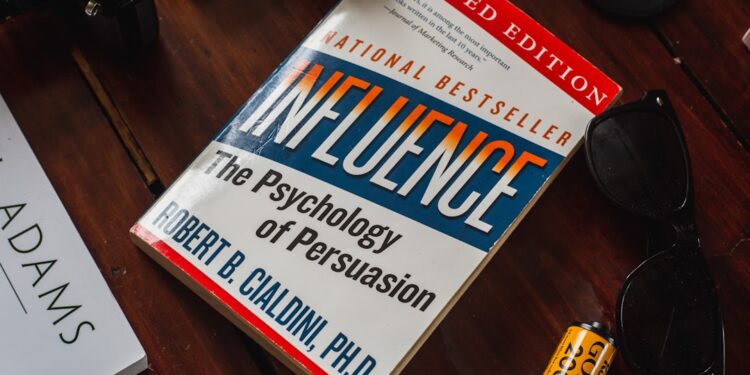
This article delves into how CEO personality traits shape organisational culture, drawing insights from recent research and industry examples.

Understanding the dynamics of organisational culture has long been a complex endeavor. Recent research sheds light on a pivotal factor: the personality of the CEO. This study reveals that the traits of a CEO significantly influence the culture within their organisation, with effects that not only strengthen over time but also vary by industry. As companies navigate the challenges of modern business, the personality of their leaders emerges as a crucial element in shaping effective and resilient organisational cultures.
At the heart of this discussion is the idea that a CEO's personality is not just a personal trait; it is a powerful tool that can either foster a positive work environment or hinder organisational effectiveness. For instance, a CEO characterized by openness and agreeableness may cultivate a culture of collaboration and innovation, while a leader with a more authoritarian style may suppress creativity and engagement. This insight is particularly relevant in an era where employee satisfaction and retention are critical to business success.
Research conducted by the Oxford Review emphasizes how CEO personality traits directly correlate with various aspects of organisational culture. According to the findings, traits such as emotional stability, extroversion, and conscientiousness contribute significantly to shaping a positive workplace environment. Companies led by emotionally stable CEOs tend to have lower employee turnover and higher job satisfaction rates. This correlation highlights the importance of aligning leadership styles with organisational goals.
Moreover, the study indicates that the impact of a CEO's personality can evolve over time. Initially, a charismatic leader may inspire enthusiasm and creativity. However, as the organisation grows, the long-term sustainability of this culture hinges on the leader's ability to adapt their style to the changing needs of the company and its employees. This adaptability is crucial, especially in industries that face rapid technological advancements and shifting market demands.
This insight is particularly relevant in an era where employee satisfaction and retention are critical to business success.
You may also like
 Entrepreneurship & Business
Smart Money Strategies Shape New Investment Landscape
The ET Alpha Wealth Summit 2.0, scheduled for October 8, 2026, will explore the evolving investment landscape shaped by geopolitical tensions and market opportunities. Key…
Read More →The implications of these findings extend beyond individual companies. They suggest a broader trend in how organisations approach leadership and talent management. As firms increasingly recognize the influence of personality on culture, there is a growing emphasis on selecting leaders whose traits align with the company's values and objectives. This is particularly evident in sectors like technology and healthcare, where innovation and collaboration are essential for success.

However, the relationship between CEO personality and organisational culture is not without its contradictions. While some argue that strong personality traits can drive success, others caution against the potential downsides of a singular leadership style. For instance, a dominant CEO may stifle dissenting voices, leading to a culture of conformity rather than innovation. This debate highlights the need for a balanced approach to leadership, where diverse perspectives are valued alongside strong direction.

Furthermore, the rise of artificial intelligence in personality assessment tools adds another layer to this discussion. Recent advancements in AI have improved the accuracy and speed of personality testing, allowing organisations to better understand the traits of their leaders and employees. According to a report by news-medical.net, AI can now analyze personality traits more effectively, providing insights that can inform leadership development and succession planning. This technological shift presents both opportunities and challenges as companies strive to leverage data-driven insights while maintaining the human element of leadership.
Looking ahead, the future of organisational culture will likely be shaped by the interplay between CEO personality, technological advancements, and evolving employee expectations. As remote work becomes more prevalent, leaders will need to cultivate a culture that fosters connection and collaboration, even in virtual environments. This challenge will require CEOs to be not only strategic thinkers but also empathetic leaders who understand the diverse needs of their workforce.