The IMD predicts below-normal rainfall this July, jeopardizing Kharif crops and raising concerns about food prices and agricultural productivity in India.
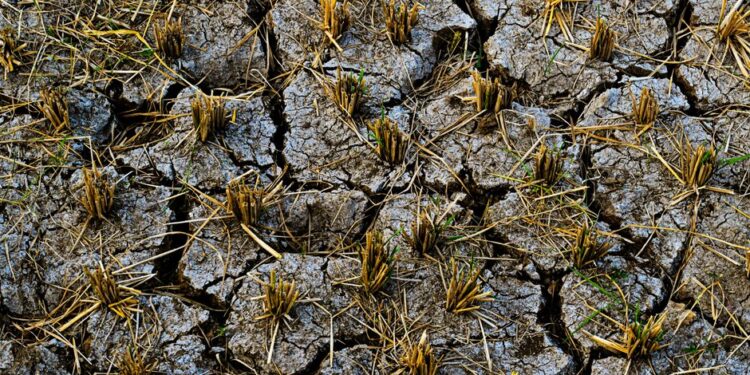
India is facing a significant challenge as the India Meteorological Department (IMD) forecasts below-normal rainfall due to a potential ‘super’ El Niño event. This situation, which began to unfold in June 2026, has already resulted in a staggering 40% deficit in rainfall, raising alarms for agricultural output across the country. The implications for food prices and supply chains are profound, particularly for agricultural economists and supply chain managers who must navigate these turbulent conditions.
The IMD’s prediction indicates that July’s rainfall will remain below normal, further jeopardizing the Kharif crops that heavily rely on monsoon rains. Union Agriculture Minister Shivraj Singh Chouhan has highlighted the urgent need for preparedness, stating that the erratic monsoon could lead to severe repercussions for rainfed agricultural regions. This warning reflects broader economic concerns tied to agricultural productivity, which is crucial for India’s economy. According to the Indian Economic Survey, the agricultural sector contributes significantly to the GDP and employs a large portion of the workforce, making its stability essential for overall economic health.
Impact of El Niño on Crop Yields
El Niño is known to disrupt weather patterns, leading to unpredictable rainfall and temperature variations. These changes can severely impact crop yields, particularly for staples like rice, wheat, and pulses. Current weather forecasts suggest a significant risk for Kharif crops, which are sown during the southwest monsoon and harvested in the autumn. With rainfall already below normal, farmers may face reduced yields, leading to food shortages and increased prices. The World Bank has noted that such climatic disruptions can exacerbate food insecurity, particularly in developing nations like India, where a large segment of the population relies on agriculture for their livelihoods.
The dependence of Indian agriculture on monsoon rains makes it particularly vulnerable to El Niño events. Historical data shows that previous El Niño occurrences have resulted in reduced agricultural output, contributing to inflationary pressures on food prices. For instance, the 2015 El Niño event led to a considerable drop in rice production, which subsequently affected prices nationwide. As agricultural economists assess the potential fallout from the current situation, they must consider these historical patterns to better forecast economic impacts. Furthermore, the National Agricultural Cooperative Marketing Federation of India has indicated that the current trends could lead to a significant increase in the prices of essential commodities, further straining household budgets.
Moreover, the potential reduction in crop yields will not only affect farmers but also have cascading effects on rural incomes and overall economic demand. As agricultural output declines, rural households may experience diminished purchasing power, leading to decreased consumption and further straining the economy. This creates a vicious cycle that could hinder recovery efforts in the agricultural sector. The Indian Ministry of Agriculture has urged farmers to adopt alternative cropping strategies to mitigate these risks, but the effectiveness of such measures remains uncertain given the unpredictability of weather patterns associated with El Niño.
The UAE's potential withdrawal of investments in the UK, following Manchester City's guilty verdict for financial breaches, could significantly impact the sports and real estate…
As agricultural economists assess the potential fallout from the current situation, they must consider these historical patterns to better forecast economic impacts.
Fluctuations in Food Prices and Economic Consequences
The anticipated decline in agricultural productivity due to El Niño will likely lead to significant fluctuations in food prices. As supply diminishes, prices are expected to rise, directly impacting consumers and exacerbating food insecurity in vulnerable populations. Research indicates that food inflation could become a pressing issue if the government does not implement timely interventions to stabilize prices. The Indian Economic Survey emphasizes that food inflation can have broader economic implications, potentially leading to increased poverty levels as families struggle to afford basic necessities.
For agricultural economists, monitoring these price changes is crucial for advising policymakers on necessary measures to protect consumers and ensure food security. Historical trends indicate that food prices can spike dramatically in response to supply shortages, as seen during the 2009 and 2015 El Niño events. These spikes can lead to social unrest, particularly in rural areas where families spend a larger portion of their income on food. The World Bank has warned that if food prices rise sharply, it could lead to increased malnutrition rates, particularly among children, further complicating public health challenges.
Additionally, the impact of rising food prices extends beyond immediate consumer costs; it can also affect broader economic stability. High inflation rates can lead to increased interest rates and reduced consumer spending, further slowing economic growth. Supply chain managers in agriculture must prepare for these changes by developing strategies to mitigate the impact of rising costs on their operations. The interconnected nature of the agricultural supply chain means that disruptions in one region can have ripple effects across the country. For instance, if a major rice-producing state suffers from drought, it can lead to shortages in neighboring regions that rely on that supply.
To counteract potential food price inflation, the government may need to intervene through price controls or subsidies for essential food items. However, such measures can have unintended consequences, including market distortions and reduced incentives for farmers to produce more. Therefore, agricultural economists must weigh the benefits and drawbacks of such policies carefully. As the situation evolves, it will be crucial for supply chain professionals to stay informed about weather patterns and agricultural forecasts. This knowledge will aid in making informed decisions and implementing contingency plans to address potential disruptions. The ability to adapt quickly will be a key factor in maintaining supply chain integrity during this challenging period.
The economic implications of El Niño’s impact on agriculture are profound, affecting not only farmers and consumers but also the overall economy. Agricultural economists and supply chain managers must work collaboratively to address these challenges and develop strategies that promote resilience and sustainability in the face of climate change. As India braces for the effects of El Niño, the agricultural sector’s response will be critical. How effectively stakeholders adapt to these changes will determine the future stability of food prices and supply chains in the coming months.
BT's decision to pause broadband services for some customers has sparked accusations of bullying, raising concerns about the impact on vulnerable populations during the transition…
As the situation evolves, it will be crucial for supply chain professionals to stay informed about weather patterns and agricultural forecasts.
Frequently Asked Questions
What crops are most vulnerable to El Niño in India?
Crops such as rice, pulses, and certain oilseeds are particularly vulnerable to El Niño’s impact due to their reliance on monsoon rains. Reduced rainfall can lead to lower yields and increased food prices.
How can supply chain managers mitigate risks from climate events?
Supply chain managers can mitigate risks by diversifying suppliers, investing in technology for better forecasting, and developing contingency plans to address potential disruptions caused by climate events.
What should agricultural economists consider when forecasting during El Niño?
Agricultural economists should consider historical data on crop yields during past El Niño events, current weather forecasts, and the potential economic impact of reduced agricultural output on food prices and rural incomes.



News
 News
News