No products in the cart.

How Geopolitics Is Disrupting Local Gas Stations in the U.S.
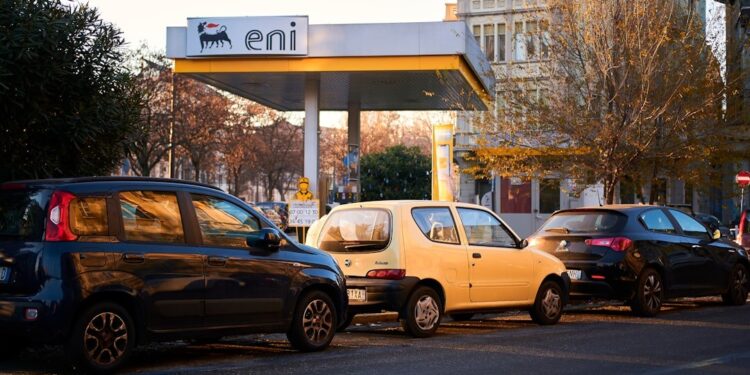
Geopolitical tensions are impacting local gas stations in the U.S., affecting prices and operations. This article explores the implications for consumers and businesses.

Local gas stations across the United States are feeling the ripple effects of geopolitical tensions. Recent sanctions imposed on Russian energy companies have disrupted supply chains, leading to increased prices and operational challenges for these family-run businesses. For consumers, this means higher fuel costs and potential shortages, making it crucial to understand how these global dynamics affect everyday life.
The situation has escalated since the U.S. government placed sanctions on Lukoil, a major Russian energy player. As reported by Knowledge at Wharton, these sanctions have strained franchise agreements and banking relationships for gas stations in states like New York, New Jersey, and Pennsylvania. This has raised concerns not only about fuel availability but also about the financial stability of local gas stations that rely heavily on these partnerships.
Moreover, the geopolitical landscape is shifting rapidly. With ongoing tensions between the U.S. and Russia, the energy market is becoming increasingly volatile. According to Boston Consulting Group, companies in various sectors, including energy, must adapt to these geopolitical realities to remain competitive. The impact of these changes is felt most acutely at the local level, where gas stations operate on thin margins and depend on stable supply chains.
How Sanctions Are Affecting Local Fuel Availability
Sanctions on Russian companies have created a ripple effect across the U.S. fuel supply chain. Local gas stations are reporting difficulties in securing fuel supplies, which has led to price hikes. As these stations navigate the complexities of reduced availability, many are forced to pass on the increased costs to consumers. This situation is particularly concerning for family-owned gas stations that lack the resources to absorb these additional expenses.
As consumers become aware of the geopolitical factors affecting their fuel prices, gas stations must work harder to communicate transparently about these issues.
According to a report from Knowledge at Wharton, franchisees are facing challenges not just in securing fuel but also in maintaining customer trust. As consumers become aware of the geopolitical factors affecting their fuel prices, gas stations must work harder to communicate transparently about these issues. This is essential for retaining customer loyalty during uncertain times.
Furthermore, the financial implications of these sanctions extend beyond fuel prices. Many gas stations rely on credit and financing from banks that are also impacted by sanctions. This creates a precarious situation where gas stations may struggle to secure necessary funding for operations and expansions. The interconnectedness of the global economy means that local businesses are directly affected by international policies.
You may also like
 Entrepreneurship & Business
Anil Agarwal’s Education Fuels ₹2 Lakh Crore Empire
Anil Agarwal's journey from Patna to leading Vedanta Group illustrates the power of practical experience in entrepreneurship, emphasizing that success can be achieved without formal…
Read More →
While consumers may feel the immediate impact of rising prices, the long-term effects could reshape the landscape of local gas stations. Some may be forced to close, while others may seek to diversify their services to adapt to changing market conditions. This could lead to fewer options for consumers and a potential decline in the quality of service as competition diminishes.
Strategies for Local Gas Stations to Navigate Challenges
In light of these geopolitical challenges, local gas stations must adopt proactive strategies to remain viable. Here are some actionable steps they can take:
- Enhance Supply Chain Resilience: Gas stations should explore alternative suppliers and diversify their fuel sources. This can reduce dependence on any single supplier and mitigate risks associated with geopolitical tensions.
- Improve Customer Communication: Transparency is key. Gas stations should keep customers informed about the reasons behind price changes and potential shortages. This builds trust and encourages customer loyalty.
- Invest in Technology: Implementing technology solutions to streamline operations can help gas stations manage costs more effectively. For example, inventory management systems can optimize fuel orders and minimize waste.
- Engage with Local Communities: Building strong relationships with the local community can foster customer loyalty. Gas stations can participate in community events and support local initiatives to enhance their reputation.
However, experts warn that this trend may not be sustainable. A recent study by Boston Consulting Group suggests that while local gas stations can adapt, the broader economic implications of geopolitical tensions could lead to long-term disruptions in the energy market. Companies must balance short-term adaptations with a focus on long-term sustainability.
For example, inventory management systems can optimize fuel orders and minimize waste.
The Future of Local Gas Stations Amid Global Tensions
The future of local gas stations in the U.S. will likely be shaped by ongoing geopolitical developments. As tensions continue to evolve, gas stations must remain agile and responsive to changes in the market. The ability to adapt to shifting supply chains and consumer expectations will be critical for survival.
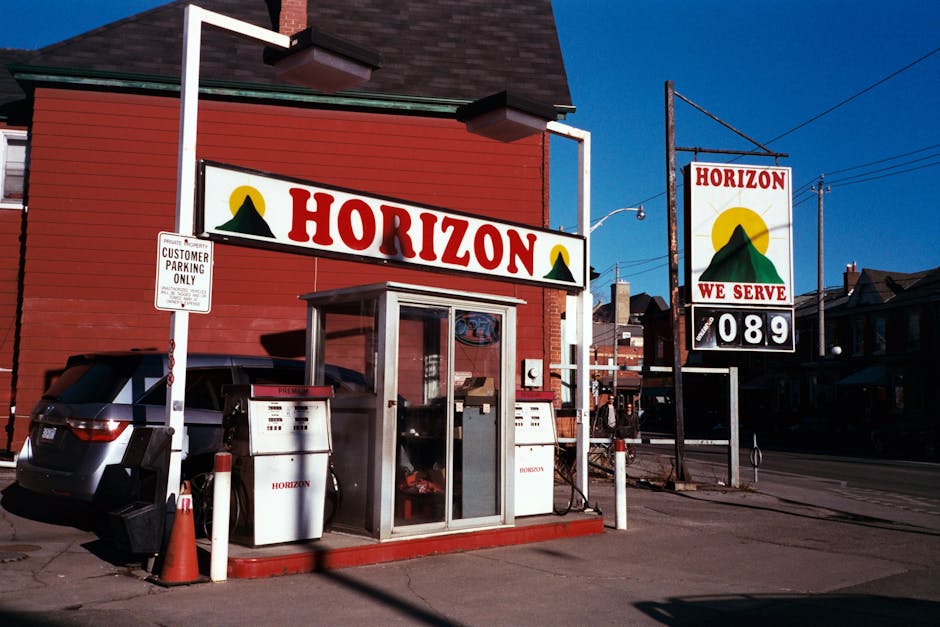
Moreover, as consumers become more aware of the factors influencing fuel prices, their purchasing behaviors may shift. This could lead to increased demand for alternative fuel options and more sustainable practices within the industry. Local gas stations that embrace these changes and invest in their operations may find new opportunities for growth.
You may also like
 Entrepreneurship & Business
Business ecosystems drive startup survival, not chance
The 2025‑26 GEM report and EY’s ecosystem barometer reveal that access to capital and talent remains the decisive bottleneck for three‑quarters of founders.
Read More →As the geopolitical landscape continues to unfold, one question remains: How will local gas stations innovate to meet the challenges posed by these global dynamics while ensuring they remain a vital resource for their communities?