No products in the cart.

AI-Powered Virtual Fitting App Launches Next Month

PointAI's My Wardrobe aims to revolutionize online shopping by creating a digital twin of users from selfies, allowing them to visualize how garments fit and drape on their body types.

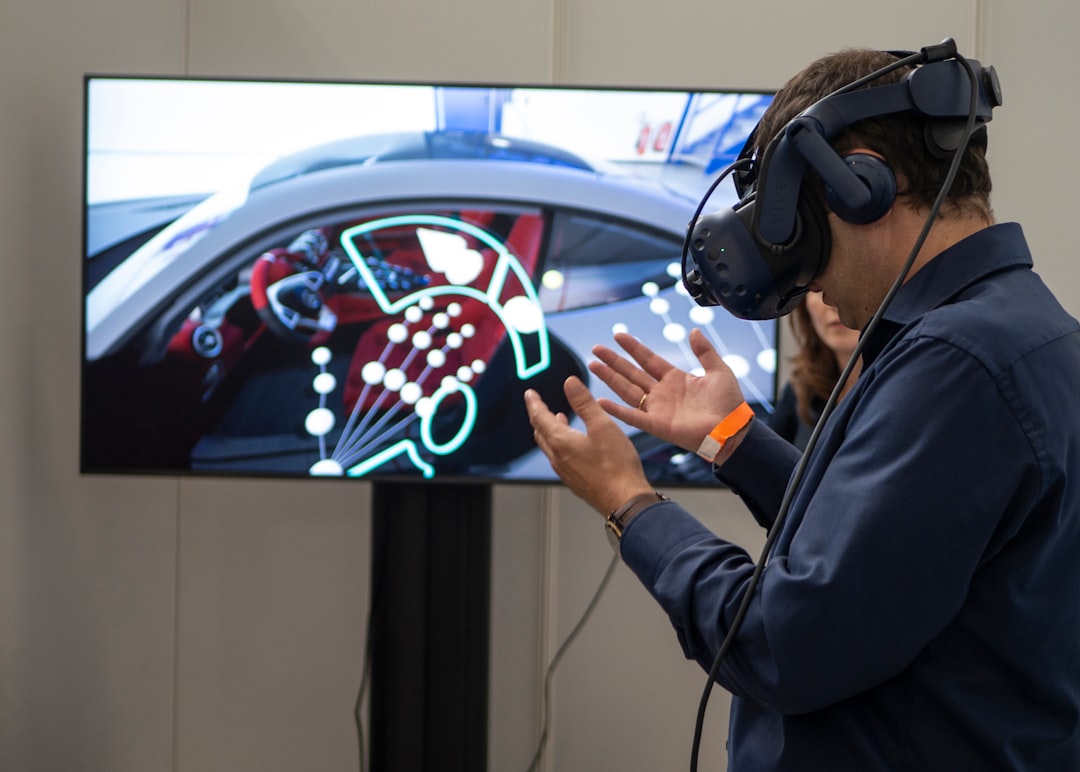
Noida, India — PointAI, a deep tech startup, has launched its AI-powered virtual clothes try-on app called My Wardrobe. It will debut in August 2026. This innovative app was showcased at the recent Bharat Tex 2026 event. At this event, the company also introduced an AI-powered virtual trial standee. This standee allows shoppers to digitally try on clothes before they buy.
My Wardrobe aims to improve online shopping. It creates a digital twin of users from selfies. This lets users see how clothes fit and drape on their body types. The technology promises photorealistic previews of clothing. This can greatly enhance customer engagement and satisfaction. In a market where personalization is key, the app’s ability to reflect individual body shapes and sizes could change the game. This is especially true for consumers who struggle with fit when shopping online.
Transforming Online Shopping with AI Technology
PointAI’s My Wardrobe uses a proprietary Simulation AI engine. This engine is different from traditional generative AI models. Instead of using probabilistic image generation, it uses physics-based rendering for accurate clothing previews. This method improves visual quality and ensures predictable costs and strong data privacy. Experts believe this technology could significantly reduce return rates, a common issue in online fashion retail.
As demand for innovative solutions rises, developers skilled in machine learning and user experience design will be in high demand.
The app can generate realistic images in under a second. This positions it as a game-changer in the fashion tech industry. PointAI claims this technology helps shoppers make informed purchasing decisions. This could lead to fewer returns, a major issue for e-commerce platforms. By integrating advanced technology into mobile apps, fashion brands can offer a seamless shopping experience. This caters to the growing demand for personalized solutions, especially among younger consumers who value convenience and engagement.
You may also like
 AI & Technology
ByteDance Targets Mega AI Model to Compete with Mythos Scale
ByteDance is developing a mega AI model with 10 trillion parameters, aiming to compete with industry leaders like Anthropic and OpenAI. This initiative reflects a…
Read More →Moreover, the app’s launch fits into the broader trend of digitization in retail. Recent AI governance guidelines from the Indian government support safe AI adoption across sectors, including fashion e-commerce (Digital India, 2026). As demand for innovative solutions rises, developers skilled in machine learning and user experience design will be in high demand. This presents a unique opportunity for startups and app developers to innovate.
PointAI’s app is not just a standalone product; it marks a significant step in AI technology integration within mobile applications. As fashion retailers adopt these innovations, they can expect increased user engagement. This leads to higher conversion rates and improved customer loyalty. The potential for this technology to reshape online shopping is vast. It enhances customer experience and provides brands with valuable insights into consumer preferences.
Market Implications and Future Prospects
The launch of My Wardrobe comes as the fashion e-commerce market rapidly evolves. The global online clothing market is projected to reach $1 trillion by 2027. The demand for innovative solutions like PointAI’s app is crucial. The ability to virtually try on clothes can greatly improve the online shopping experience, making it more interactive and personalized. Experts note that AI integration in fashion e-commerce is not just a trend but a necessity for brands to stay competitive.
The success of these innovations will depend on effective marketing strategies and user adoption rates.
You may also like
 AI & Technology
Tech Industry Transformed by Cross-Industry Partnerships
We have already witnessed a wave of joint ventures that blur the once‑clear line between “tech” and “non‑tech”: a leading cloud provider now powers ...
Read More →PointAI’s technology is already being integrated into major e-commerce platforms like Amazon and Flipkart. This indicates its potential impact on the industry. By allowing customers to visualize how clothing will look on them, retailers can reduce the uncertainty that leads to abandoned shopping carts. This capability is vital as online shopping continues to grow. Consumers increasingly seek brands that offer enhanced digital experiences.
Additionally, the app’s insights can help fashion brands tailor their offerings based on user preferences and behaviors. This data-driven approach fosters a more personalized shopping experience. It also aids brands in managing inventory and forecasting trends. However, challenges remain. The fashion industry is highly competitive. The success of these innovations will depend on effective marketing strategies and user adoption rates. Brands must also address potential privacy concerns related to using personal data for creating digital twins.

As the fashion tech landscape evolves, AI technologies will likely become standard among consumers. Offering virtual try-on experiences will help brands stand out in a crowded market. It will also enhance overall customer satisfaction. Looking ahead, PointAI’s launch of My Wardrobe could set a new standard in fashion e-commerce. As more companies explore AI-driven solutions, the industry may shift toward more immersive and engaging online shopping experiences. This could reshape how consumers interact with fashion brands.
Frequently Asked Questions
What features should a virtual try-on app include to attract users?
A successful virtual try-on app should have a user-friendly interface and high-quality photorealistic previews. It should also create a digital twin from selfies. Features like social sharing options and personalized recommendations can boost user engagement.
A successful virtual try-on app should have a user-friendly interface and high-quality photorealistic previews.
How can mobile app developers leverage AI in fashion applications?
Mobile app developers can use AI by adding features like virtual try-ons and personalized shopping experiences. Data analytics for user behavior can help fashion brands understand their customers better and improve their offerings.
What marketing strategies can e-commerce brands adopt for AI-driven technologies?
You may also like
 AI & Technology
Sequoia Capital's $10 Billion Plan for the AI Economy
Sequoia Capital's $10 billion investment plan aims to reshape the AI economy by supporting startups and creating jobs across various sectors, reflecting a growing confidence…
Read More →E-commerce brands can use targeted advertising, influencer collaborations, and content marketing to promote their AI-driven technologies. Highlighting the unique benefits of AI features can attract tech-savvy consumers seeking enhanced shopping experiences.