No products in the cart.

How Parents Can Control Tech Distractions for Kids

In an era where technology is integral to education, parents face challenges in keeping children focused during homework. Effective strategies, including parental controls and tech-free zones, can enhance learning outcomes.

Parents today face challenges managing distractions from technology during homework time. Tablets and laptops are essential for education, but they can also be distracting. Many children struggle to concentrate when their devices are filled with games and social media. Recent insights reveal strategies that parents can use to help their children focus.
Research shows that children often find it hard to balance schoolwork with technology’s allure. A report from yourvalley.net states that schools are giving students devices that can lead to distractions. Parents need to know how to manage these distractions effectively.
Implementing Parental Controls Effectively
One way parents can reduce distractions is by using parental controls. Many devices have built-in features that let parents restrict access to certain apps or set time limits. For example, Apple and Android devices allow parents to manage screen time and limit access to distracting applications.
Parents can use these tools to create a focused study environment. By blocking games or social media during homework hours, parents can help their children concentrate. According to ctinsider.com, setting up these controls is easy and can greatly improve a child’s focus.
It’s also important for parents to talk to their children about these restrictions. Explaining the reasons behind these controls can help children understand and cooperate. This conversation can teach kids self-regulation skills, which are vital for their academic success and future careers.
Parental controls should be part of a broader strategy. Parents can combine technology restrictions with other methods, like creating a structured homework schedule. This holistic approach can lead to better outcomes for students.
Parents can combine technology restrictions with other methods, like creating a structured homework schedule.
Career Ahead’s analysis shows that consistent use of parental controls, along with open communication, can improve focus and academic performance. When children understand why these restrictions exist, they are more likely to follow them.
Establishing Tech-Free Study Zones
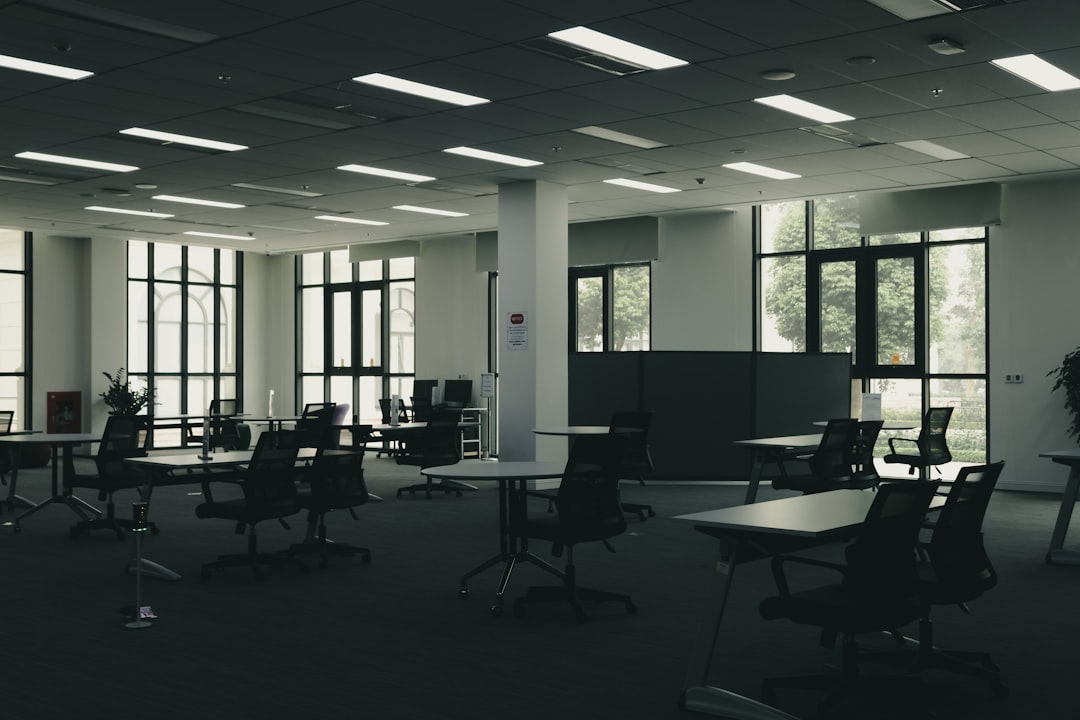
Another effective strategy is to create tech-free zones at home. Designating specific areas for studying that are free from distractions can help children concentrate better. These zones should have all necessary supplies, like books and stationery, but no electronic devices.
Involving children in creating these spaces can increase their commitment to using them. Parents might ask their children what they need in a study space to help them focus. This could include lighting, seating, and even background music or silence.
According to intouchmag.com, having a dedicated study area signals to children that it’s time to focus. This separation from their devices can reduce the temptation to check notifications or browse the internet.
Additionally, parents should encourage regular breaks during study sessions. Techniques like the Pomodoro Technique, which involves working for a set time followed by a short break, can boost productivity and focus. This method helps maintain attention and prevents burnout.
By setting specific times for educational use of devices, parents can show children that technology can be a learning tool, not just a distraction.
Creating tech-free zones is about more than just removing distractions; it fosters a mindset geared toward learning. When children associate certain spaces with studying, they are more likely to engage with their work productively.
Creating a Balanced Screen Time Schedule
Managing screen time is crucial in today’s digital age. Parents should create a balanced schedule that includes both educational screen time and non-screen activities. This balance helps children develop healthy technology habits.
Career Ahead’s research finds that children who have structured screen time can focus better on academic tasks. By setting specific times for educational use of devices, parents can show children that technology can be a learning tool, not just a distraction.
Moreover, parents should model healthy screen habits. Children often mimic their parents, so demonstrating responsible technology use reinforces the importance of balance. Involving children in discussions about their screen time can empower them to make better choices.
Parents can also monitor their children’s screen time with apps designed for this purpose. These applications provide insights into usage patterns and help families make informed decisions about technology use.
Ultimately, fostering a balanced approach to screen time aids academic focus and promotes overall well-being. As children learn to manage their technology use, they develop skills that will benefit them throughout their lives.
The ongoing discussion about technology’s role in education will shape future strategies for managing distractions.
As schools continue to integrate technology into learning, the challenge of staying focused amid distractions will remain. Parents and educators must adapt, finding new ways to support students in their academic journeys. The ongoing discussion about technology’s role in education will shape future strategies for managing distractions.
Frequently Asked Questions
What are effective parental controls for children’s tablets?
Parents can use built-in features on devices to restrict access to certain apps and set time limits. For example, Apple devices have screen time management options, while Android users can utilize Family Link for monitoring.
How can educators help students manage technology distractions?
Educators can work with parents to set guidelines for technology use in the classroom. This partnership can help students develop self-regulation skills and create a consistent approach to managing distractions.

What should parents do to create a distraction-free study environment?
Parents should create designated tech-free zones for studying, ensuring these spaces have necessary supplies. Establishing a structured homework schedule can also enhance focus and productivity.
Written by Career Ahead AI. AI can make mistakes, so verify key facts. Report errors to support@careeraheadonline.com.