No products in the cart.

How PrismML Enhances Smart Glasses with Tiny LLMs

PrismML's integration of tiny LLMs into Qualcomm-powered smart glasses marks a significant advancement in wearable AI technology, enabling on-device processing that enhances user experience and privacy.

PrismML has launched its tiny language models (LLMs) for use in smart glasses powered by Qualcomm’s Snapdragon chips. This announcement came during Qualcomm’s Snapdragon Summit on September 24, 2026. The integration of these models marks a significant step forward in the capabilities of wearable technology, allowing for real-time interaction and enhanced functionality.
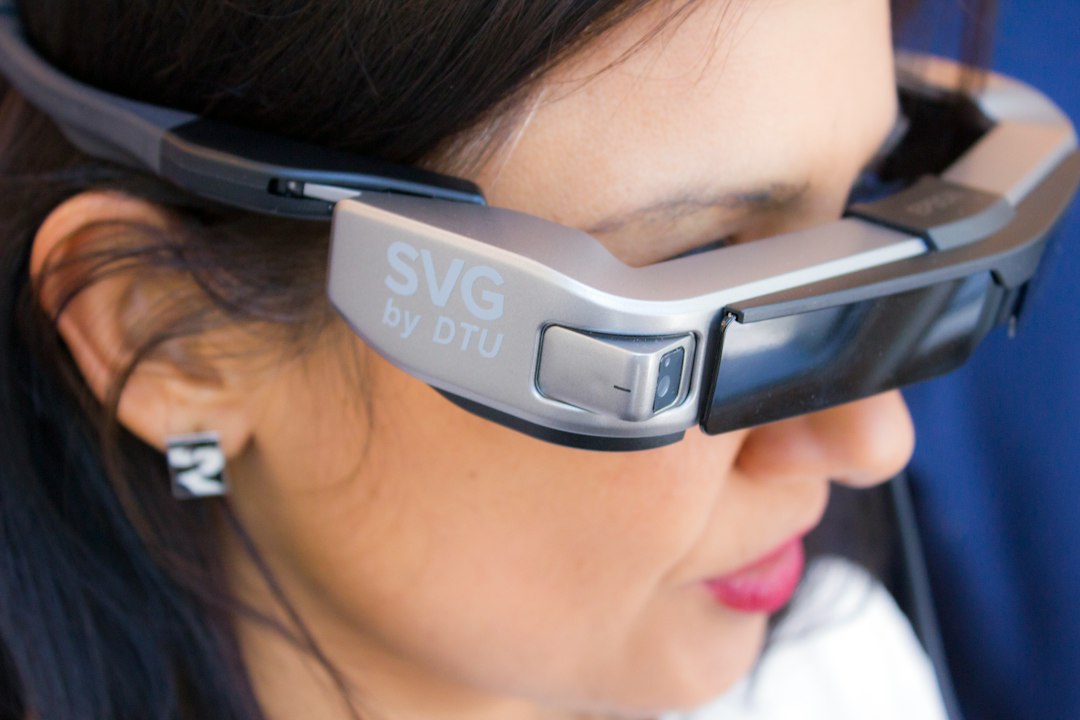
The 1-bit Bonsai LLM developed by PrismML is designed to run locally on devices, providing a more efficient alternative to cloud-based AI processing. This model can be executed on smart glasses built on the Snapdragon AR1 Gen 1 platform, and it retains nearly all performance benchmarks while being four times smaller than its larger counterparts. The ability to process data on-device not only improves speed but also enhances user privacy.
Impacts of Tiny LLMs on Wearable AI Applications
Tiny LLMs like the 1-bit Bonsai are reshaping the landscape of wearable AI applications. By enabling smart glasses to understand and respond to visual inputs in real-time, these models open up a range of practical applications across various industries. For instance, in healthcare, professionals can use smart glasses to receive instant information about patients, enhancing decision-making during critical moments.
In the retail sector, sales associates equipped with smart glasses can access product information and customer data on-the-fly, improving customer service and sales efficiency. Additionally, in education, students can engage with interactive learning materials, as the glasses can provide contextual information based on what they are observing. This shift towards on-device processing signifies a move away from reliance on external servers, which can introduce latency and privacy concerns.
Career Ahead’s analysis finds that this trend towards integrating tiny LLMs into wearables will accelerate demand for skills in AI model optimization and hardware integration. As smart glasses become more commonplace, AI researchers and hardware engineers will need to collaborate closely to ensure seamless functionality and performance. This collaboration will be crucial in developing applications that leverage AI effectively while maintaining user privacy.
Moreover, the trend towards local AI processing aligns with broader concerns regarding data security and privacy. By processing information on-device, users can enjoy a more secure experience, as less personal data is transmitted over the internet. This shift could lead to increased consumer trust in wearable technology, potentially boosting adoption rates.
Career Ahead’s analysis finds that this trend towards integrating tiny LLMs into wearables will accelerate demand for skills in AI model optimization and hardware integration.
As smart glasses evolve, the implications for AI researchers in NLP and hardware engineers are significant. The integration of tiny LLMs will require new methodologies for training and refining models to work efficiently within the constraints of wearable devices. Engineers will also need to focus on optimizing hardware to support these advanced AI capabilities, ensuring that devices remain lightweight and user-friendly.
Advancements in Qualcomm Hardware for AI Processing
Qualcomm’s Snapdragon AR1 Gen 1 platform is at the forefront of facilitating advanced AI processing in wearable devices. The platform is designed to support sophisticated AI applications, making it an ideal foundation for integrating PrismML’s tiny LLMs. This hardware advancement allows for more powerful computing capabilities within a compact form factor, crucial for smart glasses.
With the Snapdragon AR1, wearables can handle complex AI tasks that were previously limited to more powerful computing environments. This capability not only enhances the functionality of smart glasses but also paves the way for future innovations in wearable technology. As AI applications become more integrated into daily life, the demand for powerful yet efficient hardware will continue to grow.
PrismML’s focus on developing models that can operate efficiently on Qualcomm’s hardware is a strategic move that highlights the importance of collaboration between AI researchers and hardware developers. By optimizing models specifically for the Snapdragon platform, PrismML is ensuring that its technology can deliver the best possible performance in real-world applications.
Furthermore, this collaboration can lead to the development of new features and functionalities that enhance user experience. As hardware capabilities expand, the potential applications of smart glasses will also grow, creating new opportunities for innovation in various sectors.
As these applications become more mainstream, the demand for skilled professionals in AI and hardware engineering will increase.
In summary, the advancements in Qualcomm’s hardware, combined with the integration of tiny LLMs, represent a significant leap forward for wearable AI technology. As these devices become more capable, they will likely play an increasingly prominent role in both personal and professional settings.
The potential use cases for smart glasses equipped with tiny LLMs are vast and varied. Industries such as healthcare, retail, and education stand to benefit significantly from this technology. As these applications become more mainstream, the demand for skilled professionals in AI and hardware engineering will increase.
In healthcare, for instance, smart glasses could assist surgeons by providing real-time data during procedures, allowing for better outcomes. In retail, they could enhance the shopping experience by providing customers with instant information about products and services. In education, interactive learning experiences could be revolutionized through augmented reality features enabled by these advanced AI models.
Career Ahead’s analysis highlights that the integration of AI into wearables is not just a technological advancement; it signifies a shift in how industries operate. As AI becomes more embedded in everyday tools, professionals will need to adapt to these changes quickly. The skills required for success in this evolving landscape will be critical for job seekers and workers in the AI and hardware engineering sectors.
Looking ahead, the landscape of wearable technology is set to evolve rapidly. As more companies explore the integration of AI into their products, the competition will intensify. This could lead to a race for innovation, with early adopters gaining significant market advantages. The question remains: how will industries adapt to these advancements, and what new applications will emerge in the coming years?
This allows for real-time processing and enhances the capabilities of applications in various fields, including healthcare and education.
Frequently Asked Questions
What are the benefits of tiny LLMs for AI researchers?
Tiny LLMs offer AI researchers a way to deploy advanced language models in resource-constrained environments. This allows for real-time processing and enhances the capabilities of applications in various fields, including healthcare and education.
How can hardware engineers leverage AI in wearables?
Hardware engineers can focus on optimizing devices to support advanced AI functionalities. This includes refining hardware specifications to accommodate local AI processing, ensuring that wearables remain efficient and user-friendly.

What should AI researchers in NLP do about advancements in smart glasses technology?
AI researchers should explore how to adapt existing models for use in wearable technology. This may involve developing new training methodologies and collaborating with hardware engineers to optimize performance on specific platforms.
Written by Career Ahead AI. AI can make mistakes, so verify key facts. Report errors to support@careeraheadonline.com.