No products in the cart.

How Remote Work Is Redefining Global Careers Without Relocation in 2025
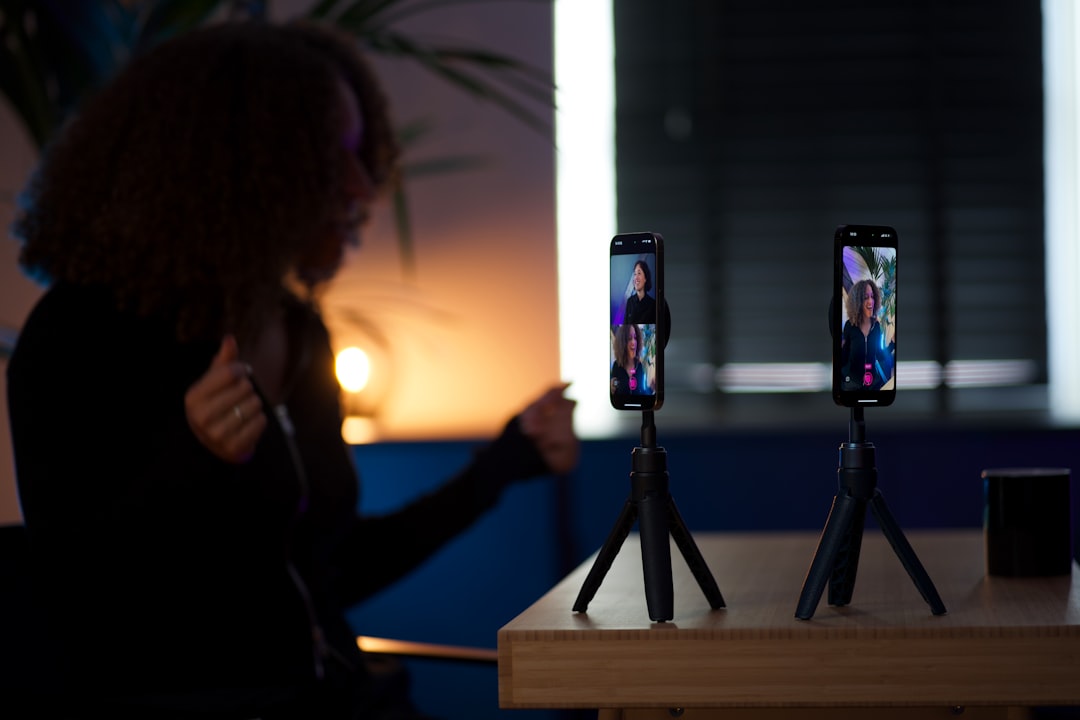
In 2025, remote work transcends borders, allowing professionals worldwide to build international careers without moving abroad. This analysis explores the rise of cross-border hiring, evolving youth mobility, and implications for businesses and educators.

New York City, USA — In 2025, professionals are crafting global careers without ever leaving their home countries. Cross-border remote work has surged, fueled by corporate demand and shifting worker priorities. According to a 2025 report from the International Labour Organization, nearly 40% of multinational companies now regularly hire remote talent internationally without requiring relocation[1]. This trend is reshaping career trajectories, education models, and talent strategies worldwide. The ability to collaborate across time zones and cultures, without uprooting families or navigating complex visa regimes, is democratizing access to international opportunities in unprecedented ways.
A New Era of Remote Global Careers
Remote work, once a necessity during the COVID-19 pandemic, has matured into a strategic business practice. McKinsey’s 2025 Global Workforce Report found that 57% of companies view cross-border remote hiring as critical to accessing specialized skills and reducing costs[2]. This shift has accelerated since 2020, when lockdowns forced companies to reconsider traditional office-bound models. For workers, especially young professionals, the ability to work for a company headquartered halfway across the world without ever relocating has become a powerful career lever. A 2025 Eurostat survey found that 35% of EU workers aged 18-34 have held at least one remote international role, up from 12% in 2020[3]. This has major implications for talent mobility and global competition for skills.

 Innovation
The Neuroscience and Workplace Impact of Awe: Unlocking Wonder for Leadership and Wellbeing
Awe, long revered in culture and spirituality, is now recognized by science for its powerful effects on the brain and…
Read More →A New Era of Remote Global Careers Remote work, once a necessity during the COVID-19 pandemic, has matured into a strategic business practice.
Context: The Evolution of Remote Work and Youth Mobility
Before 2020, cross-border remote work was a niche. Visa restrictions, tax complexities, and cultural barriers limited its scale. The pandemic forced rapid adaptation, catalyzing investments in digital infrastructure and remote work policies. Companies like GitLab, Spotify, and Shopify pioneered fully distributed teams, proving the model’s viability. Meanwhile, youth mobility experienced a paradoxical dynamic. While international student exchange and migration slowed during the pandemic, digital connectivity surged. young professionals leveraged remote roles to gain international experience without physical moves. This trend challenges traditional assumptions about career development through geographic mobility.
In 2025, the global talent pool is more accessible than ever. Companies in tech hubs like San Francisco, London, and Bangalore compete for talent in cities from Lagos to Buenos Aires, all without requiring physical relocation. This creates new opportunities but also raises questions about labor laws, taxation, and equitable pay.
Opportunities and Challenges for Talent and Employers
For employees, remote cross-border roles offer flexibility and access to high-paying jobs without the upheaval of international moves. This is especially significant in countries with high youth unemployment or limited local opportunities. The World Economic Forum estimates that remote work could add $10 trillion to the global economy by 2030 by unlocking untapped talent pools[4]. Employers gain access to diverse skills and perspectives, enhancing innovation and resilience. However, they face hurdles in managing compliance with labor laws across jurisdictions and ensuring equitable compensation. For example, some companies adopt location-adjusted pay scales, which can spark debate over fairness and living standards. Educational institutions are also adapting. Universities and training providers are increasingly offering digital credentials and remote internship programs designed to prepare students for global, location-independent careers.

 Future of Work
How Productivity Tips and Workplace Efficiency Tools Are Shaping Careers in 2025
In 2025, productivity tips and efficiency tools are transforming careers worldwide, with a focus on innovations from India and the…
Read More →Policy and Regulatory Landscape
Governments are scrambling to catch up. Tax authorities worldwide grapple with how to tax income earned remotely across borders. The Organisation for Economic Co-operation and Development (OECD) is spearheading efforts to establish international frameworks for remote work taxation and social security.[5]
Visa policies are also evolving. Some countries, including Portugal and Singapore, have introduced digital nomad visas, allowing remote workers to reside temporarily. Yet these do not address the growing cohort who work cross-border without physical relocation. This regulatory gap creates uncertainty for both workers and companies.
Looking Ahead: The Future of Work Without Borders
The trajectory suggests remote global careers will expand in scope and complexity. Hybrid models blending occasional travel with remote work may become the norm, balancing cultural integration with flexibility. Firms investing in digital collaboration tools and cross-cultural training will gain competitive advantages. For career seekers, mastering digital communication, cultural agility, and asynchronous teamwork will be essential. Educational curricula must evolve to embed these competencies alongside technical skills. Policymakers will need to foster international cooperation to harmonize regulations that protect workers while encouraging innovation. Ultimately, the ability to build a career abroad without leaving one’s country is transforming how talent flows, how companies access skills, and how individuals envision their professional futures. This shift demands new strategies from all stakeholders to harness its full potential.