No products in the cart.

Sri Lanka Eases Travel Restrictions for Indian Tourists
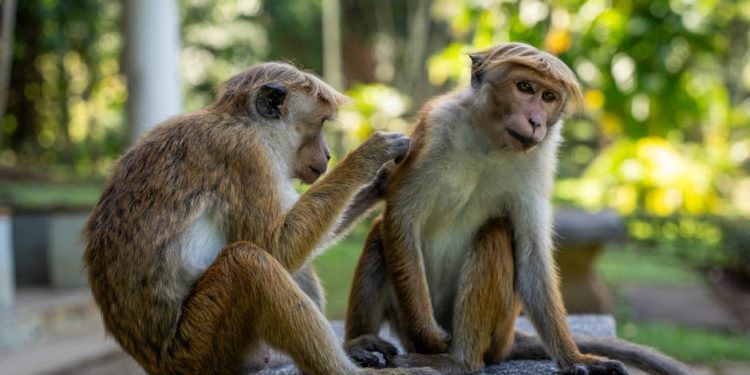
Sri Lanka has eliminated the ETA requirement for Indian tourists, enhancing travel ease and targeting spiritual tourism to boost visitor numbers.

Colombo, Sri Lanka — In a bid to bolster its tourism sector, Sri Lanka has announced the removal of the Electronic Travel Authorization (ETA) requirement for indian visitors, effective November 1, 2025. This significant policy shift aims to attract more tourists from India, a key market for the island nation, which has historically relied on its proximity to India for tourism revenue.
The decision to simplify travel for Indian tourists comes at a crucial time. Following challenges/” class=”ca-internal-link”>challenges-and-solutions/” class=”ca-internal-link”>challenges posed by the COVID-19 pandemic, which severely impacted global travel, Sri Lanka is striving to rejuvenate its economy, particularly the tourism sector, which accounts for approximately 12% of the country’s GDP. With India being one of the largest sources of tourists to Sri Lanka, this change is expected to significantly increase visitor numbers.
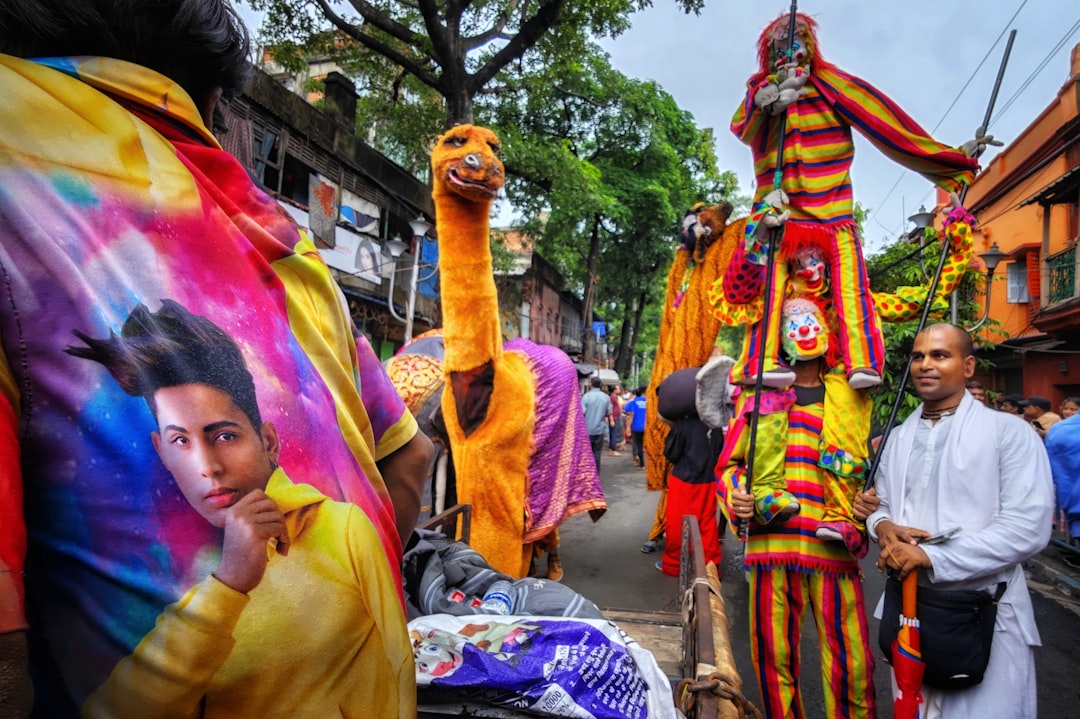
The Indian tourist market is vital for Sri Lanka, with over 400,000 visitors arriving from India in 2019 alone, before the pandemic disrupted travel. The elimination of the ETA requirement is expected to simplify the entry process, making it easier for Indian tourists to visit Sri Lanka for both leisure and religious purposes. The Sri Lankan government is strategically focusing on promoting spiritual tourism, capitalizing on its rich cultural and religious heritage.
In addition to the removal of the ETA, Sri Lanka is also enhancing its marketing campaigns to better showcase its spiritual sites, such as the ancient city of Anuradhapura and the sacred Temple of the Tooth in Kandy. These initiatives aim to attract not only tourists seeking relaxation but also those looking for spiritual and cultural experiences.
According to the Sri Lanka Tourism development Authority, the country aims to attract 2 million tourists in 2025, with a substantial portion of that target expected to come from India.
According to the Sri Lanka Tourism development Authority, the country aims to attract 2 million tourists in 2025, with a substantial portion of that target expected to come from India. The simplification of travel procedures is seen as a key strategy in achieving this goal, particularly as competition in the region intensifies from destinations like Thailand and Indonesia, which are also vying for the Indian tourist market.
You may also like
 Government & Policy
MSMEs Demand Action on Rising Steel and Metal Prices
Rising material costs have been a persistent issue for MSMEs, which are already grappling with higher prices for diesel, furnace oil, and LPG.
Read More →Industry experts note that making travel easier for Indian tourists could lead to a significant uptick in arrivals. “The removal of the ETA is a welcome move. It reflects Sri Lanka’s commitment to reviving tourism and recognizing the importance of Indian travelers to its economy,” said Rohan Perera, a tourism consultant based in Colombo. He emphasized that the ease of travel could facilitate not just vacations but also foster business ties between the two countries.
However, the effectiveness of this policy change will depend on broader factors, including regional stability and the global economic climate. The ongoing effects of inflation and fluctuating currency values may impact travel patterns, making it essential for Sri Lanka to remain competitive in pricing and offerings.
Moreover, while the removal of the ETA simplifies travel, the Sri Lankan government must ensure that infrastructure can handle a potential surge in tourists. This includes enhancing transportation options, improving accommodation quality, and maintaining hygiene and safety standards to reassure travelers in the post-pandemic era.
As Sri Lanka embarks on this new chapter in its tourism strategy, the focus on Indian tourists could lead to a revitalization of its economic landscape. By prioritizing spiritual tourism and easing travel restrictions, Sri Lanka is not just inviting visitors to its shores but also aiming to reinforce cultural connections that have existed for centuries.
He emphasized that the ease of travel could facilitate not just vacations but also foster business ties between the two countries.
Looking ahead, the success of this initiative will hinge on effective marketing and the ability to deliver a memorable experience for tourists. As the global tourism industry continues to recover, Sri Lanka stands at a crucial crossroads. The decisions made today will shape its ability to attract the next generation of travelers, ensuring that it remains a favored destination in South Asia.
You may also like
 Government & Policy
SEBI Alerts Investors on Anonymous Tips, Finfluencers
Project Jagrook aims to combat the influence of anonymous financial advisors and so-called "finfluencers," who often provide misleading advice to unsuspecting retail investors.
Read More →