No products in the cart.

How the Russia-Ukraine War is Transforming Energy Investments
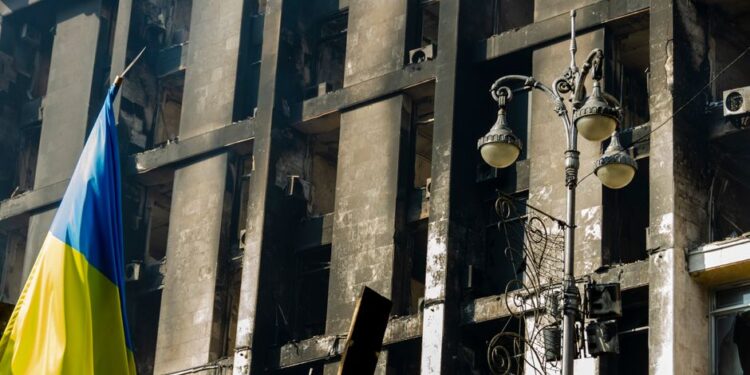
The Russia-Ukraine war continues to reshape global energy markets, driving price volatility and altering investment strategies. Economists and financial analysts must adapt to these changes to navigate the evolving landscape effectively.

Global energy markets are changing due to the ongoing Russia-Ukraine war. This conflict has disrupted supply chains and increased energy price volatility. Nations are imposing sanctions and seeking new energy sources, which has major implications for economists and financial analysts.
This war is not just a regional issue; it has become a global economic conflict affecting energy prices everywhere. As countries rethink their energy dependencies, investment strategies in the energy sector are shifting dramatically.
Impact on Global Energy Prices
The Russia-Ukraine war has caused unprecedented changes in global energy prices. After the conflict began, crude oil prices surged to levels not seen since 2008. Brent crude reached about $120 per barrel earlier this year. Career Ahead’s analysis shows that these price increases are mainly due to reduced supply from Russia, a key oil exporter.
Natural gas prices have also seen significant spikes. Europe relies heavily on Russian gas, and the conflict has forced many countries to find alternative suppliers. This has driven up demand and prices in the short term. The Centre for Economic Strategy reports that Ukraine’s economy, which depends on energy exports, is facing severe challenges due to the war, complicating energy market dynamics.
As a result, financial analysts must re-evaluate their forecasts and investment strategies. The volatility in energy prices requires a more flexible approach to market analysis. Traditional models may not work in this rapidly changing environment. This situation presents both challenges and opportunities for those in the energy sector.
Career Ahead research indicates that price volatility from geopolitical tensions is likely to continue in the medium term. Analysts must stay alert and adaptable to navigate these uncertainties effectively.
Analysts must stay alert and adaptable to navigate these uncertainties effectively.
Shifts in Investment Strategies for Commodities
Due to the ongoing war, investment strategies in commodities are changing significantly. Investors are looking to diversify their portfolios away from traditional energy sources. This helps mitigate risks from geopolitical tensions. The conflict has shown the dangers of relying on a single energy source, prompting a shift towards renewable energy investments.
As nations aim to reduce their carbon footprints, there is a growing trend toward investing in renewable energy projects. According to FocusEconomics, demand for green energy solutions is expected to rise as countries seek to become less dependent on fossil fuels. This shift responds to the war and aligns with global efforts to combat climate change.
Financial analysts must adjust to this new landscape by including renewable energy trends in their evaluations. This requires understanding emerging technologies and market dynamics around renewable energy investments. As governments support green initiatives, investment opportunities in this sector are likely to grow.
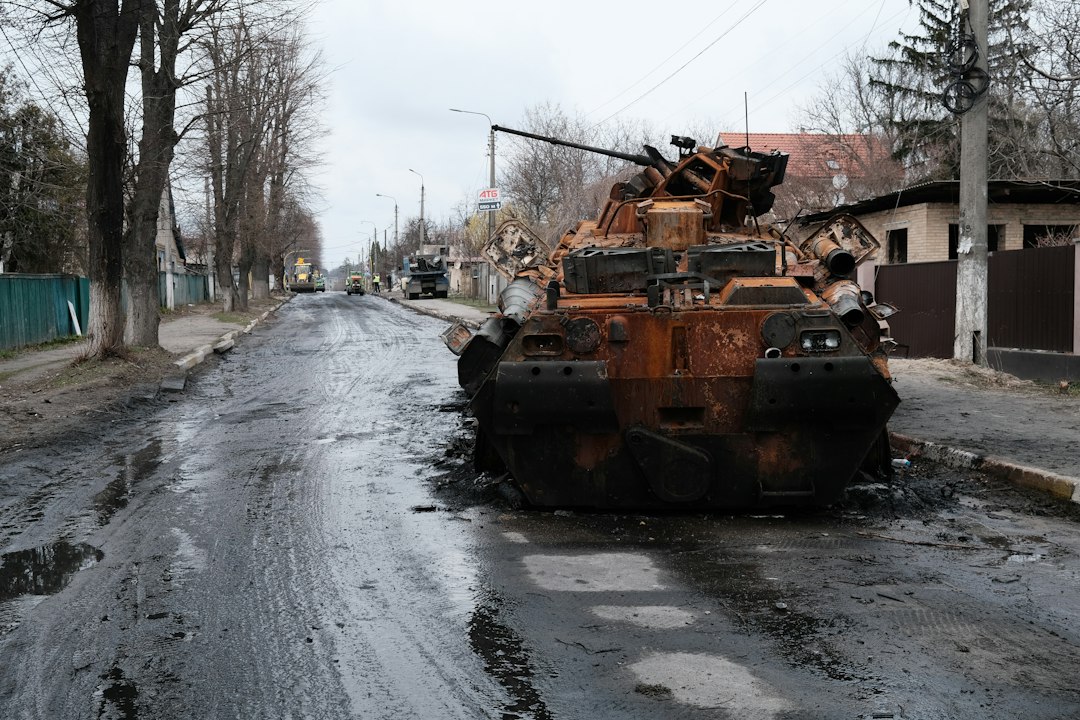
Additionally, the economic sanctions on Russia have led to a reevaluation of energy partnerships worldwide. Countries are now more inclined to invest in domestic energy production and alternative suppliers. Career Ahead’s analysis suggests this trend will continue as nations prioritize energy security in their planning.
The uncertainty around supply chains and energy availability requires a reevaluation of risk management strategies.
Economic Sanctions and Market Stability
The economic sanctions on Russia have major implications for market stability in the energy sector. These sanctions target Russian oil and gas exports and affect global supply chains. The OECD highlights that the ripple effects of these sanctions lead to increased prices and supply shortages across various sectors.
As countries deal with these sanctions, financial analysts face the challenge of assessing their long-term impacts on market stability. The uncertainty around supply chains and energy availability requires a reevaluation of risk management strategies. Analysts must consider the potential for further escalation of the conflict, which could worsen existing market vulnerabilities.
Moreover, the sanctions have sparked discussions about energy independence and self-sufficiency. Countries are exploring ways to enhance their energy security by investing in local production and alternative sources. This shift may reshape the global energy landscape, affecting pricing and investment strategies.
Career Ahead’s analysis finds that the long-term effects of these sanctions may lead to a more fragmented energy market. Countries that adapt successfully to these changes may become leaders in the new energy landscape. Those that do not adapt may face significant economic challenges.
This evolving situation shows the need for economists and financial analysts to stay vigilant and adaptable. Assessing geopolitical risks and their effects on energy markets will be crucial in the coming years.
As the conflict continues, the question remains: how will global energy markets adapt to these ongoing geopolitical tensions? What new strategies will emerge in response to the challenges posed by the Russia-Ukraine war?
Analysts must consider geopolitical risks and their potential impact on supply chains and market stability.
Frequently Asked Questions
What are the economic implications of the Russia-Ukraine war for energy analysts?
The Russia-Ukraine war has increased volatility in energy prices. This requires energy analysts to adjust their forecasts and investment strategies. Analysts must consider geopolitical risks and their potential impact on supply chains and market stability.
How should financial analysts adjust their strategies in response to the ongoing conflict?
Financial analysts should include renewable energy trends and geopolitical risk assessments in their evaluations. This involves understanding emerging technologies and adapting to shifts in investment flows due to the conflict.
What skills are necessary for economists to analyze the impacts of geopolitical conflicts on markets?
Economists need strong analytical skills to assess market dynamics and geopolitical risks. Familiarity with energy markets, economic modeling, and the ability to adapt to rapid changes in the global landscape are essential skills in this context.
Written by Career Ahead AI. AI can make mistakes, so verify key facts. Report errors to support@careeraheadonline.com.