No products in the cart.

How U.S. Treasury Buybacks Will Affect Bond Market

The U.S. Treasury's recent announcement about increasing debt buybacks aims to lower interest rates. This move could reshape borrowing costs and influence investment strategies for bond market investors and financial analysts alike.

The U.S. Treasury Department has announced plans to increase its buyback of government debt, a strategy aimed at lowering interest rates. This decision, made public on August 24, 2026, is a response to rising borrowing costs that threaten various sectors of the economy. By repurchasing its own bonds, the Treasury hopes to reduce the overall supply of Treasury securities in the market, which could lead to higher bond prices and lower yields.
Recent trends indicate a concerning rise in Treasury yields, which can significantly impact borrowing costs for consumers and businesses alike. Higher yields often translate to increased rates on mortgages, car loans, and credit cards, potentially stifling economic growth. As the Treasury seeks to mitigate these effects through its buyback program, the bond market must adapt to these changes.
Understanding the Mechanics of Treasury Buybacks
The Treasury’s buyback initiative is designed to lower bond yields by decreasing the supply of bonds available in the market. Historically, when the Treasury engages in buybacks, it creates a scarcity of bonds, which can boost demand for existing securities. This dynamic typically drives prices up and yields down, making it a crucial consideration for investors planning their portfolios.
According to a report from the Brookings Institution, the rise in Treasury yields has become a significant concern for both policymakers and investors. The implications of higher yields extend beyond the bond market, affecting consumer spending and corporate borrowing. As the Treasury implements its buyback strategy, it aims to stabilize the economy and alleviate the financial pressures caused by rising borrowing costs.
Implications for Economic Policy and Investor Sentiment
The buyback program may also signal a shift in monetary policy aimed at combating inflation. With inflation remaining a persistent issue, the Treasury’s actions could play a pivotal role in stabilizing the economy. Financial analysts are tasked with evaluating how these changes will affect broader economic conditions, including corporate borrowing and consumer spending.
Investor sentiment is another critical factor influenced by the Treasury’s buyback strategy.
You may also like
 Government & Policy
Sebi Revises Position Limits for Non-Agri Liquidity
Sebi's review of position limits for non-agricultural contracts could reshape trading strategies and enhance market liquidity, benefiting traders and investors alike.
Read More →Investor sentiment is another critical factor influenced by the Treasury’s buyback strategy. If investors perceive the government’s actions as a commitment to maintaining low borrowing costs, it could foster confidence in the bond market. This positive sentiment may encourage increased investment in Treasury securities, further supporting the government’s objectives.
Current Trends in Borrowing Costs
The timing of the Treasury’s buyback initiative coincides with a period of rising borrowing costs. A recent report from Reuters highlights how increasing Treasury yields are straining households and businesses, making financing operations and purchases more expensive. Financial analysts are closely monitoring the potential impact of these trends on economic growth.
As borrowing costs rise, businesses may delay investments, and consumers might reduce spending, creating a ripple effect throughout the economy. The Treasury’s buyback program aims to provide relief by lowering yields and easing the financial burden on borrowers. However, the success of this strategy will depend on various factors, including market reactions and overall economic conditions.
Adapting Investment Strategies in a Changing Landscape
In light of the Treasury’s buyback announcement, bond market investors should reassess their strategies. With the potential for lower yields, investors may need to adjust their holdings to maximize returns. Diversifying across different maturities and sectors can help buffer against bond market volatility.
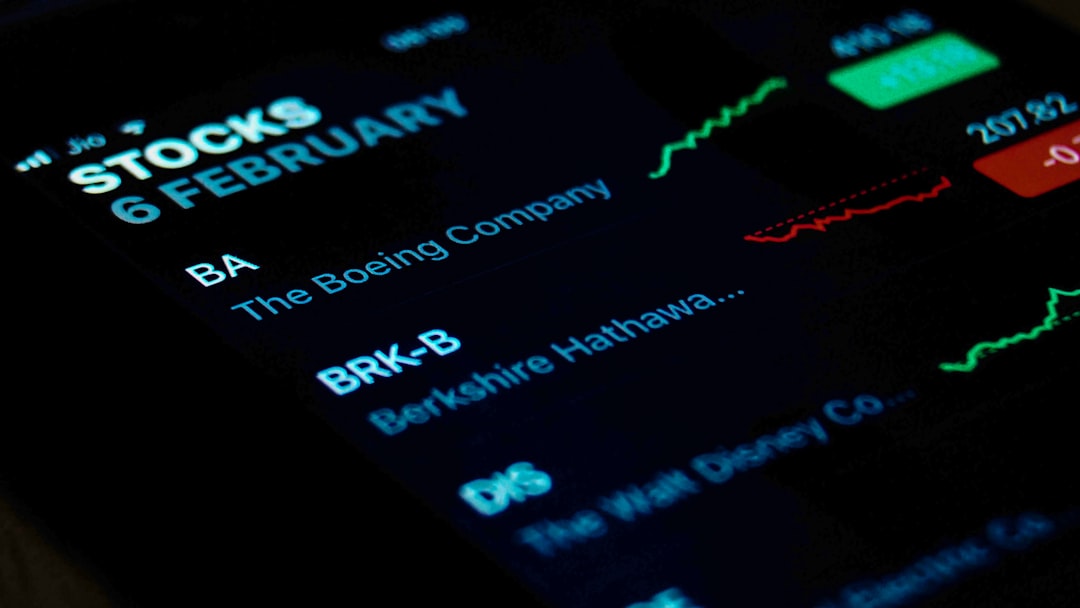
Adapting Investment Strategies in a Changing Landscape In light of the Treasury’s buyback announcement, bond market investors should reassess their strategies.
Investors should also keep a close eye on the evolving interest rate landscape. As the Treasury implements buybacks, the yield curve may flatten, altering the risk-reward profile for fixed-income securities. This shift could prompt investors to seek opportunities in shorter-duration bonds, which may offer more stability in a fluctuating market.
You may also like
 Government & Policy
HDFC Bank’s CEO Choice Reflects Regulatory Shift | Career Outlook
Anup Bagchi's appointment as CEO of HDFC Bank comes at a pivotal moment, reflecting a shift towards regulatory compliance and fresh leadership in the banking…
Read More →Understanding the timing of the Treasury’s buyback operations is crucial for investors. Monitoring announcements and market reactions can significantly impact the performance of Treasury securities. Being proactive in adjusting portfolios will be key to navigating the evolving bond market.
Risks, Trade-Offs, and What Comes Next
The implications of the Treasury’s buyback strategy extend beyond immediate market reactions. As the government seeks to lower borrowing costs, a more stable economic environment may emerge, creating opportunities for investors willing to engage with the changing landscape. The coming months will reveal how these dynamics play out, and investors must remain vigilant in their strategies.
Frequently Asked Questions
What are the implications of Treasury buybacks for bond investors?
Treasury buybacks may lead to lower bond yields, impacting returns for bond investors. As the Treasury reduces the supply of bonds, prices may rise, benefiting existing bondholders.
Rising costs can signal potential slowdowns, while lower costs may indicate government efforts to stimulate growth through policies like buybacks.

How should financial analysts interpret changes in borrowing costs?
Financial analysts should view changes in borrowing costs as signs of economic health. Rising costs can signal potential slowdowns, while lower costs may indicate government efforts to stimulate growth through policies like buybacks.
What strategies should bond market investors adopt in response to potential interest rate changes?
Bond market investors may consider diversifying their portfolios and focusing on shorter-duration bonds to reduce risks from interest rate fluctuations. Monitoring the Treasury’s actions will also be key for informed investment decisions.
You may also like
 Government & Policy
US AI Task Force Report Highlights Key Risks for Technology Regulation
As AI technologies rapidly advance, understanding the potential risks becomes essential for developing effective regulatory frameworks. The Task Force's findings will likely address various challenges,…
Read More →