
Universities across the United States are changing their core curriculums due to political influences. Many schools are shifting from climate change courses to civics. This change reflects broader societal debates, especially in states like Texas, where educational policies are shaped by political agendas.
Recently, several universities decided to prioritize civics education over environmental studies. This decision has sparked discussions about its impact on liberal arts students. As these changes occur, students pursuing liberal arts degrees may find their educational paths reshaped, raising concerns about their job market readiness.
Shifting Educational Priorities: From Climate Change to Civics
The move to replace climate change courses with civics reflects a larger political strategy. Advocates argue that understanding civic responsibility is vital for students today. However, critics warn that this shift undermines the importance of addressing global issues like climate change. A report from the University of Pennsylvania shows that political influences are increasingly dictating educational requirements, leading to a curriculum that may not fully prepare students for today’s complexities.
Research from Columbia University’s Political Science department emphasizes that a strong civics foundation is crucial for engaged citizens. Yet, reducing climate change courses may leave students unprepared to tackle significant challenges. Balancing civic education and environmental awareness is delicate, and universities must navigate these changes carefully. The implications of this shift are profound, as students may graduate without a comprehensive understanding of critical global issues essential for informed citizenship.
Additionally, the potential loss of sociology courses in favor of classics highlights a trend toward traditional education models. While classics offer valuable insights into human thought and culture, excluding contemporary social sciences may limit students’ understanding of societal dynamics. This narrowing focus raises concerns about graduates’ adaptability in a rapidly changing job market. The lack of exposure to current social issues could hinder their ability to engage in meaningful discourse and contribute to community solutions.
The implications of this shift are profound, as students may graduate without a comprehensive understanding of critical global issues essential for informed citizenship.
Career Ahead analysis finds that these shifts in core curriculum requirements could impact job readiness for liberal arts graduates. As universities emphasize civics, students may miss critical discussions about climate science and its implications. This gap could hinder their ability to engage effectively in sectors that value sustainability. The job market is evolving, and employers increasingly seek candidates who can think critically about complex global issues, which may not be adequately addressed in a civics-focused curriculum.
 Education & University Insights
Education Leaders Stress Early University Succession
The conclave brought institutional and technology leaders together to examine university transitions and long-term vision.
Read More →Implications for Job Market Readiness
The implications of these curriculum changes extend beyond classroom discussions. As universities prioritize civics, liberal arts graduates’ skill sets may not align with employers’ evolving demands. Many industries seek candidates with a strong understanding of social issues, including climate change, which may not be covered in a civics-focused curriculum. Career Ahead’s analysis shows that employers want graduates who can think critically about complex global issues. The emphasis on civics may produce graduates well-versed in political theory but lacking interdisciplinary skills needed to engage with pressing societal challenges. This mismatch could lead to difficulties in securing employment in fields that value a broader understanding of social dynamics.
Moreover, the potential reduction in sociology courses may impact students’ ability to analyze social trends and behaviors. As the job market increasingly values data-driven insights and social awareness, graduates may find themselves at a disadvantage. The need for adaptability and diverse skills is critical, and universities must consider these factors when designing their curriculums. The disconnect between education and employment needs addressing to ensure liberal arts graduates remain competitive.
As universities navigate these changes, they must consider the long-term consequences for their students. The shift toward a civics-focused education may yield immediate political benefits but could also create a generation of graduates ill-prepared for the modern workforce‘s complexities. Balancing civic education with a comprehensive understanding of global issues is essential for producing well-rounded graduates. The ongoing evolution of university curriculums raises critical questions about the future of liberal arts education. Will universities prioritize a well-rounded education that prepares students for modern complexities, or will they continue to narrow their focus based on political influences? The answers to these questions will shape the educational landscape for years to come.
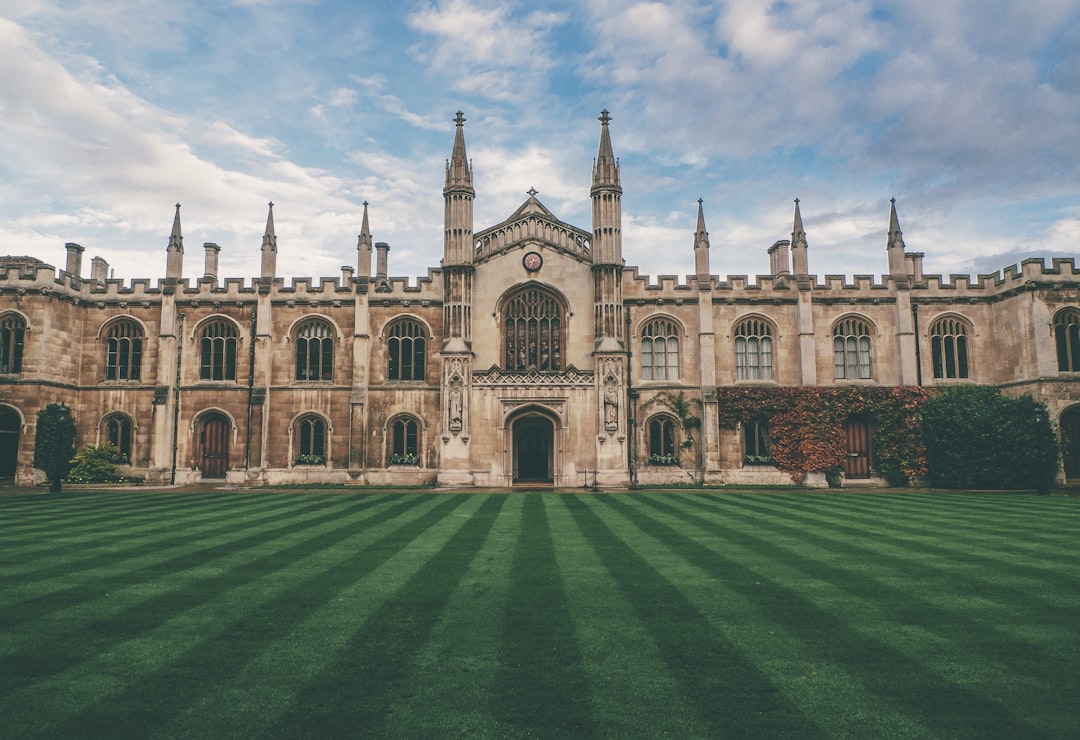
The ongoing evolution of university curriculums raises critical questions about the future of liberal arts education.
Furthermore, a recent article from The New York Times notes that the political climate is influencing not just what is taught, but how it is taught. The emphasis on civics education often comes with a push for more traditional teaching methods, which may not resonate with all students. This shift could lead to disengagement among those who thrive in dynamic, interdisciplinary learning environments. The challenge for educators will be to find ways to engage students meaningfully while adhering to new curricular mandates.
 Education & University Insights
Goa Conclave Calls for New University Models, AI and Research
The first day of the ETEducation Chancellors’ Conclave 2026 ended in Goa with calls to rethink university teaching, employability, research and AI.
Read More →In conclusion, the long-term consequences of these curriculum changes on liberal arts graduates could be significant. As the focus shifts away from climate change and sociology, students may lack the knowledge needed to engage in critical conversations about contemporary issues. This educational gap could hinder their ability to contribute meaningfully in various fields. The emphasis on classics over contemporary social sciences raises questions about the relevance of liberal arts education in today’s job market. Graduates may struggle to connect classical knowledge to real-world applications, limiting their employability. The ability to synthesize information from diverse fields is increasingly valuable, and universities must adapt their curriculums accordingly.
Career Ahead research shows that the job market is evolving, with employers valuing candidates who can navigate complex social issues. The lack of emphasis on climate change and sociology in university curriculums may leave graduates underprepared for roles requiring interdisciplinary thinking and problem-solving skills. As these shifts in core curriculum requirements continue, the future of liberal arts education hangs in the balance. Universities must carefully consider the implications of their decisions on students’ career readiness and broader societal impact. The challenge lies in balancing civic education with a comprehensive understanding of contemporary issues.
Frequently Asked Questions
What courses should liberal arts students prioritize given the curriculum changes?
Liberal arts students should focus on courses that provide a broad understanding of social issues, including sociology and environmental studies. These subjects are essential for developing critical thinking skills and preparing for a diverse job market.
These subjects are essential for developing critical thinking skills and preparing for a diverse job market.
How will university curriculum changes impact job opportunities for sociology graduates?
Career Ahead analysis shows that sociology graduates may face challenges in the job market as their education becomes less aligned with employer expectations. A lack of emphasis on contemporary social issues could hinder their employability in sectors that value data-driven insights.
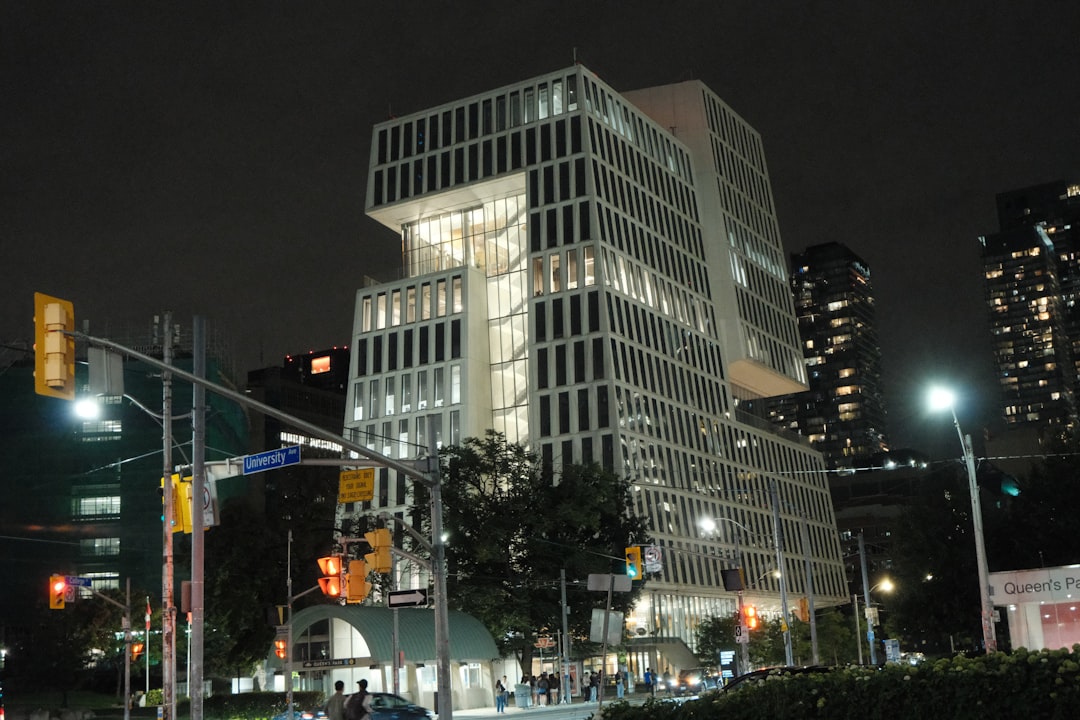
What should university curriculum designers consider when adapting to political influences in education?
Curriculum designers must prioritize a balanced approach that incorporates civic education while maintaining a focus on contemporary issues like climate change and sociology. This balance is crucial for producing well-rounded graduates who can navigate the complexities of the modern workforce.
Written by Career Ahead AI. AI can make mistakes, so verify key facts. Report errors to support@careeraheadonline.com.