No products in the cart.

How WhatsApp’s AI Scam Detection Enhances User Security
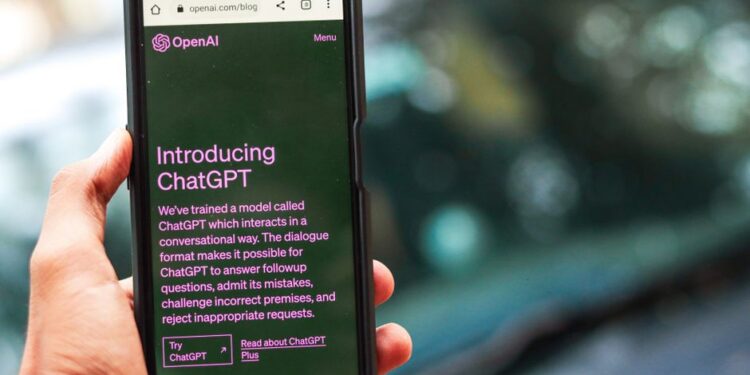
WhatsApp's new AI-driven Scam Detection feature aims to enhance security by identifying potential scams before they reach users. This development not only protects users but also highlights the increasing need for cybersecurity expertise in software development.

WhatsApp has launched a new AI feature called Scam Detection. This tool aims to identify and flag potential scams before they reach users. Announced on August 14, 2026, it enhances user security amid rising concerns about online scams. As WhatsApp is a major communication platform, this AI integration is vital for protecting users from fraud.
The Scam Detection feature uses on-device AI algorithms to analyze incoming messages. Meta, WhatsApp’s parent company, states that this technology recognizes patterns linked to scams based on user reports. When a message is flagged as suspicious, users receive a warning that the sender cannot see. This proactive approach helps users decide whether to engage with the message or block the sender.
Understanding the Technology Behind Scam Detection
WhatsApp’s Scam Detection feature downloads a machine learning model directly onto the user’s device. This model analyzes incoming messages to see if they match known scam patterns. This method keeps user data private since the analysis occurs locally, without sending message content to WhatsApp’s servers. According to Mint, the model learns from various scam conversation patterns, improving its ability to detect fraud.
As scams evolve, WhatsApp adapts its approach. The AI integration allows for continuous updates to the detection model, keeping up with new scam tactics like impersonation and social engineering. This adaptability is crucial, especially since the Federal Trade Commission (FTC) reported that WhatsApp was the second-highest source of fraud contact methods in 2025, with $4.25 billion in scams linked to the platform.
The AI model employs probabilistic classification based on conversation structure and language signals, making it a powerful tool for identifying scams. Users can choose to trust a flagged chat, allowing them to share the last five messages with WhatsApp to improve the AI model’s accuracy. This feedback loop enhances the technology and encourages community involvement in fighting scams.
This adaptability is crucial, especially since the Federal Trade Commission (FTC) reported that WhatsApp was the second-highest source of fraud contact methods in 2025, with $4.25 billion in scams linked to the platform.
Impact on User Trust and App Security
The launch of AI-driven scam detection is likely to boost user trust in WhatsApp. As users become more aware of online communication risks, security-focused features can greatly influence their choice of messaging apps. By actively fighting scams, WhatsApp positions itself as a leader in user safety, which is key for retaining and attracting users in a competitive market.
Moreover, WhatsApp’s commitment to user privacy while using AI is crucial for building trust. All processing occurs on-device, without sharing personal data with third parties. This transparency is important, as users are increasingly concerned about their digital footprints and data privacy.
According to Scamadviser, the evolution of scams on platforms like WhatsApp requires ongoing adaptation of security measures. WhatsApp’s proactive use of AI not only reduces risks but also sets an example for other messaging platforms. As competitors notice WhatsApp’s success, they may feel pressured to develop similar features, leading to improved security across the industry.

Career Implications for Cybersecurity Professionals and Software Engineers
The launch of WhatsApp’s AI-powered Scam Detection feature marks a significant change in the skills needed for software engineers and cybersecurity professionals. As companies increasingly use AI for security, there is a growing demand for experts who can develop and maintain these complex systems.
Career Implications for Cybersecurity Professionals and Software Engineers The launch of WhatsApp’s AI-powered Scam Detection feature marks a significant change in the skills needed for software engineers and cybersecurity professionals.
Career Ahead’s analysis shows that this trend creates new job opportunities in AI-driven security roles. Software engineers with skills in machine learning and AI algorithms will be well-positioned to help develop similar features across different platforms. This shift opens doors for new roles and emphasizes the importance of continuous learning in the tech industry.
Additionally, as organizations prioritize user security, professionals who understand AI ethics and data privacy will be in high demand. Balancing user protection with privacy concerns will be crucial for those looking to advance in cybersecurity and software development.
In the coming years, AI integration into security protocols will likely increase. Companies that do not adapt may find themselves at a disadvantage as users prioritize platforms that offer strong protection against scams and fraud.
The evolution of WhatsApp’s Scam Detection feature reminds us of technology’s critical role in shaping user experiences. As the digital landscape changes, the need for skilled professionals in cybersecurity and software engineering will only grow. The question remains: how will other platforms respond to this shift, and what new innovations will emerge in the fight against online scams?
Frequently Asked Questions
How can cybersecurity professionals leverage AI for scam detection?
Cybersecurity professionals can use AI to develop machine learning models that analyze communication patterns and identify scams. By utilizing data from user reports and known scam tactics, they can create more effective detection systems.
Continuous learning about machine learning algorithms and user privacy considerations will be essential for developing effective security features.
What technologies are used by WhatsApp for AI-based security?
WhatsApp uses on-device machine learning models for its AI security features. These models analyze incoming messages for scam patterns while keeping user privacy intact by processing data locally.

What should software engineers do to enhance security features in messaging applications?
Software engineers should focus on integrating AI technologies that adapt to evolving scam tactics. Continuous learning about machine learning algorithms and user privacy considerations will be essential for developing effective security features.
Related Articles
- India Data Centre Capacity Hits 3.6 GW, Hyperscalers Lead Growth
- Replit’s New Tool Transforms Ideas into Mobile Apps
Written by Career Ahead AI. AI can make mistakes, so verify key facts. Report errors to support@careeraheadonline.com.