No products in the cart.

How Zoox Challenges Waymo in the Autonomous Vehicle Market
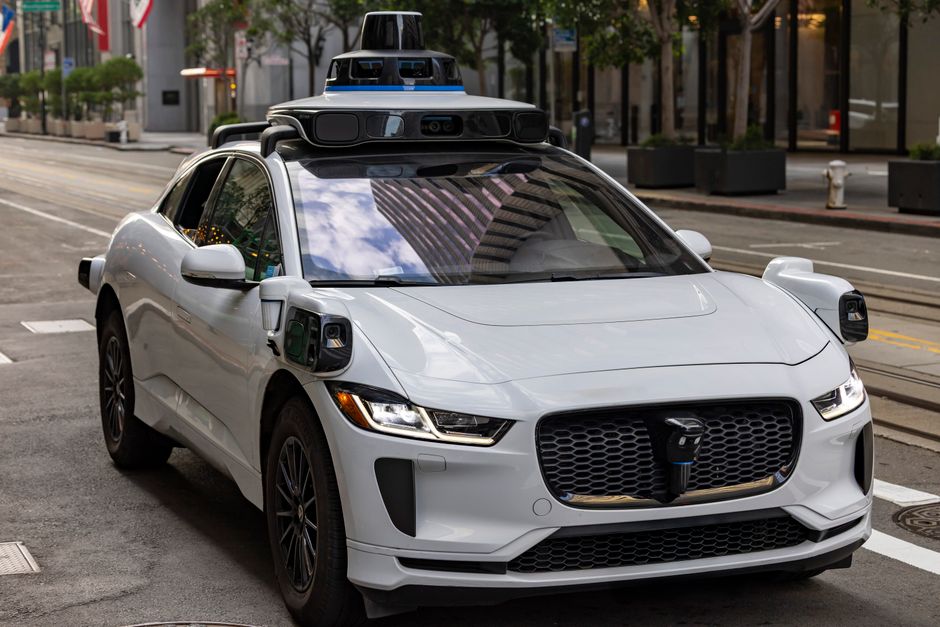
Zoox is redefining the autonomous vehicle landscape by leveraging innovative marketing strategies and advanced vehicle designs. This approach not only differentiates it from Waymo but also highlights a potential shift in how tech companies engage users and investors.

San Francisco, US — Zoox, Amazon’s autonomous vehicle subsidiary, is stepping up its competition with Waymo. It is doing this through unique marketing strategies and innovative vehicle designs. As of September 2026, Zoox is not just another player in the autonomous vehicle market. It is creating a distinctive identity through experiential marketing, including wine pop-ups and festival sponsorships. This aims to attract both riders and investors.
This strategic shift comes as urban mobility evolves rapidly. Waymo has long been recognized for its technological advancements and strong operational framework in autonomous driving. However, Zoox’s approach is different. It focuses on creating a brand that connects with users on a personal level. This difference could change how consumers view autonomous vehicles, especially in cities.
Innovative Marketing Strategies That Stand Out
Zoox is using unconventional marketing tactics to stand out from Waymo. By organizing wine pop-ups and sponsoring local festivals, Zoox connects directly with potential users. These events allow the company to showcase its vehicles in a relaxed environment, turning product demonstrations into social experiences. This strategy garners attention and builds community engagement and brand loyalty.
According to Career Ahead’s analysis, this unique marketing approach reflects a broader trend in tech industries. Experiential marketing is becoming essential for user engagement. Companies like Zoox recognize that consumers today want more than just a product; they seek experiences that align with their lifestyle and values. This shift could increase brand preference among younger consumers who value experiences over traditional advertising.
Moreover, Zoox’s marketing efforts aim to make autonomous technology less intimidating. By involving the community in fun, interactive events, Zoox makes autonomous vehicles more relatable. This approach contrasts with Waymo’s conventional marketing, which often emphasizes technical superiority. Zoox’s experiential marketing may help it capture a market segment that values emotional connections over technical specifications.
As Zoox continues to innovate in marketing, it sets a new standard for how transportation startups can engage consumers. This can inspire other companies in the sector to adopt similar strategies, potentially reshaping the autonomous vehicle market.
This design allows for greater maneuverability and efficiency in crowded cityscapes, addressing key challenges for autonomous vehicles today.
Technological Advancements in Vehicle Design
You may also like
 Industry & Global Trends
IT Stocks Reflect AI Disruption Risks Already
The current landscape indicates a pivotal moment for IT companies as they navigate the integration of AI into their operations, presenting both challenges and opportunities…
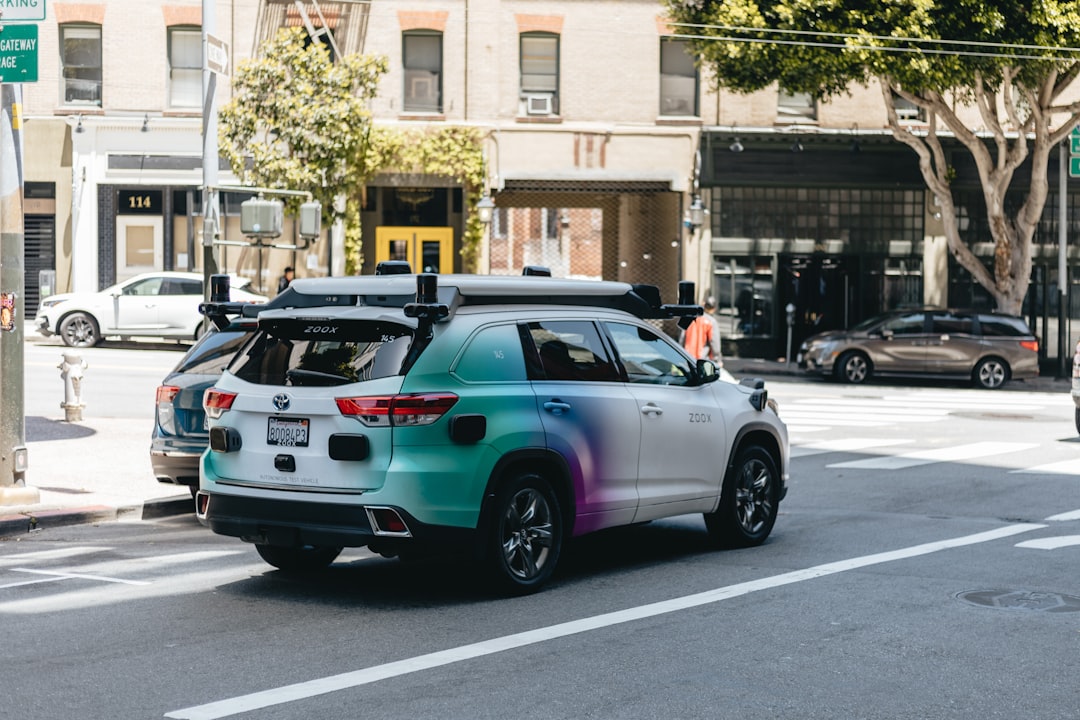
Read More →Beyond marketing, Zoox is also advancing vehicle design to differentiate itself from Waymo. The company has developed a bi-directional vehicle designed specifically for urban environments. This design allows for greater maneuverability and efficiency in crowded cityscapes, addressing key challenges for autonomous vehicles today.
Zoox’s vehicle features a unique design that removes the need for a traditional front or rear. This enables it to navigate tight spaces and make quick turns. This innovation could be a game-changer in urban settings where space is limited. Career Ahead research shows that urban mobility solutions must prioritize adaptability and efficiency, and Zoox’s design reflects this understanding.
Additionally, the integration of advanced AI technologies into Zoox’s vehicles boosts their safety and operational capabilities. The company focuses on real-time data processing, allowing its vehicles to make split-second decisions in complex environments. This emphasis on safety and responsiveness is crucial for gaining consumer trust, especially as public acceptance of autonomous vehicles remains a hurdle.
As Zoox refines its technology, it may also influence regulatory discussions around autonomous vehicles. Demonstrating the effectiveness and safety of its designs could help pave the way for broader acceptance and regulatory approval, benefiting Zoox and the entire industry.
Demonstrating the effectiveness and safety of its designs could help pave the way for broader acceptance and regulatory approval, benefiting Zoox and the entire industry.
The Competitive Landscape in Urban Mobility
The competition between Zoox and Waymo highlights the broader dynamics of the autonomous vehicle market. While Waymo has established itself as a leader with extensive operational experience, Zoox is carving out a niche by focusing on user experience and community engagement. This approach could lead to a more diverse market where different companies meet varying consumer needs.
Waymo’s strategy has primarily focused on technological advancement and scalability. However, as Zoox shows, there is great value in connecting with consumers personally. This shift could create a more segmented market, where companies like Zoox appeal to urban dwellers seeking innovative, user-friendly solutions.
You may also like
 Industry & Global Trends
How Homeowners Use Equity and AI to Combat Inflation
With rising prices, American homeowners are increasingly tapping into home equity and leveraging AI tools for financial decisions. This trend highlights the intersection of technology…
Read More →Furthermore, the rise of experiential marketing in tech may signal a change in how companies engage potential users and investors. By prioritizing user experience, Zoox is not only differentiating itself from Waymo but also setting a new standard for how autonomous vehicle companies communicate their value.
As competition intensifies, both Zoox and Waymo must adapt to changing consumer expectations. The evolving landscape of urban mobility presents opportunities for innovation but also challenges as companies compete for market share. Zoox’s strategies may serve as a blueprint for other startups entering the autonomous vehicle space.
In this fast-paced environment, the question remains: will Zoox’s unique strategies be enough to challenge Waymo’s dominance, or will the established player continue to lead the market? The coming months will be crucial as both companies navigate this competitive landscape.
Career Ahead analysis shows that Zoox’s use of experiential marketing, like wine pop-ups and festival sponsorships, effectively engages consumers and builds brand loyalty.
Frequently Asked Questions
What innovative marketing strategies can autonomous vehicle engineers learn from Zoox?
Career Ahead analysis shows that Zoox’s use of experiential marketing, like wine pop-ups and festival sponsorships, effectively engages consumers and builds brand loyalty. This approach can inspire engineers to think creatively about connecting with potential users beyond traditional advertising.
How can transportation startup founders leverage unique branding to compete with established players?
Transport startup founders can learn from Zoox’s focus on community engagement and user experience. By creating memorable experiences that resonate with consumers, startups can carve out a niche in competitive markets dominated by larger companies.
What should autonomous vehicle engineers focus on to improve their product’s market appeal?
Engineers should prioritize user-centered design and safety features in their vehicles. By focusing on real-world usability and integrating advanced AI technology, engineers can enhance the appeal of their products in urban environments.
You may also like
 Industry & Global Trends
Payday Loans: Weighing Risks and Eligibility
The payday loan market has seen increased activity, particularly in India, where many individuals turn to these loans for urgent cash needs.
Read More →