No products in the cart.

Indian Foundries Seize Global Supply Opportunities
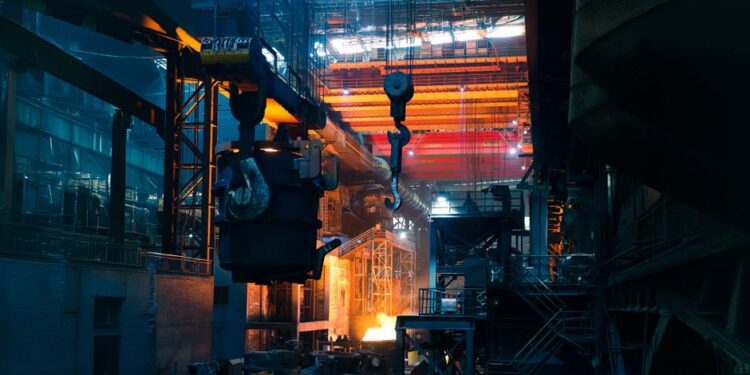
India's foundry sector is gaining global interest as it positions itself as a key supplier for multinational companies, driven by rising demand from the automotive industry and strategic partnerships.

India’s foundry sector is gaining interest from global manufacturers. At the recent Inter Foundry and Inter DieCast exhibition, experts noted that Indian foundries could become key suppliers for multinational companies. The Indian industry has shown resilience during global disruptions, making it a strong option for sourcing castings and components.
Parag Sharma, vice-president of Global Purchasing and Supply Chain at Stellantis, highlighted the growing demand for castings from Indian foundries. He mentioned that the sector has expanded significantly over the past two decades. Indian foundries are now well-equipped to meet international standards, creating a unique opportunity for growth in the global market.
Rising Demand from Global Automotive Manufacturers
The automotive sector drives demand for foundry products. As global automotive manufacturers look to diversify their supply chains, India is becoming a preferred sourcing destination. Career Ahead’s analysis predicts substantial growth for the Indian foundry industry, especially in producing castings for electric vehicles (EVs) and traditional automotive applications.
Data from lohaa.co.in shows that the Indian foundry sector is well-positioned to expand its export capabilities. This growth focuses on both ferrous and non-ferrous foundries. The increasing demand for lightweight materials and high-performance components fuels this expansion, essential for the evolving automotive landscape.
Indian foundries have demonstrated resilience during global crises, such as the recent West Asia conflict. Sreenivas Naidu, executive director of ZF Wind Power, noted that Indian foundries maintained their supply chains despite challenges. This reliability enhances their appeal to international clients.
As the automotive industry shifts towards sustainability, Indian foundries that invest in advanced manufacturing technologies will likely gain an edge. Career Ahead research suggests that foundries adopting smart manufacturing practices can improve production capabilities and meet global quality demands.
A recent memorandum of understanding between the Foundries Development Foundation and Germany-based VDMA shows the potential for collaborative growth in this sector.
Given these developments, partnerships between Indian foundries and international firms may become more common. A recent memorandum of understanding between the Foundries Development Foundation and Germany-based VDMA shows the potential for collaborative growth in this sector.
You may also like
 Industry & Global Trends
Gujarat Fluorochemicals Shares Jump 34% on Polymer Growth
Gujarat Fluorochemicals has seen a remarkable 34% increase in share price over the last three months, largely due to strong quarterly results and strategic investments…
Read More →
Strategic Partnerships and Technological Investments
To capitalize on global demand, Indian foundries must build strategic partnerships. Collaborating with international firms can provide access to advanced technologies and best practices. This is crucial as the industry shifts towards automation and digitalization.
According to blog.foundrychannel.com, the Indian foundry industry will benefit from technological advancements, especially in 3D printing and smart manufacturing. These technologies improve efficiency and reduce waste, aligning with global sustainability goals.
Investing in technology is vital for foundries aiming to compete internationally. For example, adopting Industry 4.0 principles can streamline operations and enhance product quality. Career Ahead’s analysis shows that foundries embracing these technologies will attract more personnel and resources, boosting their competitive position.
The global push for electric vehicles presents a significant opportunity for Indian foundries. Manufacturers need lightweight and high-strength materials for EV components. Foundries that innovate in material science and production techniques will be in high demand. Findings from indianfoundries.com highlight the growing need for specialized castings in the automotive sector.
These professionals must stay informed about the latest trends and technologies to navigate the evolving landscape effectively.
Ultimately, Indian foundries’ success in the global market will depend on their ability to adapt and innovate. By leveraging partnerships and investing in cutting-edge technologies, they can become leaders in the foundry space.
The implications of these developments extend beyond the foundries themselves. They also affect supply chain specialists and foundry managers. These professionals must stay informed about the latest trends and technologies to navigate the evolving landscape effectively.
You may also like
 Industry & Global Trends
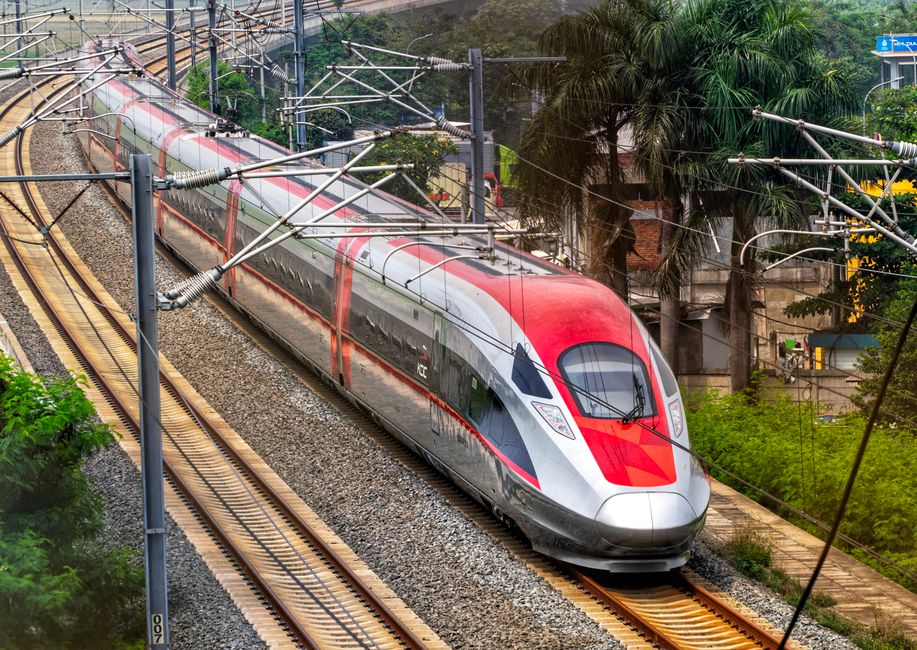
Alstom to build new battery-electric train fleet
Alstom is set to manufacture a fleet of 29 battery-electric trains in Derby, supported by nearly £1 billion from the UK government, with operations commencing…
Read More →As the global market for foundry products expands, the demand for skilled professionals will grow. Foundry managers in India must prepare for international partnerships by enhancing their understanding of global standards and practices.
Implications for Supply Chain Specialists and Foundry Managers
For supply chain specialists, the rising opportunities in Indian foundries indicate a shift in sourcing strategies. As more global manufacturers look to India for reliable suppliers, specialists must adapt their approaches. Understanding the nuances of the Indian market, including regulatory requirements and quality standards, will be crucial for success.
Collaboration between Indian foundries and international firms can lead to improved supply chain efficiencies. By working together, these entities can streamline logistics and reduce lead times, benefiting end consumers. This collaborative approach aligns with trends highlighted in Career Ahead’s research, emphasizing the importance of integrated supply chains in today’s global economy.
Foundry managers must enhance their operational capabilities to meet international expectations. This includes investing in workforce training and development to ensure employees have the necessary skills to operate advanced machinery and implement new technologies.
As the industry evolves, foundry managers need to engage in continuous learning and adaptation.

As the industry evolves, foundry managers need to engage in continuous learning and adaptation. This proactive approach will help them remain competitive and respond to changing market demands effectively.
In conclusion, the future of Indian foundries looks promising as they capitalize on global supply opportunities. Rising demand, strategic partnerships, and technological investments position them well for success. As the industry continues to evolve, stakeholders must remain vigilant and adaptable to thrive in this dynamic environment.
Frequently Asked Questions
What are the key trends in global foundry supply chains?
You may also like
 Industry & Global Trends
Ultraviolette to establish BIGGA factory
The new factory marks a pivotal moment for Ultraviolette, as it seeks to expand its footprint in the electric vehicle market both domestically and internationally.…
Read More →Career Ahead’s analysis shows that key trends include a shift towards sustainability, increased demand for lightweight materials, and the adoption of advanced manufacturing technologies. These trends reshape how foundries operate and compete globally.
How can supply chain specialists leverage opportunities in Indian foundries?
Supply chain specialists can leverage opportunities by understanding the Indian market’s unique dynamics and building relationships with local foundries. This will help optimize sourcing strategies and enhance supply chain efficiencies.
What should foundry managers do to prepare for international partnerships?
Foundry managers should enhance their operational capabilities and invest in workforce training. Staying informed about global standards and practices is also essential for successful international collaborations.