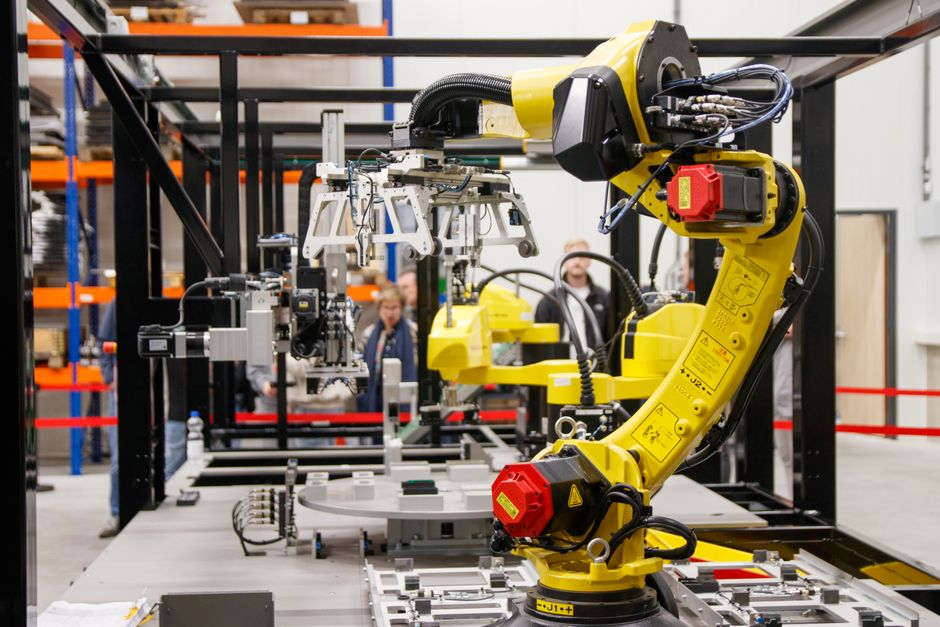
Hyundai Motor workers in India initiated a three-day strike on July 13, 2026, demanding better bonuses and job security amid rising automation within the automotive industry. This labor action highlights significant concerns among workers regarding the future of their jobs as AI and robotics become more prevalent in manufacturing processes.
The labor action comes at a critical time when workers are increasingly vocal about their rights and the need for fair compensation. The union representing the workers has stated that the current bonus structure does not adequately reflect the profits generated by the company, particularly in light of the increased productivity attributed to automation technologies.
Automation’s Impact on Job Security
As automation continues to transform the automotive sector, workers are rightfully concerned about their job security. The integration of AI and robotics in manufacturing processes can lead to significant workforce reductions. Hyundai’s push towards automation has raised alarms among employees, who fear that their roles may be at risk.
According to a report from NewsBytes, the strike is fueled by demands for safeguards against job losses due to AI advancements. Workers are calling for a commitment from Hyundai to protect their jobs as the company increasingly relies on automated systems for production. This situation is not unique to Hyundai; many companies across various sectors are facing similar labor disputes as they adopt new technologies.
The implications of this strike extend beyond Hyundai. As companies adopt automation, the need for workers to negotiate job security becomes paramount. Unions must adapt their strategies to address these emerging challenges effectively. The current labor unrest reflects a broader trend where workers are demanding not just fair wages but also assurances about their future employment in an increasingly automated world.
The current labor unrest reflects a broader trend where workers are demanding not just fair wages but also assurances about their future employment in an increasingly automated world.
Union Strategies for Effective Negotiation
In light of the current strike, union members must develop effective negotiation strategies to advocate for their rights. The demands for better bonuses and job security highlight the importance of collective bargaining in securing favorable outcomes for workers. Unions need to present a united front to ensure that their voices are heard during negotiations.
 Industry & Global Trends
HFCL Stock Rises Amid AI, Defence Demand
HFCL's stock has tripled in the last six months, driven by a surge in orders for artificial intelligence and defence, indicating a growing demand for…
Read More →According to SaveDelete, the strike emphasizes the need for unions to engage in proactive discussions with management about the implications of automation. Union leaders should gather data on the company’s profits and productivity to strengthen their case for improved bonuses. By demonstrating how automation has benefited the company financially, unions can argue for a fair share of those profits in the form of bonuses and job security assurances.
Moreover, unions must also focus on building alliances with other labor organizations to amplify their demands. Collaborative efforts can lead to more significant pressure on corporations to prioritize worker rights in the face of automation. The current labor landscape is evolving, and unions that adapt to these changes will be better positioned to advocate for their members.

Additionally, union members should prepare for negotiations by educating themselves about the potential impacts of automation on their roles. Understanding how AI and robotics may change job functions will allow workers to negotiate from a more informed position. This knowledge can help unions push for training programs that equip workers with the skills needed to thrive in an automated environment.
This knowledge can help unions push for training programs that equip workers with the skills needed to thrive in an automated environment.
Revising Bonus Structures for Fair Compensation
As the strike unfolds, one of the central issues is the structure of bonuses within Hyundai. Workers are advocating for a more equitable distribution of profits, particularly given the company’s increasing reliance on automation. Reports from CNBC TV18 suggest that workers are calling for profit-linked bonuses that align more closely with the company’s earnings. This approach would ensure that as the company benefits from automation, workers also share in that success.
 Industry & Global Trends
Paytm, Mobikwik, Pine Labs Shares Plunge Amid UPI MDR Delay
Shares of Paytm, Mobikwik, and Pine Labs have seen a significant drop due to concerns over the delay in the UPI Merchant Discount Rate policy.…
Read More →Such a shift in bonus structure could motivate employees and enhance productivity while addressing job security concerns. The potential for changes in bonus structures highlights the need for companies to rethink their compensation strategies in light of automation. By linking bonuses to company profits, employers can foster a sense of shared success with their workforce. This strategy could also help mitigate some of the fears surrounding job displacement as workers see tangible benefits from the company’s growth.
Broader Implications for Labor Relations
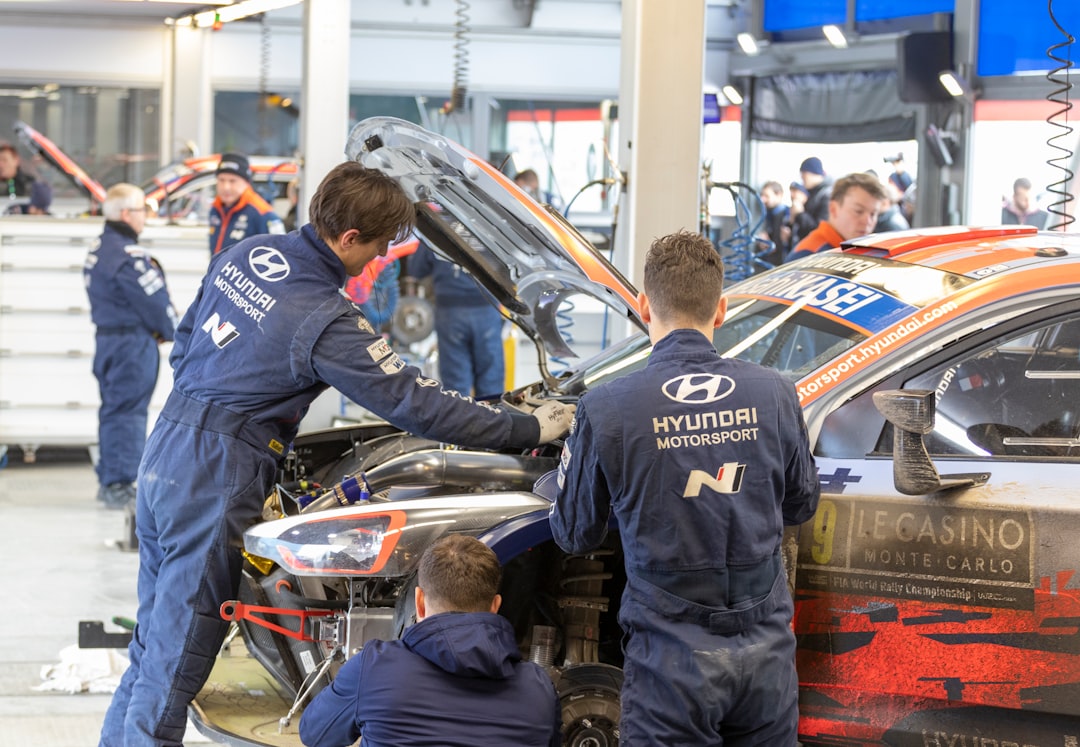
The ongoing strike at Hyundai serves as a crucial reminder of the challenges faced by workers in an era of rapid technological change. As labor disputes continue to emerge across industries, the need for effective negotiation and a reevaluation of compensation structures will become increasingly important. The outcomes of this strike could set a precedent for how companies navigate the complexities of automation and labor relations in the future.
Frequently Asked Questions
What are the reasons behind the Hyundai workers’ strike?
Hyundai workers are striking primarily for better bonuses and job security amid rising automation concerns. They are demanding safeguards against job losses as the company increasingly adopts AI and robotics in its manufacturing processes.
Additionally, they should educate themselves about the impacts of automation on their roles to negotiate effectively.
How does automation affect job security for factory workers?
Automation poses a significant threat to job security for factory workers, as AI and robotics can replace manual labor. Workers are concerned that their roles may be eliminated or significantly altered as companies adopt these technologies.
What should union members do to prepare for negotiations regarding bonuses?
Union members should gather data on company profits and productivity to strengthen their case for improved bonuses. Additionally, they should educate themselves about the impacts of automation on their roles to negotiate effectively.
Written by Career Ahead AI. AI can make mistakes, so verify key facts. Report errors to support@careeraheadonline.com.