
A few years ago, I found myself helping my son prepare a show-and-tell talk for school about our family’s driving holiday in Europe. For him, the highlight of the trip was experiencing seamless travel across borders in five different countries with just one visa. No queues, no delays – just smooth roads and new horizons. One day stood out for all of us: breakfast in the Cote d Azure in France, lunch by Lake Como in Italy, and dinner in Switzerland as we watched the sun set over Lake Lucerne. It was a day that embodied the essence of connectivity and integration!
Imagine a similar future for South Asia – where you could have breakfast in Islamabad, lunch in Delhi, tea in Dhaka, and end your day in Colombo, watching the sunset over the Indian Ocean. This vision, however, remains distant.
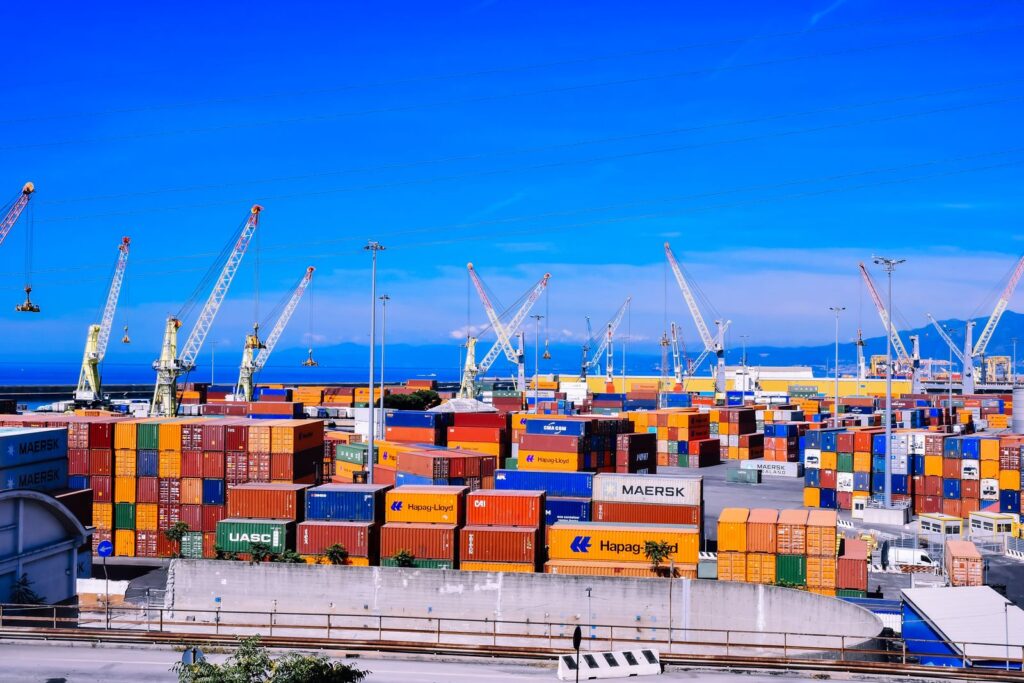
South Asia is one of the least integrated regions in the world when it comes to trade and connectivity. According to the World Bank’s report, A Glass Half Full: The Promise of Regional Trade in South Asia, intraregional trade accounts for a mere 5% of the region’s total trade, compared to 25% in ASEAN and an impressive 60% in Europe. The reasons are clear: high costs of trading, inefficient trade facilitation, and inadequate infrastructure. Complex customs procedures, subpar border facilities, and compliance burdens associated with non-tariff measures exacerbate these issues. As a result, trading between neighboring South Asian countries like India and Bangladesh can be 15–20% costlier than trading with far-off partners like Germany or Brazil.
South Asia’s story isn’t solely one of missed opportunities. Across the region, ordinary people find extraordinary ways to connect, innovate, and collaborate, often overcoming significant barriers.

Untapped Potential of Regional Trade
The potential benefits of a connected South Asia are immense. Econometric models estimate that annual intraregional trade in goods could almost triple, compared to current levels. Although between 2005 and 2019, trade among BBIN (Bangladesh, Bhutan, India, Nepal) countries grew six-fold, yet the untapped potential remains vast. For example, cross-border trade could increase by 93% for Bangladesh, 50% for India, and 76% for Nepal. Another report, Connecting to Thrive: Challenges and Opportunities of Transport Integration in Eastern South Asia, highlights that implementing the Motor Vehicles Agreement between Bangladesh and India could potentially boost national income by an estimated 17% in Bangladesh and 8% in India.
In this context, I co-authored The Good Neighbors, a report that highlights ten successful examples of cross-border cooperation.
 Featured
Leading Change When Certainty Is Gone
Change is no longer a project with a start and an end. Waltraud Rother explains why leaders need a new mindset, and gives five questions…
Read More →Despite these challenges, there is room for optimism. South Asia’s story isn’t solely one of missed opportunities. Across the region, ordinary people find extraordinary ways to connect, innovate, and collaborate, often overcoming significant barriers. In this context, I co-authored The Good Neighbors, a report that highlights ten successful examples of cross-border cooperation. These stories, painstakingly curated from interviews, anecdotes, and extensive documentation, illustrate that regional integration in South Asia isn’t just a dream – it’s achievable. From social enterprises challenging taboos around menstruation to the South Asian Symphony Orchestra which uses music to promote harmony and peace in the region, the report highlights instances of cooperation to reveal the region’s resilience and potential.
Regional Collaboration and Youth
Youth have a pivotal role in shaping the future of regional cooperation in South Asia. With their fresh perspectives, energy, and adaptability, young people can serve as catalysts for change. By participating in cross-border youth forums, cultural exchanges, and educational programs, they can foster understanding and build bridges of trust between neighboring countries. Furthermore, the rise of digital platforms provides an unprecedented opportunity for young entrepreneurs and innovators to collaborate across borders, leveraging technology to solve common challenges like climate change, poverty, and education gaps. Advocacy campaigns led by youth can also amplify voices calling for regional integration, bringing the topic into public discourse and making it a priority for policymakers.
For example, our Good Neighbors report highlights the South Asia Economic Students Meet (SAESM) which annually brings together nearly a hundred South Asian economics students for one week to debate issues of regional economic development. For most participants, it is their first exposure to regional cooperation and often leads to opportunities with peers for future research collaboration. For many students, crossing the border is a first-hand lesson about the challenges of regional cooperation – visas can be difficult to obtain and travel restrictions mean traveling a circuitous route for a neighboring country.
For those inspired to make a tangible impact, organizations like the World Bank offer exciting career opportunities. Programs like the Young Professionals Program (YPP), Junior Professional Associates (JPA) and internships offer a pathway for aspiring changemakers to gain experience and contribute to transformative projects.
For those inspired to make a tangible impact, organizations like the World Bank offer exciting career opportunities.
Commitment to a Shared Future
 Industry & Global Trends
Stiell Says Fossil Fuel Crisis Spreads Inflation at Cop31
Turkey put attendance at one hundred thousand visitors for the two-week talks, with at least ninety-five heads of state included in the estimate.
Read More →For me, this work transcends the boundaries of a mere job – it is a deeply personal mission rooted in my commitment to fostering progress and poverty reduction. Achieving sustainable economic development is far from straightforward; it requires unwavering vision, innovative approaches, and the perseverance to overcome complex challenges. Yet, the rewards are transformative: a South Asia where nations thrive together, bound by shared prosperity, mutual respect, and a collective drive for growth. Whether it is creating pathways for seamless trade, facilitating cultural exchanges, or amplifying voices for regional integration, I am honored to contribute to this vital work. Every day, I am inspired by the immense possibilities that regional cooperation holds.
For example, our Good Neighbors report highlights the South Asia Economic Students Meet (SAESM) which annually brings together nearly a hundred South Asian economics students for one week to debate issues of regional economic development.

Read this in the magazine
This article first appeared in Career Ahead Magazine, January 2025 issue, page 2.
Read this article in the January 2025 issue (pages 2 to 4) · See everything in the January 2025 issue
More from Career Ahead
- Nairobi to Your Neighborhood: How Youth Are Localizing the SDGs Before Time Runs Out
- From Government Corridors to Corporate Boardrooms: The Craft of Public Policy
- India’s ₹1 Lakh Crore Innovation Bet: Building the Foundations of a Research Economy