No products in the cart.

IIT Madras Launches Innovative MTech and MA Programs
IIT Madras introduces new MTech and MA programs focusing on frontier technologies and governance, aligning education with industry needs.


“`html
Innovating Education: IIT Madras Takes the Lead
On 21 March 2026, the Indian Institute of Technology Madras launched four new postgraduate programmes that combine advanced technology with public decision-making. This shift aims to break down traditional curriculum barriers, allowing engineers, material scientists, and policy analysts to tackle the nation’s biggest challenges together. Director Prof. V. Kamakoti described this initiative as a way to align education with industry needs and national priorities, emphasizing the importance of interdisciplinary training in India’s knowledge economy.
This academic year, IIT Madras will introduce a Master of Arts in Public Policy (MA-PP) within the Department of Humanities and Social Sciences, along with three Master of Technology tracks: Semiconductor Materials Technology (SMT), Computational Engineering for Mechanical Systems (CEMS), and Robotics. Each programme blends core engineering principles with modern analytical tools, such as atom-scale simulations and AI-driven design. This rollout coincides with the Indian government’s focus on semiconductor fabrication, advanced manufacturing, and digital governance as key areas for the next decade.
Interdisciplinary Programs: Bridging Technology and Governance
MA in Public Policy – the human side of tech
The MA-PP will prepare students to turn technical possibilities into actionable policy. The curriculum will cover economics, law, and data analytics, enabling graduates to draft regulations for emerging fields like autonomous systems and quantum communications. By placing this programme in the humanities faculty, IIT Madras highlights that the societal impact of technology is a crucial design factor.
MTech in Semiconductor Materials Technology – feeding the chip renaissance
India’s goal to develop a domestic semiconductor ecosystem relies on expertise in crystal growth, wafer processing, and defect engineering. The SMT track, offered by the Department of Metallurgical and Materials Engineering, will provide hands-on experience with deposition techniques and computational materials science, supporting both government and private sector needs.
Interdisciplinary Programs: Bridging Technology and Governance MA in Public Policy – the human side of tech The MA-PP will prepare students to turn technical possibilities into actionable policy.
MTech in Computational Engineering for Mechanical Systems – the digital twin of industry
The CEMS specialization will equip mechanical engineers with skills in high-performance computing, multiphysics simulation, and data-driven optimization. This responds to the manufacturing sector’s need for engineers who can design lighter, stronger components while minimizing material waste, aligning with India’s “Make in India” initiative.
You may also like
 AI & Technology
Blacksmith Valuation Soars Nearly 10x
The surge in Blacksmith's valuation is indicative of a broader trend within the software development industry. As companies increasingly rely on AI tools to generate…
Read More →MTech in Robotics – from factory floor to public service
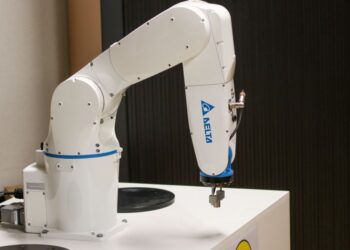
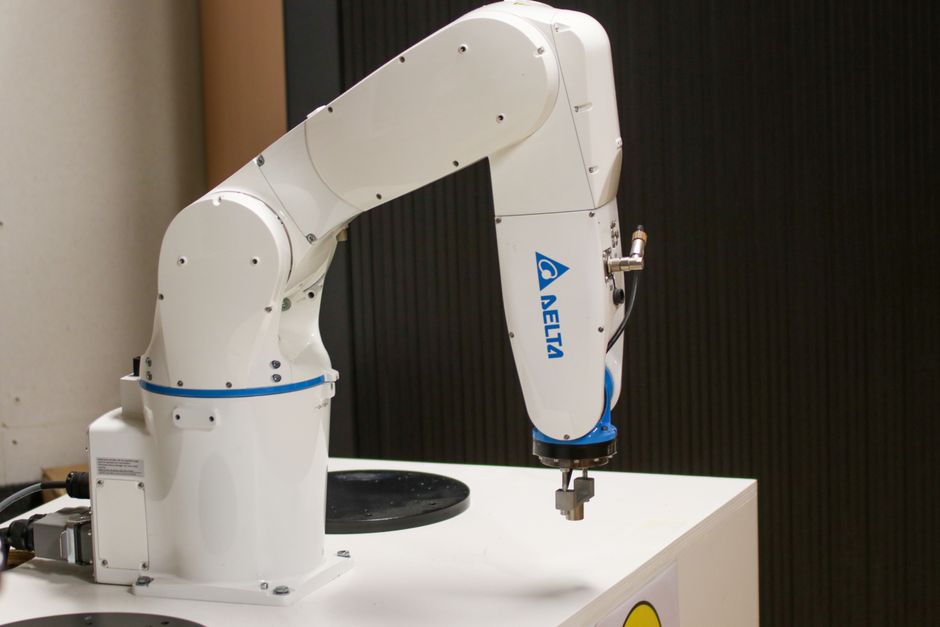
The Robotics programme, managed by the Department of Engineering Design, integrates kinematics, control theory, and human-robot interaction. This interdisciplinary approach fosters collaboration with the MA-PP cohort, aiming to create robots that perform tasks efficiently while adhering to ethical guidelines and regulatory frameworks.
Preparing for the Future: Skills for Tomorrow’s Challenges
These programmes address three national priorities: technological self-reliance, sustainable manufacturing, and responsive governance. By incorporating modern tools like AI-assisted design and policy analytics into core engineering education, IIT Madras aims to produce graduates who can navigate labs, boardrooms, and legislative chambers seamlessly.
The institute’s strategy reflects a global trend where top technical schools redefine the role of engineers to include policy-making. Graduates will leave with portfolios that showcase not only technical projects but also white papers on data privacy, AI impact assessments, and infrastructure cost-benefit analyses.
Employers across various sectors are eager for this hybrid talent. Multinational semiconductor companies, Indian manufacturing firms, and government ministries have expressed interest in recruiting graduates who can bridge the gap between research and regulatory compliance.
The Long-Term View: A Blueprint for National Capability
These programmes are not just about job placement; they are a strategic investment in India’s long-term resilience. By developing experts who understand both the science of silicon wafers and the policies governing their export, IIT Madras is fostering a cycle that can help the country transition from technology consumer to creator. The institute’s research initiatives, showcased on its website, already highlight interdisciplinary projects ranging from renewable energy trucks to low-light imaging.
Critical Insights
- Alignment with national priorities: Each programme directly supports sectors identified in government policy, ensuring graduates are relevant to the country’s strategic goals.
- Interdisciplinary pedagogy as a differentiator: By integrating engineering and policy students, IIT Madras fosters a collaborative environment for idea exchange.
- Industry-academia synergy: Early partnerships with manufacturers and regulatory bodies will ease the transition from classroom learning to real-world applications.
Strategic Perspective
You may also like
 Education & University Insights
Goa University Launches Flexible Online Programs with ₹6 Crore Funding
Goa University is set to launch flexible online learning programs with ₹6 crore funding, enhancing educational accessibility for adult learners and working professionals across India.
Read More →India’s ambition to become a global hub for advanced manufacturing and digital governance requires a skilled workforce capable of navigating complex systems. IIT Madras’ new postgraduate programmes are a strategic response to this need, embedding “policy-aware engineering” into higher education.
Preparing for the Future: Skills for Tomorrow’s Challenges These programmes address three national priorities: technological self-reliance, sustainable manufacturing, and responsive governance.
As the first cohort prepares to enroll, IIT Madras may set a benchmark for other Indian Institutes of Technology. If successful, this approach could transform how the nation develops talent, making interdisciplinary fluency a standard expectation for future technologists and policymakers.
In a rapidly changing technological landscape, the success of these programmes will be measured not just by patents or job offers, but by alumni who can guide innovation towards inclusive and sustainable outcomes. The coming years will show if IIT Madras has set a new standard for education that keeps pace with emerging challenges.
You may also like
 AI & Technology
How Hon Hai’s Profit Growth Reflects AI Investment Trends
Hon Hai Precision Industry Co. has reported a significant profit increase driven by investments in artificial intelligence (AI), reflecting a broader trend in the tech…
Read More →“`