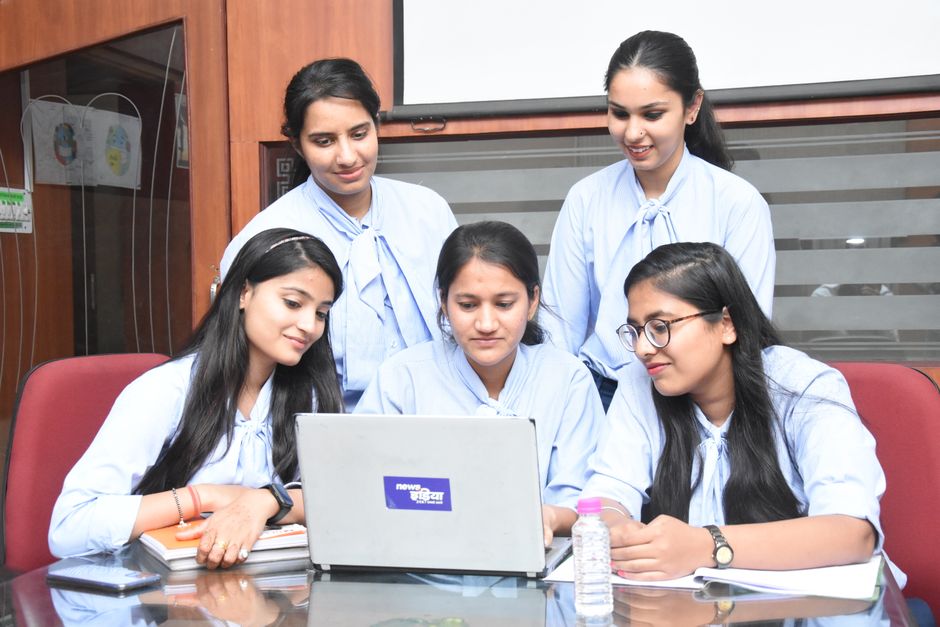
India’s Indian Institutes of Technology (IITs) have experienced a notable increase in female enrollment since 2018, largely attributed to the introduction of supernumerary seats designed to enhance gender diversity. In 2025, 3,664 women secured seats out of 18,188 total allotments, representing 20.15% of total admissions. This marks a significant rise from just 15.34% in 2018, as reported by the Ministry of Education’s Annual Report for 2024-25.
The government initiated supernumerary seats to address the longstanding gender imbalance in engineering education. This policy created additional seats for female candidates without reducing the number of seats available to male candidates. The overarching goal was to increase female representation in IITs, which had historically been low. This initiative aligns with broader educational reforms in India that promote inclusivity and equal opportunity in higher education.
Supernumerary Seats: A Key Driver for Female Enrollment
When the government announced 800 supernumerary seats in 2018, the aim was to boost female enrollment from 8% to 14% in 2018-19, 17% in 2019-20, and 20% in 2020-21. These targets were successfully met, with female B.Tech enrollment reaching 19.9% in 2020 and stabilizing around 20% in subsequent years. Analysis from Career Ahead indicates that these seats have directly correlated with increased female representation in IITs.
In 2019, the number of supernumerary seats increased to 1,122, further supporting this initiative. This expansion allowed more women to pursue engineering degrees, a field traditionally dominated by men. However, despite the initial growth, female enrollment has plateaued around 20% since 2020. This stagnation suggests that while the policy has been effective in the short term, it may not be sufficient for sustained long-term growth. A report by News18 emphasizes that while the increase in female intake is a significant step, ongoing efforts are essential to maintain this momentum.
The data indicates that supernumerary seats have played a crucial role in helping IITs move closer to gender balance. However, the stagnation in female enrollment highlights the need for additional measures to attract and retain women in engineering. Research from Career Ahead points out that challenges extend beyond seat availability. Societal perceptions, the pipeline of women choosing engineering, and the environment within IITs also significantly influence female participation. The cultural shift necessary to normalize women’s presence in these fields is still in progress, as many women encounter biases and stereotypes that deter them from pursuing engineering careers.
Reports from the Ministry of Education indicate that while the numbers are promising, retaining female students in engineering disciplines remains a concern.
Evaluating the Effectiveness of Policy Changes
The introduction of supernumerary seats was part of a broader strategy to enhance gender representation in STEM fields. Government data shows that female enrollment in IITs has steadily increased since the policy’s implementation. However, the challenge lies in maintaining this momentum and ensuring that women not only enroll but also succeed in these programs. Reports from the Ministry of Education indicate that while the numbers are promising, retaining female students in engineering disciplines remains a concern.
 Education & University Insights
AI Layoffs Hit Women Harder, ILO Research Shows
Nearly one in 10 women in high-income countries works in an occupation at the highest risk of AI exposure, ILO research found.
Read More →In 2025, female candidates constituted 20.15% of total admissions, marking a significant milestone. However, the data also reveals that female representation has plateaued. Analysis from Career Ahead suggests that while the policy has improved access, it has not addressed the cultural and institutional barriers women face in engineering careers. The stagnation in female enrollment raises questions about the effectiveness of supernumerary seats as a standalone solution. It underscores the necessity for IITs to create a supportive environment that encourages women to pursue engineering. This includes mentorship programs, networking opportunities, and initiatives that tackle gender bias within the academic community.
As engineering education evolves, IITs must continuously assess the impact of their policies on female students. This involves tracking enrollment numbers and evaluating the experiences of women in these programs to identify areas for improvement. According to the National Women’s History Museum, the historical context of women’s participation in STEM fields underscores the importance of sustained efforts to promote gender diversity and inclusion.

Broader Implications for Gender Diversity in Engineering
The implications of these trends extend beyond IITs. As more women enter engineering fields, they contribute to a more diverse workforce, which can drive innovation and creativity in technology and engineering sectors. The increased presence of women can lead to better problem-solving and a richer array of perspectives in engineering design and implementation.
Career Ahead’s analysis finds that the increase in female enrollment at IITs is a positive step towards achieving gender balance in engineering education. However, the journey is far from over. Sustained efforts are needed to ensure that women not only enter these programs but thrive within them. The ongoing dialogue about gender diversity in education must continue to evolve, reflecting the changing dynamics of society and the workforce.
The ongoing dialogue about gender diversity in education must continue to evolve, reflecting the changing dynamics of society and the workforce.
As IITs navigate the complexities of gender diversity, the focus must shift to ensuring that women have the support they need to succeed. The current plateau in female enrollment suggests that while supernumerary seats have made a difference, they are not the only solution. To foster a truly inclusive environment, IITs must engage with female students and understand their unique challenges. This engagement can take many forms, from student feedback mechanisms to active involvement in shaping policies that affect their academic experience.
 Education & University Insights
Education Leaders Stress Early University Succession
The conclave brought institutional and technology leaders together to examine university transitions and long-term vision.
Read More →
The future of female representation in engineering education at IITs will depend on how effectively these institutions adapt to their students’ needs. This includes creating initiatives that promote female role models in STEM, enhancing career counseling services, and providing platforms for women to share their experiences. As the demand for skilled engineers grows, diverse perspectives in problem-solving and innovation become increasingly critical.
Ultimately, the success of initiatives aimed at increasing female enrollment will depend on IITs fostering an environment where women feel empowered to pursue their passions in engineering. As technology and engineering evolve, so too must the strategies that support women’s participation in these fields. In the coming years, it will be essential to monitor the impact of these efforts on female enrollment and retention rates. The lessons learned from implementing supernumerary seats can guide future policies and initiatives aimed at enhancing gender diversity in engineering education.
Frequently Asked Questions
What are supernumerary seats and how do they work for women in IITs?
Supernumerary seats are extra seats created specifically for female candidates in IITs to improve gender balance. They do not reduce the number of seats available to other candidates, allowing more women to enroll in engineering programs.
Frequently Asked Questions What are supernumerary seats and how do they work for women in IITs?
How has the female enrollment rate changed at IITs since 2018?
Since the introduction of supernumerary seats in 2018, female enrollment in IITs has risen from 15.34% to around 20% in recent years. This increase reflects the effectiveness of the policy in promoting gender diversity.

What steps can IITs take to further improve gender diversity in engineering programs?
IITs can enhance gender diversity by implementing mentorship programs, promoting female role models in STEM, and creating supportive environments that address the unique challenges faced by women in engineering.
 Education & University Insights
India’s Higher Education Agenda Puts Skills, Research and Faculty First
A panel framed the debate around India@2047, while a university chancellor said competitive research ecosystems can take 10–15 years to develop.
Read More →Written by Career Ahead AI. AI can make mistakes, so verify key facts. Report errors to support@careeraheadonline.com.