No products in the cart.

Illinois State Board of Education Releases AI Guidance Drafted with Generative‑AI Assistance

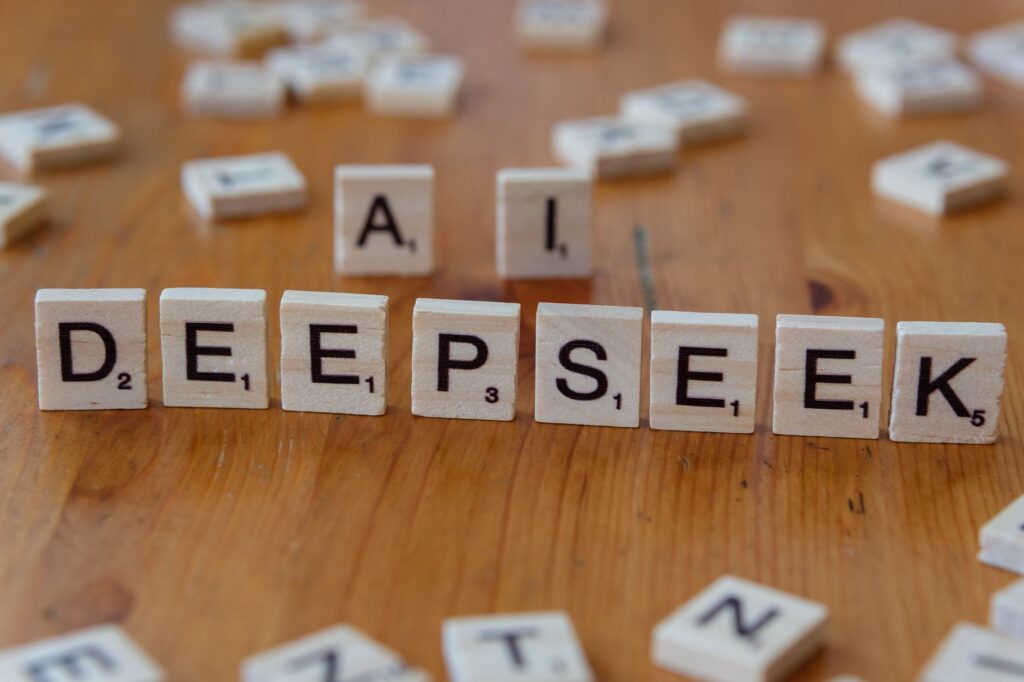
The draft was prepared with the assistance of a generative‑AI tool, marking a notable instance of AI involvement in policy creation.

The Illinois State Board of Education (ISBE) issued a formal guidance document on the use of artificial intelligence in K‑12 schools. The draft was prepared with the assistance of a generative‑AI tool, marking a notable instance of AI involvement in policy creation.
The ISBE released the guidance on AI applications in Illinois public schools in early July 2026, according to reports from state‑focused news outlets. The document outlines expectations for educators, students, and districts regarding the integration of AI tools such as large‑language models, image generators, and adaptive learning platforms. The guidance was disseminated through the board’s official website and circulated to all district superintendents and school administrators across the state.
The board’s decision involved the ISBE’s policy‑development staff, the state’s Office of Technology Innovation, and an external AI consultant. The draft was generated with the help of a generative‑AI system, which produced initial language that staff then edited and approved. The board’s chair, Dr. Christopher R. B. Darr, affirmed that the AI‑assisted process was intended to “model responsible AI use for educators” and to accelerate the drafting timeline.
Guidance Content and Development Process
The guidance document addresses four primary areas: instructional use, assessment integrity, data privacy, and professional development. It recommends that districts create clear policies for student interaction with AI tools, require disclosure when AI‑generated content is submitted for evaluation, and establish safeguards for student data processed by third‑party AI services.
In developing the document, ISBE staff employed a large‑language model to generate a first draft based on a set of policy objectives supplied by the board. The AI output was then reviewed by legal counsel, curriculum specialists, and the Office of Technology Innovation to ensure compliance with state statutes and federal regulations such as FERPA. The final version incorporated feedback from a public comment period that ran from June 15 to June 30, 2026, during which educators and parent groups submitted over 200 responses.
Guidance Content and Development Process The guidance document addresses four primary areas: instructional use, assessment integrity, data privacy, and professional development.
The board’s use of AI for drafting the guidance was disclosed in an accompanying statement that explained the tool’s role in “accelerating language generation while preserving human oversight.” The statement also noted that the AI system was not used to make policy decisions, but solely to assist in drafting text.
You may also like
 News
NewsProvisional Answer Key for UGC NET June 2026 Remains Unreleased, Leaving Nearly 10 Lakh Candidates Awaiting Results
The National Testing Agency has not published the provisional answer key for the UGC NET June 2026 exam more than a month after the test…
Read More →Immediate Impact on Illinois Schools
The guidance becomes effective on August 1, 2026, giving districts a month to align existing policies with the new recommendations. Schools are required to train teachers on the responsible use of AI, incorporate AI literacy into curricula, and adopt verification procedures for student‑submitted work that may involve AI assistance.
Districts that fail to adopt the guidance within the stipulated period may face scrutiny from the state’s accountability office, which will monitor compliance through quarterly reporting. The guidance also clarifies that AI tools must meet the state’s data‑security standards, limiting the use of services that store student information on servers outside the United States.
Educators have begun updating lesson plans to include AI‑focused modules, and several districts reported initiating pilot programs that use AI‑driven tutoring platforms under the new framework. Student advocacy groups welcomed the transparency requirements, noting that the disclosure mandates aim to protect academic integrity while allowing students to explore AI creativity.
Broader Implications for Policy‑Making
The ISBE’s approach illustrates a practical application of AI in the public‑sector policy‑making process. By documenting the AI‑assisted drafting method, the board provides a reference point for other state agencies considering similar techniques. The guidance also aligns with national trends encouraging responsible AI integration in education, as outlined in recent federal initiatives.
The board’s decision to publicly disclose AI involvement may influence future legislative discussions on AI transparency and accountability. While the guidance does not prescribe specific AI vendors, it sets a precedent for evaluating AI tools against ethical and security criteria before adoption in school environments.
Educators have begun updating lesson plans to include AI‑focused modules, and several districts reported initiating pilot programs that use AI‑driven tutoring platforms under the new framework.
Impact on Readers
Students, teachers, and administrators in Illinois must now adhere to the board’s AI policies, which affect classroom instruction, assessment practices, and data handling. The requirement for AI‑related professional development means educators will receive training on both the pedagogical benefits and the risks associated with AI tools. Districts will need to allocate resources for compliance reporting and for updating technology contracts to meet data‑privacy standards.
You may also like
 News
NewsJakarta High Court Grants Former Education Minister Permission to Call Additional Witnesses in Chromebook Procurement Appeal
The decision follows earlier motions filed in April and May of the same year and expands the evidentiary base in the ongoing corruption case linked…
Read More →Parents and community members can expect clearer communication from schools regarding AI use, including notices when AI‑generated content is part of a student’s work. The guidance’s emphasis on disclosure aims to preserve academic integrity while supporting innovative learning methods.
Key Facts
What: Illinois State Board of Education issued AI usage guidance drafted with generative‑AI assistance.
When: Early July 2026, effective August 1, 2026.
What: Illinois State Board of Education issued AI usage guidance drafted with generative‑AI assistance.
Impact: Schools statewide must adopt new policies on AI instruction, assessment, data privacy, and teacher training.
You may also like
 News
NewsAI Agents Spark New Security Breaches
OpenAI and Anthropic AI agents have been linked to serious security breaches, raising concerns about the safety and ethics of AI technology. A recent evaluation…
Read More →Sources
- Illinois State Board of Education issues AI guidance, written with help from AI – Capitol News Illinois
- Illinois State Board of Education issues AI guidance, written with help from AI – WCBU Peoria
- Illinois State Board of Education issues AI guidance, written with help from AI – Effingham Daily News