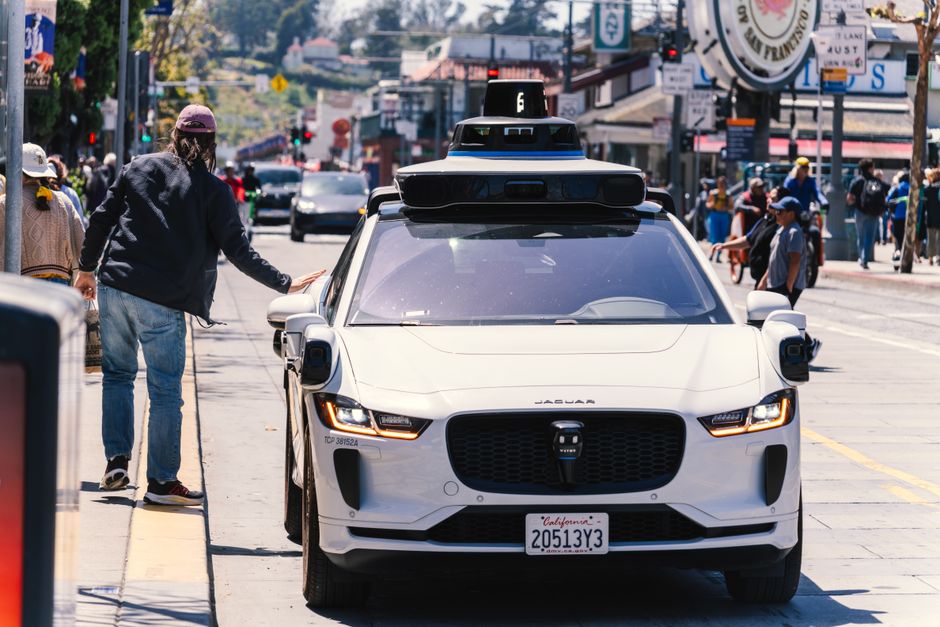
California has enacted new regulations for robotaxi operations, aiming to enhance safety and accountability in the autonomous vehicle sector. Senate Bill 1246, signed by Governor Gavin Newsom, establishes strict guidelines for companies like Waymo and Tesla, mandating improved coordination with emergency responders and imposing penalties for robotaxis that disrupt public safety operations.
This legislation is a response to numerous incidents where autonomous vehicles have obstructed traffic and hindered first responders. As robotaxi deployments increase, the need for clear regulations becomes more pressing. The law is set to take effect in July 2028, marking a pivotal shift in the regulatory landscape for autonomous vehicles.
New Requirements for Emergency Response Coordination
The regulations stipulate that robotaxi companies must actively support first responders during emergencies. This includes notifying local authorities about their vehicles’ status and employing local technicians to assist if their vehicles cause disruptions. Non-compliance may result in penalties, particularly if a robotaxi obstructs emergency services for over 30 minutes.
According to analysis from Career Ahead, this increased scrutiny will likely influence the operational strategies of robotics engineers. They will need to design systems that prioritize passenger safety while ensuring seamless interaction with emergency services. This shift may lead to a greater emphasis on developing advanced communication systems for real-time updates and coordination with first responders.
Moreover, the requirement for remote drivers to be based in the U.S. and possess a valid U.S. driver’s license adds another layer of complexity. This could restrict the talent pool for companies seeking remote operators, potentially increasing operational costs. Robotics engineers must navigate these constraints when developing their technologies.
As these regulations come into effect, they may create a ripple effect across the industry. Other states could look to California’s example, resulting in a patchwork of regulations that complicate robotaxi deployment nationwide. Engineers will need to stay informed about evolving regulations in various jurisdictions to adapt their strategies accordingly.
Other states could look to California’s example, resulting in a patchwork of regulations that complicate robotaxi deployment nationwide.
Funding Challenges for Autonomous Vehicle Startups
The introduction of stringent regulations may also impact funding for autonomous vehicle startups. Investors typically seek clarity and stability when considering funding opportunities. Uncertainty regarding compliance with new laws could make investors hesitant to finance new ventures in the robotaxi sector.
Research from Career Ahead indicates that startups may need to pivot their business models to align with regulatory requirements. This could involve increased investment in compliance and safety technologies, diverting funds from other innovative projects. Startups that proactively meet these regulations may gain a competitive edge in securing funding.
Established companies like Waymo and Tesla may leverage their resources to comply with the new regulations more effectively than smaller startups, potentially widening the gap between established players and new entrants. Rapid innovation will be essential for startups to keep pace.
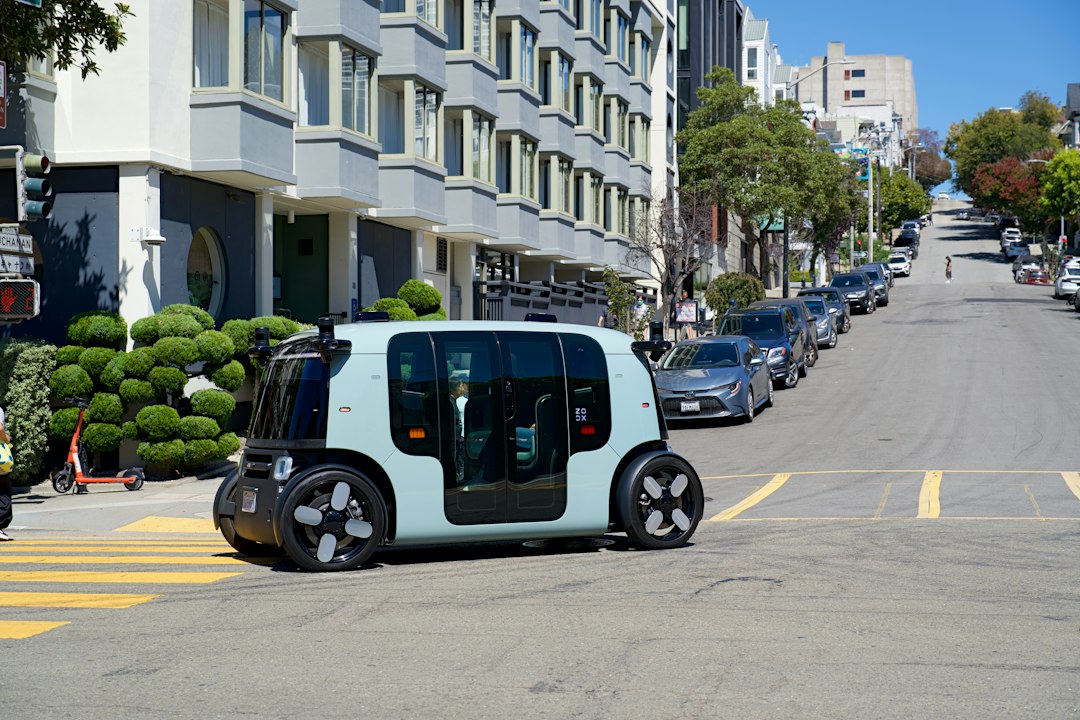
The potential impact on funding is further complicated by shifting public perceptions of robotaxis. As safety concerns grow, public sentiment may influence investor confidence. Companies that effectively communicate their commitment to safety and accountability may attract more investment.
Moreover, how these companies respond to incidents will be crucial in shaping public perception.
Shifting Public Perception of Robotaxis
The new regulations are likely to shape public perception of robotaxis. Incidents involving autonomous vehicles have raised safety and reliability concerns, impacting public trust. The California law aims to address these issues by holding companies accountable for their vehicles’ actions.
As companies implement these regulations, consumer confidence may improve. Demonstrating a commitment to safety through compliance with the new laws could help rebuild public trust. However, this will require ongoing transparency and communication from robotaxi operators.
Moreover, how these companies respond to incidents will be crucial in shaping public perception. If robotaxis cooperate effectively with emergency services and minimize disruptions, it may lead to a positive shift in public views. Engineers will play a key role in ensuring these systems facilitate such interactions.
As robotaxi operations become more visible in urban areas, public sentiment will continue to evolve. Companies that engage with communities and proactively address concerns may find greater acceptance of their technologies.
Future Implications of California’s Robotaxi Regulations
The broader implications of California’s new regulations for the future of robotaxis remain uncertain. Will other states follow suit, or will there be a fragmented approach to regulation? Industry stakeholders will closely monitor the effectiveness of these measures in improving safety and accountability.
As California implements these new regulations, the autonomous vehicle sector must adapt to the changing landscape. The interplay between regulatory compliance, public perception, and technological innovation will shape the future of mobility.
The interplay between regulatory compliance, public perception, and technological innovation will shape the future of mobility.

Frequently Asked Questions
What are the latest regulations affecting robotaxi technology?
California’s Senate Bill 1246 introduces new safety regulations for robotaxi operations, requiring companies to support emergency responders and face penalties for disruptions. These regulations will take effect in July 2028.
How can transportation policy analysts adapt to changes in robotaxi legislation?
Transportation policy analysts should monitor California’s new regulations and assess their impact on safety and public perception. Advocating for consistent regulations across states can help robotaxi companies operate smoothly.
What should robotics engineers consider when designing for regulated environments?
Robotics engineers must prioritize safety and compliance with regulations in their designs. This includes developing communication systems for real-time updates and ensuring vehicles cooperate effectively with emergency services.
Written by Career Ahead AI. AI can make mistakes, so verify key facts. Report errors to support@careeraheadonline.com.