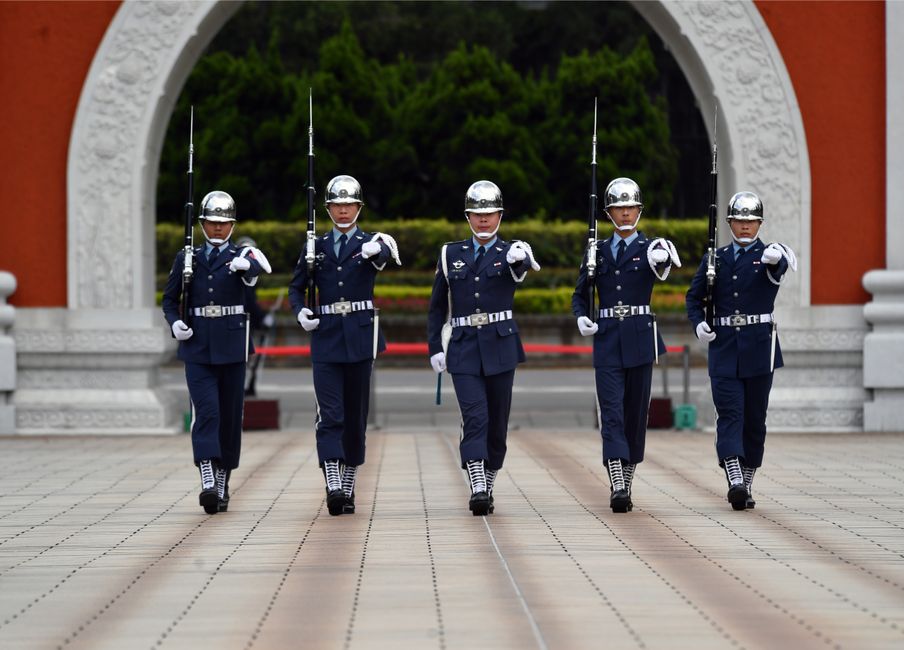
Taiwan’s defense minister announced on October 4, 2026, that the US arms sales policy to the island is unchanged. This statement highlights the US’s commitment to supporting Taiwan amid rising regional tensions. Taiwan faces complex international relations and defense strategies in the Asia-Pacific region.
This declaration is crucial. It reassures Taiwan and its allies of the US’s strong support. The current geopolitical landscape, marked by China’s assertiveness, makes US policy stability essential for Taiwan’s defense and diplomatic efforts.
Significance of US Arms Sales Policy for Taiwan
The US arms sales policy is vital for Taiwan’s defense strategy. It provides military support to counter potential threats from China. Recent discussions revealed that a $14 billion arms package is on hold, but the US’s commitment to arms sales remains strong. According to Career Ahead’s analysis, this stability is key for Taiwan’s defense capabilities.
Additionally, ongoing arms sales help Taiwan improve its military readiness. This readiness is crucial for deterring Chinese aggression, which has increased in the region. The steady flow of arms from the US allows Taiwan to modernize its forces and develop new defense strategies. For example, the US supplies advanced weaponry, including missile systems and fighter jets, vital for Taiwan’s air defense and maritime capabilities.
Career Ahead’s research shows that this situation also impacts Taiwan’s diplomatic negotiations. The assurance of continued US support strengthens Taiwan’s position in international discussions. Diplomats can negotiate with more confidence, knowing the US backs Taiwan’s defense initiatives. As reported by US News, the stability of US arms sales allows Taiwan to engage effectively with partners like Japan and Australia, who share concerns about regional security and China’s military assertiveness.
As noted by The Hindu, the US’s firm stance on arms sales is critical for maintaining a balance of power in the Asia-Pacific, essential for deterring potential Chinese aggression.
Moreover, the unchanged policy fosters regional stability. Other nations observing the US’s commitment to Taiwan may feel encouraged to strengthen ties with Taipei. This can lead to more collaboration on defense and security issues, creating a stronger support network for Taiwan. As noted by The Hindu, the US’s firm stance on arms sales is critical for maintaining a balance of power in the Asia-Pacific, essential for deterring potential Chinese aggression.
Additionally, the US arms sales policy includes training and intelligence sharing, which are vital for enhancing Taiwan’s operational capabilities. This comprehensive support ensures Taiwan is equipped with advanced technology and has the skills to use these systems effectively.
Implications for Defense Contracts and International Trade
The stability of US arms sales to Taiwan directly affects defense contracts in the region. As Taiwan procures military equipment, US defense contractors benefit significantly. This ongoing relationship boosts the US defense industry and enhances Taiwan’s military capabilities. The arms sales policy has led to substantial contracts for US companies, fostering economic ties between the two nations.
Moreover, the arms sales policy influences international trade. Countries involved in defense contracts with Taiwan may navigate complex trade dynamics. As Taiwan increases military procurement, it may seek to diversify suppliers, leading to new trade agreements and partnerships. This diversification is crucial for mitigating risks from over-reliance on a single supplier and enhancing Taiwan’s bargaining power in international negotiations.
Career Ahead’s analysis indicates that Taiwan’s arms procurement strategy may lead to increased collaboration with other nations. Countries like Japan and Australia, concerned about China’s military assertiveness, could strengthen defense ties with Taiwan. This collaboration may result in joint military exercises and technology sharing, further enhancing regional security. The potential for trilateral security arrangements involving the US, Japan, and Taiwan is growing, as all parties recognize the need for a united front against common threats.
Career Ahead’s analysis indicates that Taiwan’s arms procurement strategy may lead to increased collaboration with other nations.
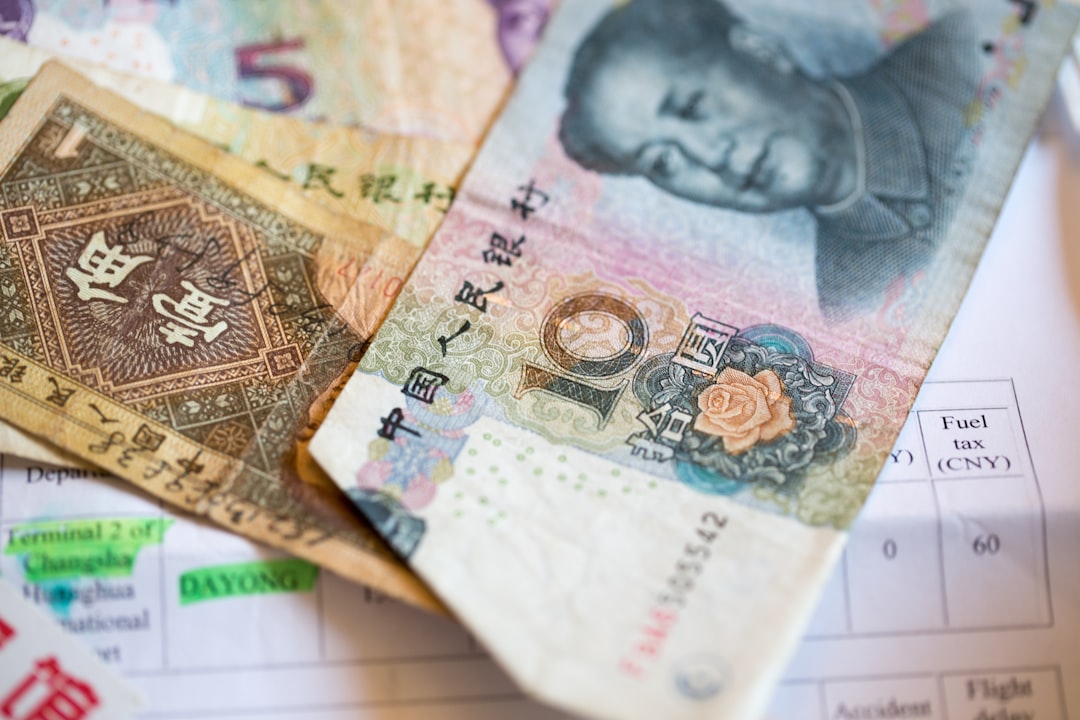
Furthermore, the stability of US policy encourages Taiwanese industries to invest in defense technologies. As the government prioritizes military modernization, local companies may develop advanced weapons systems, creating opportunities for innovation and economic growth. This domestic investment supports Taiwan’s defense needs and stimulates the local economy, potentially leading to job creation in high-tech sectors.
In this context, Taiwan’s defense spending could drive economic activity. The government may allocate more resources to defense contracts, leading to job creation and technological advancements in the local economy. As Taiwan invests in its defense capabilities, it positions itself as a key player in the global defense market, attracting foreign investment and expertise.
Moreover, the implications of US arms sales extend beyond military matters. They encompass diplomatic relations, international trade, and economic partnerships. This makes it essential for diplomats and analysts to stay alert in their assessments. The ongoing developments in US-Taiwan relations will shape the future of the Asia-Pacific region. As tensions rise, the question remains: how will Taiwan adapt its strategies to navigate the changing geopolitical landscape while maintaining its defense capabilities?
Frequently Asked Questions
What are the implications of US policy on Taiwan for international relations?
The stability of US policy on Taiwan boosts its diplomatic standing and reassures allies. This support encourages stronger international collaborations, especially in defense and security matters.
This framework enables them to engage with allies effectively, ensuring cohesive strategies in response to regional challenges.
How does US policy stability affect defense strategies in the Asia-Pacific region?
US policy stability allows Taiwan to maintain and improve its military capabilities, crucial for deterring aggression. This stability influences defense strategies among neighboring countries responding to regional threats.

What should diplomats do in response to the unchanged US policy towards Taiwan?
Diplomats should use the stability of US support to strengthen Taiwan’s position in international negotiations. This framework enables them to engage with allies effectively, ensuring cohesive strategies in response to regional challenges.
Written by Career Ahead AI. AI can make mistakes, so verify key facts. Report errors to support@careeraheadonline.com.