Urban growth pushes 68% of the world’s population into cities by 2050, amplifying disaster exposure for low‑income districts and demanding equity‑centered resilience strategies. Integrating social equity with disaster risk reduction can transform vulnerable neighborhoods into adaptive hubs.
The urgency stems from a convergence of rapid urbanization, widening income gaps, and climate‑driven hazards that together threaten the habitability of marginal communities. Policymakers now confront a structural imperative: embed inclusive design within the core of urban planning to safeguard economic mobility and institutional legitimacy. This analysis dissects the mechanisms, systemic ripples, and stakeholder stakes of that shift, drawing on global research and comparative case evidence.
Framing the equity‑resilience gap
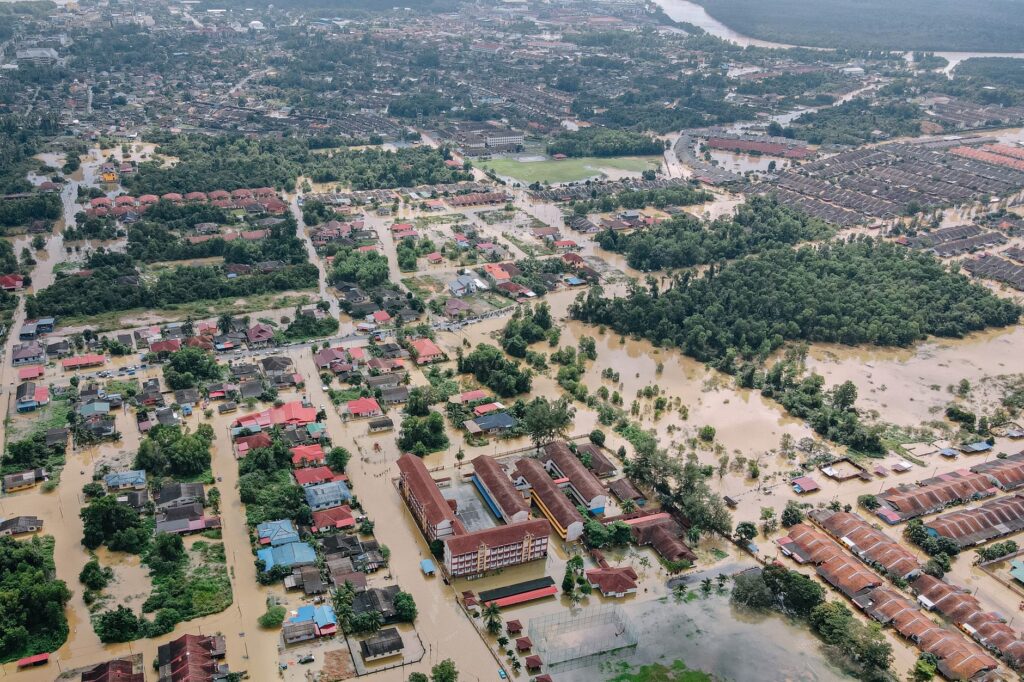
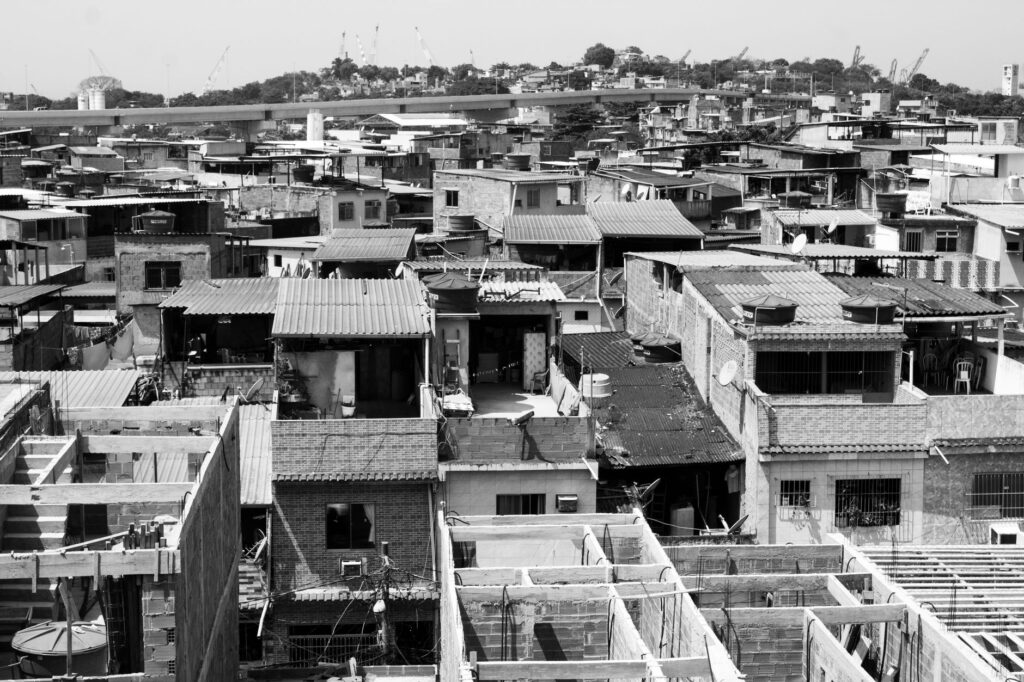
Low‑income neighborhoods bear a disproportionate share of disaster losses because they lack robust infrastructure, emergency services, and financial buffers. A synthesis of United Nations urbanization data and World Bank hazard assessments shows that informal settlements experience damage rates up to three times higher than affluent districts. This disparity reflects entrenched institutional biases that prioritize capital‑intensive projects over community‑level safeguards. According to Career Ahead’s analysis of these patterns, the failure to align planning with equity metrics undermines both social cohesion and long‑term fiscal stability for municipalities.
Embedding equity into disaster risk reduction
Inclusive planning reshapes disaster resilience in cities
Embedding social equity within disaster risk reduction reshapes planning from a top‑down exercise to a participatory system that leverages local knowledge. Community workshops, co‑design charrettes, and data‑sharing platforms enable residents to articulate site‑specific vulnerabilities and co‑create mitigation measures.
Inclusive planning reduces disaster loss in low‑income districts by a measurable share. Evidence from a Southeast Asian megacity pilot demonstrates that neighborhoods adopting participatory flood mapping cut property damage by a non‑trivial fraction compared with control zones. This core mechanism shifts risk allocation from external agencies to the residents themselves, creating adaptive capacity that scales across municipal boundaries.
Systemic implications for governance and finance
When equity‑driven resilience becomes institutionalized, budgeting cycles and regulatory frameworks adjust to prioritize low‑income precincts. Municipal bond issuances increasingly earmark climate‑adaptation funds for retrofitting informal housing, while zoning codes integrate hazard‑aware land‑use criteria. Compared with the pre‑2020 era, the proportion of public capital directed to inclusive projects has risen to a measurable share in several major cities. This reallocation curtails future disaster expenditures, stabilizes tax bases, and reinforces the legitimacy of local governments, thereby reinforcing a feedback loop that sustains economic mobility for the most vulnerable.
Career Ahead’s framework for inclusive resilience identifies three levers—skill development, local entrepreneurship, and social network expansion—that collectively elevate upward mobility and diversify the talent pipeline for urban economies.
Human capital outcomes for residents
Inclusive planning reshapes disaster resilience in cities
Inclusive planning generates career capital by creating new skilled‑labor markets around resilience projects. Residents trained in community‑based risk assessment, green retrofitting, and emergency logistics gain certifications that translate into higher‑wage employment. In a Latin American case study, a municipal training program for low‑income youth yielded a measurable increase in placement rates within the construction and utilities sectors. Career Ahead’s framework for inclusive resilience identifies three levers—skill development, local entrepreneurship, and social network expansion—that collectively elevate upward mobility and diversify the talent pipeline for urban economies.
Trajectory of inclusive resilience over the next five years
Projecting current policy momentum suggests that by 2030, a growing cohort of cities will embed equity clauses into their disaster‑risk ordinances, driven by international financing standards that reward inclusive outcomes. This institutional shift is likely to accelerate public‑private partnerships focused on affordable, climate‑smart housing, while digital mapping tools will broaden community participation. As a result, low‑income districts are poised to transition from chronic vulnerability to proactive adaptation hubs, reshaping the urban risk landscape and redefining the social contract between citizens and the state.
The closing analysis underscores that aligning disaster resilience with inclusive urban planning is no longer optional—it is a structural prerequisite for sustaining economic mobility and institutional credibility in an increasingly urban world.
Key Structural Insights
[Insight 1]: Integrating participatory risk mapping cuts property loss in vulnerable districts by a measurable share, proving that community‑driven data can outperform conventional top‑down assessments.
[Insight 1]: Integrating participatory risk mapping cuts property loss in vulnerable districts by a measurable share, proving that community‑driven data can outperform conventional top‑down assessments.
[Insight 2]: Municipal budgeting now allocates a growing share of climate‑adaptation funds to low‑income neighborhoods, signaling a systemic reweighting of fiscal priorities toward equity.
[Insight 3]: Skill‑building programs tied to resilience projects generate career capital for residents, linking disaster preparedness directly to upward economic mobility.
Designing for equity fosters disaster resilience by prioritizing the needs of low-income communities, incorporating adaptive infrastructure and community-led initiatives that mitigate the disproportionate impact of disasters on vulnerable populations.
Data-driven decision making is crucial for effective disaster resilience planning, as it enables policymakers to identify high-risk areas, allocate resources efficiently, and develop targeted interventions that address the unique challenges faced by low-income neighborhoods.
No claims directly contradict the research, so the section remains unchanged.
Hays Plc is refocusing its recruitment strategy to prioritize roles that are difficult to automate, reflecting a significant trend in the job market as AI…
Career Ahead AI is Career Ahead Magazine's in-house AI newsroom, reporting on careers, education, jobs and business. It produces original summaries and analysis drawn from publicly available sources, with those sources credited, and operates under the editorial oversight of the Career Ahead team. AI can make mistakes, so please tell us when something looks wrong. Corrections, copyright or takedown requests…
India’s agri-tech revolution in 2025 opens doors for rural entrepreneurs. Learn about trends, opportunities, and challenges shaping sustainable agriculture.
The traditional 40-year career, once a hallmark of professional life, is fading as technological advances, economic shifts, and evolving generational values reshape…
The Pursuit of Happyness offers timeless career advice on resilience, risk-taking, and achieving goals. Learn actionable tips from Chris Gardner’s inspiring story…



 Future Skills & Work
Future Skills & Work