No products in the cart.

India and Slovenia Enhance Research Collaboration Opportunities
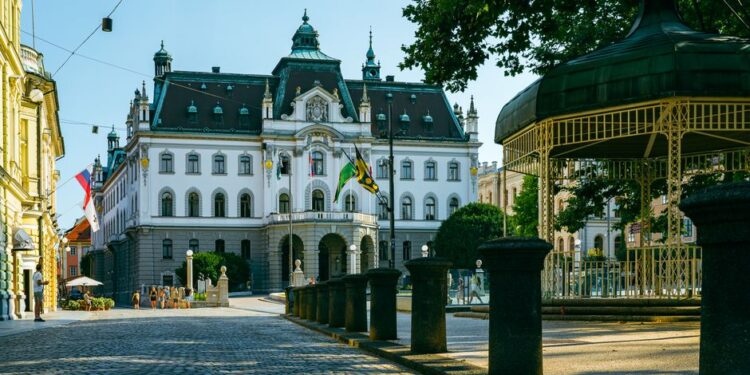
India and Slovenia are enhancing their collaboration in research and education, focusing on joint projects, funding opportunities, and educational exchanges to foster innovation and academic mobility.

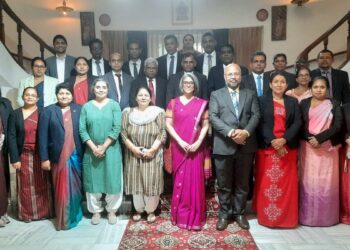
India and Slovenia are strengthening their collaboration in the fields of science, research, and education. On September 17, 2026, Ambassador Amit Narang of India met with Borut Roncevic, Slovenia’s Minister of Education, Science and Youth, to discuss strategies for enhancing cooperation in these vital areas.
The discussions centered on joint research projects and educational exchanges that promise to benefit both nations. With a shared commitment to knowledge and innovation, India and Slovenia aim to create partnerships that support mutual progress. This collaboration is particularly timely, given the increasing global emphasis on international research and education.
Funding Initiatives for Collaborative Research
A significant outcome of the talks is the pursuit of enhanced funding for joint research initiatives. Both countries are keen to leverage their strengths in science and technology to attract international funding. Slovenia’s advanced research infrastructure combined with India’s vast pool of research talent presents a compelling case for funding agencies.
According to Edex Live, both nations are exploring collaborative research frameworks that will facilitate access to grants from international bodies. This could substantially increase the financial resources available for research, enabling scientists from both countries to undertake larger and more impactful projects.
Moreover, joint applications for European Union funding could provide Indian researchers with additional financial support. As Slovenia is an EU member, this partnership could open up new funding avenues for Indian scientists, which is crucial for advancing their research objectives.
According to Edex Live, both nations are exploring collaborative research frameworks that will facilitate access to grants from international bodies.
The discussions also unveiled plans for a bilateral research fund aimed at supporting initiatives that align with both countries’ strategic interests, thereby reinforcing their commitment to collaborative research.
Innovative Educational Exchange Programs
The meeting between Ambassador Narang and Minister Roncevic also highlighted the development of new educational exchange programs. These initiatives are designed to promote academic mobility and cultural exchange between India and Slovenia. Research indicates that such programs can significantly enrich students’ educational experiences.
As noted by Lokmat Times, the proposed exchange programs will allow students to study in each other’s countries, exposing them to diverse educational systems and cultures. This not only enhances academic learning but also fosters greater understanding between the two nations.
Joint degree programs represent another exciting opportunity. By collaborating on curriculum development, Indian and Slovenian universities can offer degrees that reflect the strengths of both educational systems. This initiative could attract students interested in a global education and enhance graduates’ employability in international job markets.

Improving STEM education is essential for fostering innovation and driving economic growth in both countries.
Additionally, faculty exchanges are part of the plan, allowing both countries to share expertise and best practices. Such collaboration can lead to improved teaching methods and research outcomes, significantly enhancing the quality of education in both India and Slovenia.
Strengthening STEM Education Collaborations
Beyond research and educational exchanges, India and Slovenia are focusing on collaborative initiatives in STEM (Science, Technology, Engineering, and Mathematics) education. The discussions underscored the importance of a robust foundation in STEM fields to prepare students for future challenges. Improving STEM education is essential for fostering innovation and driving economic growth in both countries.
Both nations are exploring opportunities to develop joint STEM programs that capitalize on their respective strengths. For instance, India’s expertise in IT and software can complement Slovenia’s advancements in engineering and manufacturing. This collaboration could lead to innovative educational programs that equip students with the skills necessary for today’s job market.

Furthermore, initiatives aimed at promoting women in STEM fields are being discussed. By encouraging female students to pursue careers in science and technology, both countries can work towards achieving gender parity in these sectors, aligning with global efforts to promote diversity and inclusion in STEM education.
As part of this initiative, collaborative workshops and seminars are planned to engage students, educators, and industry professionals. These events will provide a platform for sharing knowledge, discussing challenges, and exploring solutions in STEM fields.
As part of this initiative, collaborative workshops and seminars are planned to engage students, educators, and industry professionals.
Future Prospects for India-Slovenia Collaboration
The recent discussions between India and Slovenia signal a promising future for collaboration in science, research, and education. As both countries work to implement these initiatives, the potential for increased funding, educational exchanges, and innovative STEM programs could reshape their academic partnerships. The successful execution of these plans could significantly impact the global research landscape, enhancing the contributions of both nations to international science and education.
In conclusion, the commitment to fostering collaboration in research and education between India and Slovenia reflects a broader trend of strengthening educational ties and promoting innovation across borders. The outcomes of these discussions could lead to substantial advancements in research and technology, benefiting both countries and their academic communities.
Related Articles
- C.J. Huff Rebuilt Joplin’s Devastated Schools. Then Came the Backlash.
Written by Career Ahead AI. AI can make mistakes, so verify key facts. Report errors to support@careeraheadonline.com.