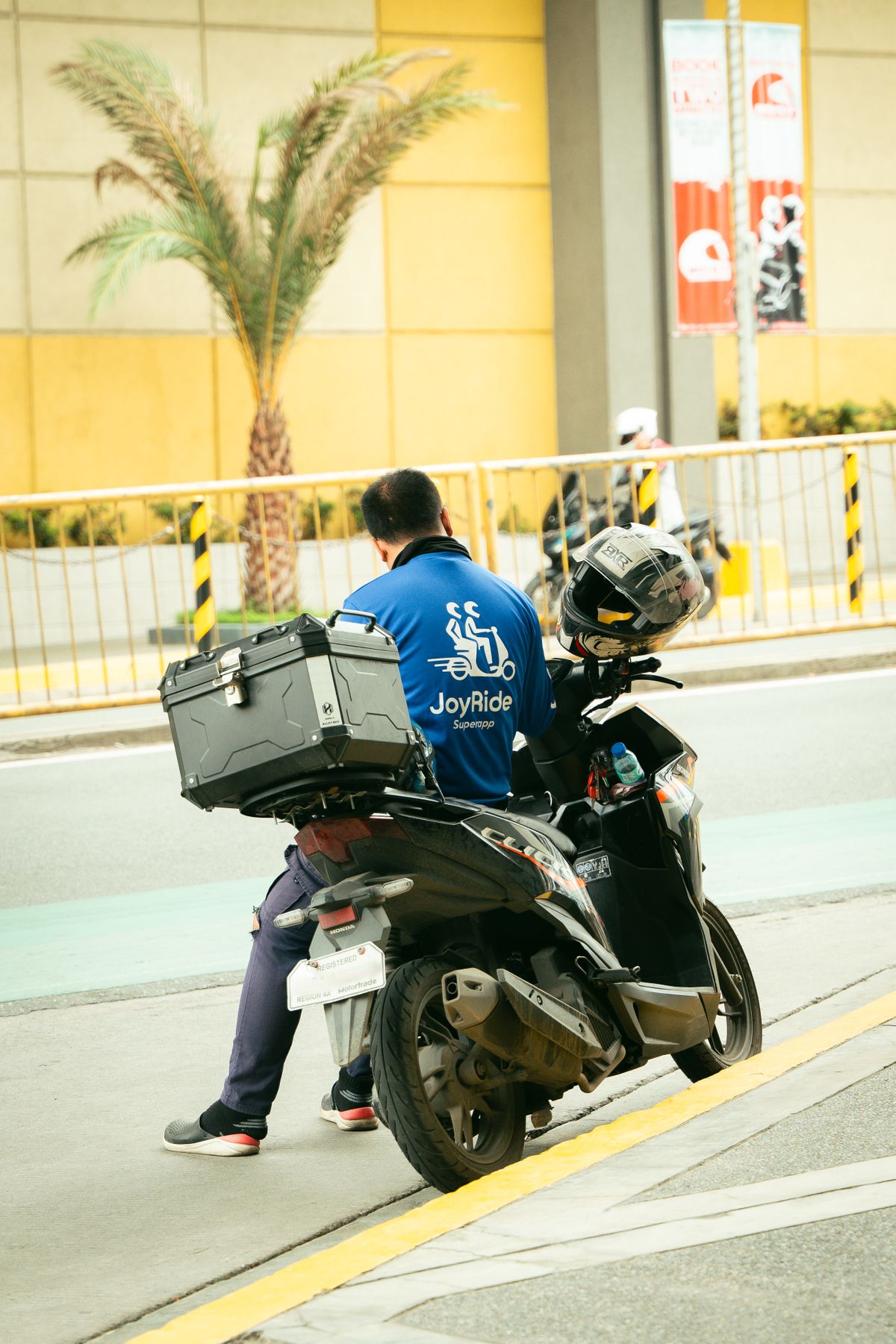
On December 31, 2025, delivery workers for platforms including Zomato, Swiggy, Blinkit, and Zepto shut down operations for five hours in cities across India, the second coordinated stoppage in a week after protests on December 25. Their demands were specific: fair pay after fuel and time costs, an end to unsafe 10-minute delivery pressure, social security, and protection from arbitrary account deactivations set by algorithms.
Nearly four weeks later, the government did something it had never done with this workforce before: it counted them. The Economic Survey 2025-26, tabled with the Union Budget on January 29, 2026, put India’s gig workforce at roughly 12 million in FY2024-25, about 2% of total employment, up from 7.7 million in FY2020-21. What the budget did not bring was a national protection framework that matches the count.
What the new numbers actually say
The Survey’s arithmetic matters for anyone weighing platform work as a career. It projects non-agricultural gig work could reach 6.7% of the workforce by 2029-30, contributing an estimated Rs 2.35 lakh crore to GDP by FY2030, with total gig employment projected near 23 million by 2030. Enumeration, in other words, is an official bet that this segment keeps growing.
The same official record acknowledges the volatility behind the flexibility. Survey evidence cited in budget commentary shows close to 40% of gig workers earning under Rs 15,000 a month, with income swings that keep most outside institutional credit and insurance. The e-Shram registration portal had crossed 312 million registered workers by December 2025, but identifiers are expanding faster than entitlements.
What the new numbers actually say The Survey’s arithmetic matters for anyone weighing platform work as a career.
What the December strikers were pointing at
The strikes crystallized pressures that a new economics research volume documents in unusual detail. The State of Finance in India Report 2024-25, released in December 2025 by the Centre for Financial Accountability with Focus on the Global South, and edited by economists C.P. Chandrashekhar and Jayati Ghosh, dedicates chapters to platform labor and finds earnings that undercut the flexibility pitch.
 Future Skills & Work
AI Is Turning Generalists Into Unemployable Niche Workers
The AI Chronicle’s Gen Z Dilemma report highlights this divide: 75% of tech job postings now require AI fluency, yet only 28% of Gen Z…
Read More →In her chapter, Sabina Dewan of JustJobs Network describes the platform model as symptomatic of hyper-financialization: venture capital funds rapid market dominance, and labor costs are pushed onto workers classified as self-employed rather than employees. Her case study of Zomato’s FY2022-23 filings counts 326,000 active delivery partners against adjusted revenue of Rs 86.9 billion, of which only about a third flowed out as delivery and related charges. Her arithmetic lands at roughly Rs 26 per hour for riders once long waiting shifts are included. That is a company-filing interpretation, not an audited wage number, but it is built from public data.

The volume’s other chapters describe the machinery workers operate under: incentive badges and gamified targets, IDs blocked without notice for dissent or underperformance, ratings that dictate earnings, and algorithms that hold back work near incentive thresholds, which researchers describe as a form of wage theft. Anuradha Ganapathy’s chapter on e-commerce cites ILO data showing women’s participation on online platforms at 21%, the lowest globally, concentrated in beauty and domestic work, while NITI Aayog estimates women are under 10% of India’s gig workforce.
The law that recognizes without protecting
India’s Code on Social Security, 2020 formally brought gig and platform workers into the legal framework, and Budget 2026-27 acknowledged the segment again. Policy analysts at Policy Circle described the budget treatment as symbolic, with little fiscal or institutional follow-through. State-level laws exist: Rajasthan’s 2023 statute mandated tripartite welfare boards, a 1-2% welfare cess on transactions, and automatic registration. Karnataka and Jharkhand have drafted extensions covering fair contracts, algorithmic transparency, and income security, but a national framework remains pending.
The law that recognizes without protecting India’s Code on Social Security, 2020 formally brought gig and platform workers into the legal framework, and Budget 2026-27 acknowledged the segment again.
For readers deciding whether gig work is a fallback or a trap, the honest frame is the gap between enumeration and redistribution. The state now measures the workforce, projects its growth, and still leaves classification, platform contributions, and deactivation rights unresolved. What to watch next: whether the Karnataka and Jharkhand bills become law and spread, and whether the post-strike bargaining produces enforceable rules on pay floors and account decisions rather than another acknowledgment on paper.