No products in the cart.

Indian Youth Continue Education Protests After Police Crackdown in New Delhi
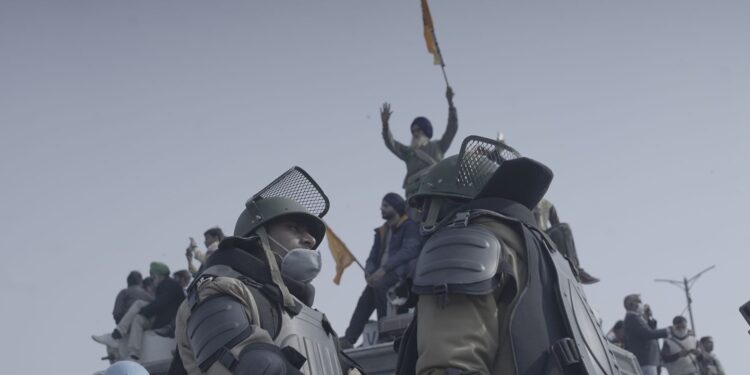
The protests call for the resignation of Education Minister Dharmendra Pradhan and for reforms to address exam-paper leaks and broader shortcomings in the Indian education system.

Thousands of student demonstrators returned to Jantar Mantar on July 21, 2026, after police used tear-gas and force to disperse the crowd the previous day. The protests call for the resignation of Education Minister Dharmendra Pradhan and for reforms to address exam-paper leaks and broader shortcomings in the Indian education system.
The core event unfolded in New Delhi, where a police operation on July 20, 2026, broke up a large gathering of youth protesters at the Jantar Mantar public space. Despite the crackdown, participants re-established a camping site the following day and continued to demand accountability from the Ministry of Education. The demonstrations are organized by the youth-led Cockroach Janta Party (CJP) and have drawn significant participation from Gen-Z students across the country.
Protest Resumption and Police Action
On July 20, 2026, Delhi police deployed tear-gas, water cannons, and physical force to clear a protest camp that had been set up by the CJP at Jantar Mantar. Video footage and eyewitness accounts documented the use of crowd-control measures and reported several injuries among demonstrators [1][3]. The operation was described by the Education Minister as targeting “disruptive elements” linked to the movement demanding his resignation [2].
The following day, July 21, 2026, protesters returned to the same site, re-erecting tents and continuing chants for ministerial accountability. Approximately 3,000 to 4,000 participants were observed by journalists and independent monitors, according to field reports from Reuters and Associated Press correspondents [3][4]. The CJP’s spokesperson reiterated a commitment to maintain the protest until concrete actions on exam-paper security and curriculum reforms are announced. No further police intervention was reported on July 21, allowing the gathering to persist throughout the day [4].
Organizations and Individuals Involved
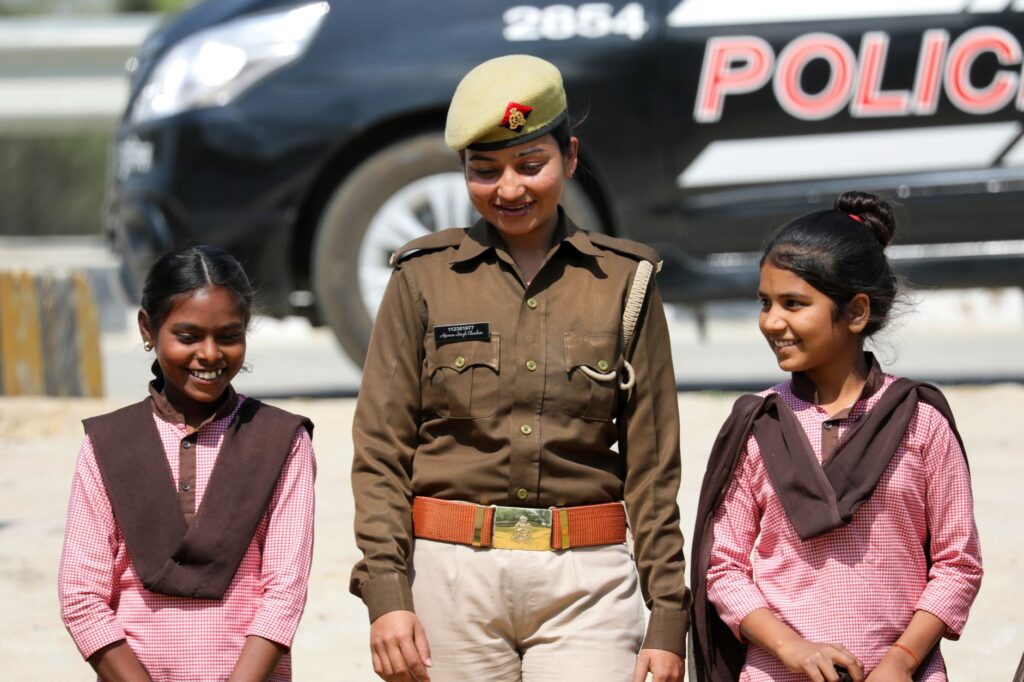
The primary organizers are members of the Cockroach Janta Party, a youth-led collective that emerged in early 2026 following a series of high-profile exam-paper leaks affecting national entrance examinations. The movement’s leadership includes student activists such as Yash Mishra and Shekhar Yadav, who have been quoted in multiple news outlets demanding the resignation of Education Minister Dharmendra Pradhan [2][4].
The Ministry of Education, headed by Pradhan, has faced criticism for perceived lapses in safeguarding examination integrity and for perceived inadequacies in addressing systemic issues such as curriculum relevance and access to quality instruction. The minister’s office issued a statement on July 20, 2026, asserting that law-enforcement actions were necessary to preserve public order and that the government remains committed to “reforming the education sector” [2].
The movement’s leadership includes student activists such as Yash Mishra and Shekhar Yadav, who have been quoted in multiple news outlets demanding the resignation of Education Minister Dharmendra Pradhan [2][4].
Law-enforcement agencies, specifically the Delhi Police, coordinated the July 20 operation under the direction of senior officials tasked with public safety. The police report cited in the New York Times indicated that the operation was conducted in accordance with existing statutes governing unauthorized assemblies [1].
You may also like
 News
News₹3,811 Crore in Mutual Funds Waiting for Claimants
The unclaimed amount has seen a notable increase from ₹3,452 crore in the previous year, with unclaimed dividends rising significantly.
Read More →Background and Process of the Protests
The protests originated in February 2026 after a series of leaked question papers for the Joint Entrance Examination (JEE) and other competitive tests were reported in national media. Student groups organized online petitions and small-scale rallies, which coalesced into larger demonstrations by May 2026. The CJP established a permanent encampment at Jantar Mantar in early June 2026, citing the location’s historical significance for civil-rights movements in India.
The escalation to a police crackdown occurred after the Delhi administration issued a notice on July 19, 2026, ordering the removal of the encampment, citing violations of municipal regulations. The protestors refused to vacate, prompting the police to execute a dispersal operation on July 20, 2026. Despite the use of tear-gas and arrests of several participants, the movement’s decentralized structure allowed rapid re-assembly the next day, demonstrating logistical resilience and sustained mobilization capacity among the youth demographic [1][3][4].
Immediate Impact on Students and Educators
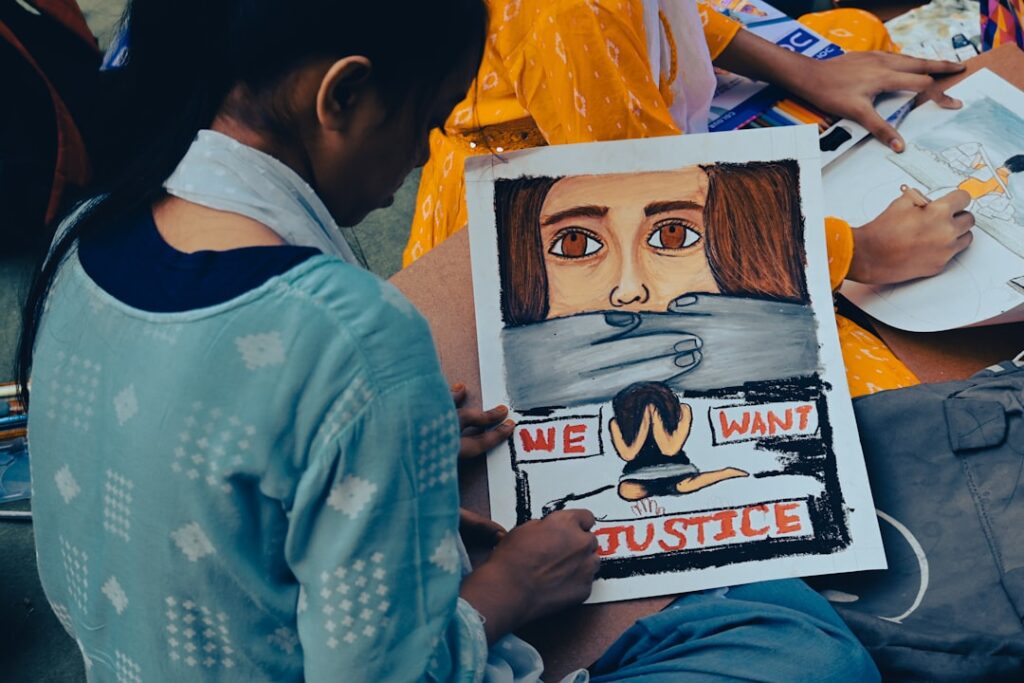
The continuation of the protests has immediate implications for students preparing for upcoming examinations, as campus security measures and police presence may affect access to study spaces near the protest site. Educational institutions in central Delhi reported temporary adjustments to class schedules on July 21, 2026, to accommodate safety concerns and to avoid disruptions caused by large crowds [3].
For educators, the heightened visibility of exam-paper leak issues may prompt accelerated policy reviews within universities and schools. The Ministry of Education has indicated an intent to convene a task force on examination security within the next two weeks, although no formal timetable has been released as of July 22, 2026 [2].
Educational institutions in central Delhi reported temporary adjustments to class schedules on July 21, 2026, to accommodate safety concerns and to avoid disruptions caused by large crowds [3].
The protests also underscore ongoing debates about the right to peaceful assembly in India. Legal analysts have noted that the police actions on July 20, 2026, were challenged in the Delhi High Court, with petitions filed on grounds of excessive force. The outcomes of these legal proceedings could shape future enforcement protocols for public demonstrations [1].
Broader Educational Implications
The demands articulated by the CJP extend beyond immediate grievances about paper leaks to broader calls for curriculum modernization, increased digital infrastructure, and equitable access to quality education across rural and urban areas. If the movement sustains its momentum, policymakers may face pressure to address systemic inequities highlighted by the protests.
You may also like
 News
NewsIIT Delhi Researchers Launch AI System That Turns Movie Subtitles Into Global Literacy Tool
IIT Delhi's new AI system repurposes existing film subtitles into interactive reading lessons, aiming to boost literacy for billions worldwide.
Read More →Stakeholders in the private education sector, including tutoring companies and test-preparation services, have issued statements acknowledging the protests and expressing willingness to cooperate with any forthcoming regulatory reforms. The sector’s response indicates potential shifts in market dynamics should the government adopt stricter oversight of examination processes [2].
The ongoing demonstrations have attracted international media attention, positioning India’s youth activism within a global context of student-led movements advocating for educational reform. Observers note that the scale and persistence of the protests are notable within the nation’s recent history of civil mobilization, though the report refrains from assigning qualitative judgments.
Key Facts
What: Youth-led protests in New Delhi continued after a police crackdown, demanding the resignation of Education Minister Dharmendra Pradhan and reforms to address exam-paper leaks.
The ongoing demonstrations have attracted international media attention, positioning India’s youth activism within a global context of student-led movements advocating for educational reform.
When: Police action on July 20, 2026; protest re-established on July 21, 2026.
Impact: Students and educators face disruptions; potential policy reforms and legal scrutiny of assembly rights are forthcoming.
You may also like
 News
NewsPFC Shares Hit 4-Month Low Amid Weak Earnings
Power Finance Corporation's shares fell over 5% following weak Q1 earnings, raising investor concerns. Despite this, Motilal Oswal maintains a 'Buy' recommendation, indicating potential upside.
Read More →Sources
- India’s Young Protesters Are Bloodied but Unbowed – The New York Times
- India’s Gen-Z protesters demand a proper education – The Economist
- ‘Won’t back down’: Indian student protesters return after police crackdown – Al Jazeera
- India’s youth-led Cockroach movement vows to continue protest after police crackdown – NPR