Anti‑immigration protests that intensified after an unofficial June 30 deadline have forced undocumented migrant families to leave, prompting the KwaZulu‑Natal Department of Education to assess impacts on learner attendance and well‑being.
Anti‑immigration protests that intensified after an unofficial June 30 deadline have forced undocumented migrant families to leave, prompting the KwaZulu‑Natal Department of Education to assess impacts on learner attendance and well‑being.
Protests against illegal migration erupted across South Africa at the start of 2026 and have continued into July 2026, with demonstrators marching in Johannesburg, Durban and other urban centres [3][4]. An unofficial deadline of 30 June 2026 was circulated by anti‑immigration groups, urging undocumented migrants to depart the country [3]. The resulting tension has led to the displacement of immigrant students, many of whom are enrolled in public schools in KwaZulu‑Natal and Gauteng provinces [1][4].
The primary groups affected are undocumented learners from neighboring countries, including Malawi and Nigeria [4][2]. Anti‑immigrant protesters have staged marches that intimidate migrant communities, while humanitarian organisations and regional governments have issued warnings about the safety of migrants [3][2]. The KwaZulu‑Natal Department of Education (KZN‑DoE) has launched a province‑wide assessment to quantify the effect of the unrest on school attendance and student well‑being, coordinating with district managers and school principals [1].
Timeline and Geographic Spread of the Unrest
Anti‑immigration demonstrations began in early 2026, coinciding with a broader wave of civil unrest linked to economic pressures and immigration debates [2]. The first widely reported incident involving migrants occurred on 19 June 2026 in Durban, where Malawian nationals were photographed queuing for deportation at a temporary centre [4]. Two weeks later, on 9 July 2026, Reuters documented a march in Johannesburg following the June 30 deadline, with protesters confronting migrants in the city centre [3].
The protests have been concentrated in major economic hubs, notably Johannesburg in Gauteng province and Durban on the KwaZulu‑Natal coast. The North Coast of KwaZulu‑Natal reported severe labor shortages after migrant workers left the region in response to the deadline, affecting agricultural operations and related local economies [1].
The department assembled a task force comprising district education managers and school principals to compile reports on both documented and undocumented students [1].
In response to the disruptions, the KwaZulu‑Natal Department of Education initiated a systematic review of learner attendance and well‑being across the province [1]. The department assembled a task force comprising district education managers and school principals to compile reports on both documented and undocumented students [1]. Data collection includes attendance registers, incident logs, and surveys of student mental health, aiming to produce a comprehensive impact assessment within the current academic term.
The KZN‑DoE has also issued guidance to schools on handling migrant learners, emphasizing the need to maintain enrolment records while ensuring safety and confidentiality [1]. The department’s approach reflects an effort to balance legal immigration policies with the right to education as enshrined in South Africa’s constitution. No policy changes regarding enrolment eligibility have been announced as of the reporting date.
Immediate Effects on Immigrant Students and Schools
The displacement of migrant families has led to a measurable decline in attendance among undocumented learners in affected districts [1]. Schools in Johannesburg reported a 12 % drop in enrolment of foreign‑national students between May and July 2026, while KwaZulu‑Natal schools noted similar trends, particularly on the North Coast where labour shortages have forced families to relocate [1][4]. Teachers have reported increased anxiety among remaining migrant pupils, citing fears of harassment and potential deportation [1].
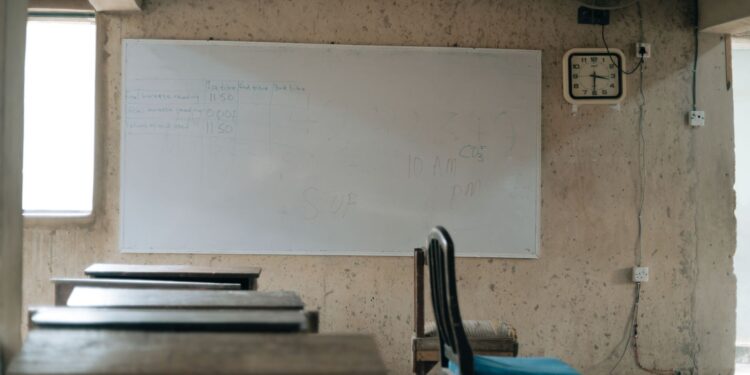
Educational continuity has been disrupted for students who have been forced to abandon their studies mid‑year. Some schools have attempted to provide temporary learning spaces for displaced learners, but resource constraints limit the scale of these interventions [1]. The Department of Education’s ongoing data collection will inform potential remedial measures, such as catch‑up classes or flexible assessment schedules, though no formal programs have been launched yet.
Broader Community and Economic Implications
South African Anti‑Immigration Protests Displace Immigrant Students and Disrupt School Attendance
Beyond the education sector, the protests have contributed to labor market disturbances, especially in KwaZulu‑Natal’s agricultural sector where migrant workers constitute a significant portion of the workforce [1]. Farmers on the North Coast reported a shortage of up to 30 % of their usual labour force after migrants left following the June 30 deadline [1]. This shortage has led to reduced harvest yields and increased operational costs for agribusinesses.
Humanitarian groups and neighboring governments, including representatives from Malawi and Nigeria, have issued statements urging South African authorities to protect migrant rights and ensure access to essential services, including education [3][2]. The ongoing unrest has heightened diplomatic sensitivities in the region, with potential implications for bilateral labour agreements and cross‑border movement policies.
Educational continuity has been disrupted for students who have been forced to abandon their studies mid‑year.
What: Anti‑immigration protests and an unofficial June 30 deadline have displaced immigrant students and prompted a provincial education impact assessment.
When: Protests began early 2026; notable incidents reported on 19 June and 9 July 2026.
Impact: Learner attendance has fallen, schools face safety concerns, and labor shortages affect regional economies.




 News
News
News
 News
News