No products in the cart.

India’s Commodity Derivatives Market Sets Price Trends
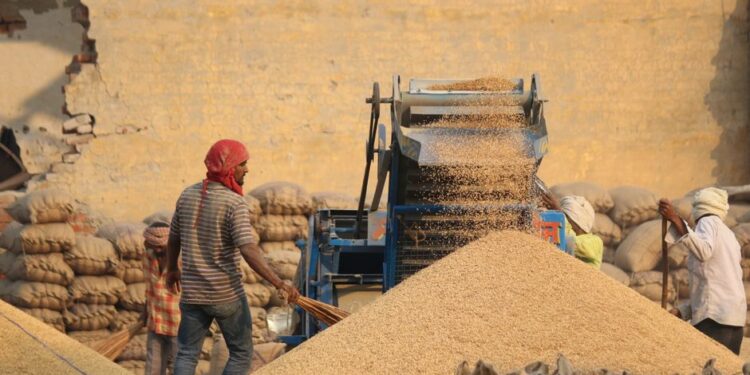
India's commodity derivatives market is transitioning from a price taker to a price setter, impacting traders and analysts significantly.

India’s commodity derivatives market is undergoing a significant transformation. The Securities and Exchange Board of India (SEBI) has proposed allowing foreign portfolio investors (FPIs) to participate in non-agricultural derivatives. This shift aims to help India transition from being a price taker to a price setter in the global commodity market, which is crucial given India’s status as a major importer of commodities such as crude oil, gold, and industrial metals.
The proposed changes are designed to connect the domestic market with global financial systems, enhancing liquidity and depth in trading. As the market evolves, commodity traders, financial analysts, and risk managers will need to adapt to these new dynamics to thrive in a more competitive environment.
Empowering Local Traders Through Global Integration
The inclusion of FPIs in India’s commodity derivatives market is expected to significantly boost the influence of local commodity traders. By integrating with global markets, Indian traders can benefit from improved liquidity and enhanced price discovery mechanisms. This change could foster a more competitive trading environment, allowing local traders to hedge against global price fluctuations more effectively.
Recent data indicates that the average daily turnover for the Multi Commodity Exchange (MCX) has surged, reaching ₹10.5 lakh crore in the first quarter of FY27. This growth reflects a rising interest in commodity derivatives, partly driven by the anticipated influx of FPIs. The participation of more institutional investors is likely to deepen the market, enabling traders to execute larger transactions with minimal price impact.
Furthermore, with FPIs engaging in contracts for commodities like gold and crude oil, local traders will have increased opportunities to influence pricing. This shift not only empowers traders but also positions India as a significant player in the regional commodity market, potentially affecting pricing benchmarks that are currently dominated by U.S. and European exchanges. According to a report by The Hindu, this transformation could lead to India establishing its own pricing benchmarks, marking a pivotal shift in the global commodity landscape.
This growth reflects a rising interest in commodity derivatives, partly driven by the anticipated influx of FPIs.
Adapting Analytical Approaches for Financial Analysts
You may also like
 Industry & Global Trends
HFCL Stock Rises Amid AI, Defence Demand
HFCL's stock has tripled in the last six months, driven by a surge in orders for artificial intelligence and defence, indicating a growing demand for…
Read More →The transition to a price-setting environment necessitates that financial analysts adopt new analytical approaches. Traditional models based on historical price data may no longer suffice in a landscape where global influences are paramount.
Research indicates that analysts must incorporate a broader range of variables into their models, including geopolitical risks, currency fluctuations, and shifts in global supply chains. For instance, understanding how U.S. Federal Reserve policies or geopolitical tensions in oil-producing regions might impact commodity prices in India will be essential for accurate forecasting. This holistic approach will enable analysts to provide more precise insights for traders and investors.
Additionally, monitoring the impact of FPIs on market dynamics will be crucial. Financial analysts will need to track FPI inflows and their effects on price movements, as well as gauge foreign investors’ overall sentiment toward Indian commodities. This data will be vital for making informed trading decisions and advising clients on risk management strategies. As highlighted by The Hindu, the anticipated influx of FPIs will reshape the trading landscape, making it imperative for analysts to stay ahead of market trends.

Reevaluating Risk Management Strategies
For risk managers, the shift to a price-setting market will require a reevaluation of risk assessment techniques. The entry of FPIs may lead to increased price volatility, which could significantly impact agricultural producers and consumers. Analysts suggest that risk managers will need to implement more sophisticated strategies to navigate these new dynamics effectively.
This includes utilizing options and futures contracts more effectively to hedge against price fluctuations. Understanding the implications of foreign participation will be key to developing these strategies. Moreover, risk managers must remain vigilant about potential speculative trading, as the involvement of large international players could lead to rapid price swings that may not accurately reflect underlying supply and demand.
This includes utilizing options and futures contracts more effectively to hedge against price fluctuations.
Establishing robust monitoring systems to track market conditions and investor sentiment will be essential. Collaboration with financial analysts will also be crucial, as joint efforts can lead to comprehensive strategies that align market insights with risk management practices. This partnership will help ensure that agricultural stakeholders are prepared for the complexities of a more interconnected commodity market.
You may also like
 Industry & Global Trends
Wall Street’s $10 billion India hospital bet sparks a fight over bills | Career Outlook
Wall Street's $10 billion investment in Indian hospitals raises concerns about rising healthcare costs and access to care, mirroring challenges in the U.S. healthcare system.
Read More →
Future Prospects for India’s Commodity Market
The evolving landscape of India’s commodity derivatives market presents both challenges and opportunities. As the country transitions from a price taker to a price setter, all stakeholders must adapt their strategies to succeed in this new environment. The implications of these changes extend beyond immediate trading practices; they could enhance India’s economic stability and growth potential in the global commodity market.
How India manages this transition will ultimately determine its influence in the global commodity landscape. The successful integration of FPIs and the establishment of robust market practices will be critical in shaping the future of India’s commodity derivatives market.

Frequently Asked Questions
What strategies should commodity traders adopt in a price-setting environment?
Commodity traders should focus on leveraging improved liquidity and developing hedging strategies that consider global price influences. They must also stay adaptable to market volatility driven by foreign participation.
Risk managers should adopt more sophisticated hedging strategies, using options and futures contracts effectively.
How can financial analysts leverage new market dynamics?
Financial analysts can enhance their models by including geopolitical risks and currency fluctuations. They should also monitor foreign investor sentiment to better understand market movements and provide accurate forecasts.
What risk management practices should risk managers in agriculture implement?
Risk managers should adopt more sophisticated hedging strategies, using options and futures contracts effectively. They must also establish monitoring systems to track market conditions and investor sentiment to reduce potential volatility.
You may also like
 Industry & Global Trends
Cygni Energy, Indus Towers Unite for Telecom Energy Storage
Cygni Energy and Indus Towers have signed a Memorandum of Understanding to develop energy storage solutions for telecom infrastructure, marking a significant step towards sustainability…
Read More →