No products in the cart.

India’s Declining Imports from China: A Shift in Trade Dynamics

India's imports from China have significantly declined across multiple sectors, indicating a shift in trade dynamics. This article explores the implications for various industries and job markets.

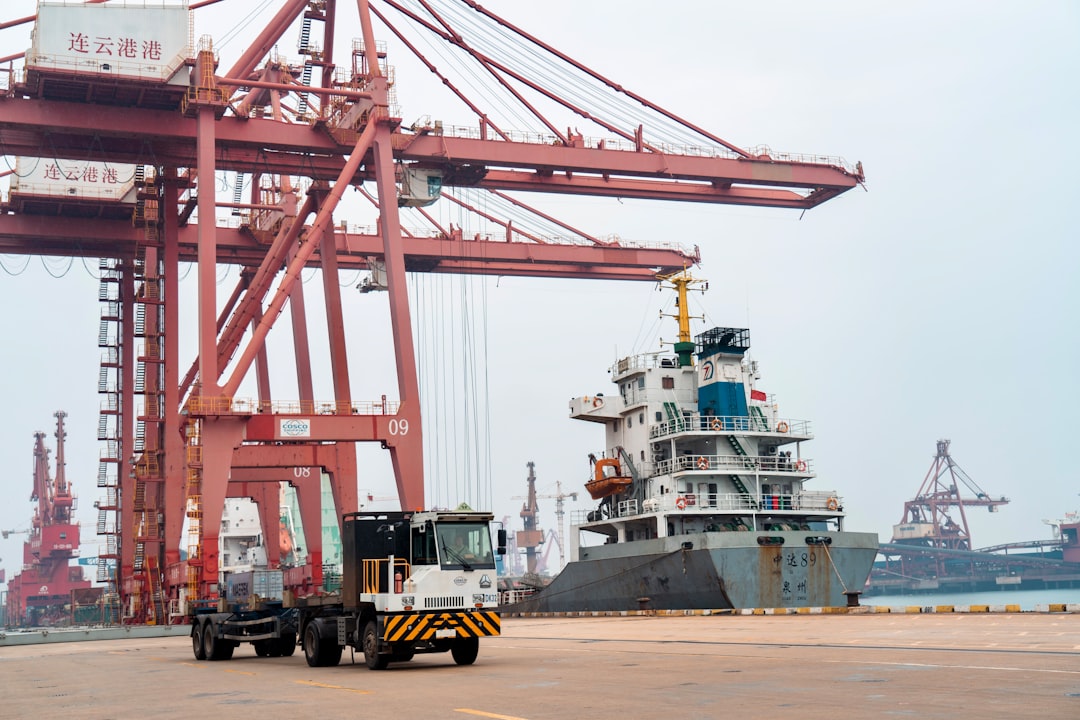
Mumbai, India — India’s imports from China have seen a significant decline across various sectors, signaling a shift in trade dynamics that could impact local industries and job markets. According to the Commerce and Industry Ministry, imports from China fell sharply in 2024-25, particularly in key sectors like fertilizers, chemicals, iron and steel, and man-made yarn. This drop is noteworthy, especially as mobile phone imports plummeted from ₹48,609 crore in 2014-15 to just ₹3,710 crore in 2024-25, while mobile phone exports surged to over ₹2,05,017 crore in FY25 from a mere ₹1,566 crore in FY15.
The implications of this trend are profound for India’s economy. The reduction in imports suggests a growing self-reliance in manufacturing and a possible shift towards domestic production. This is a critical moment for Indian manufacturers and workers alike, as the government takes steps to bolster local industries and reduce dependency on foreign goods.
Furthermore, this decline in imports aligns with the Indian government’s broader strategy to enhance domestic manufacturing capabilities. The “Make in India” initiative has been a cornerstone of this strategy, encouraging local production and innovation. As imports from China decrease, Indian companies may find new opportunities to fill the gaps left by foreign products, potentially leading to job creation and economic growth.
Why Imports from China Are Declining
Several factors contribute to the decline in imports from China. First, there is an increasing push from the Indian government to promote local manufacturing. The government has implemented various policies aimed at reducing reliance on imports, including tariffs and incentives for domestic producers. For example, the government recently extended the Import Management System (IMS) for electronic devices, further regulating imports to encourage local manufacturing.
Additionally, geopolitical tensions between India and China have led to increased scrutiny of Chinese products. Many Indian consumers and businesses are now more cautious about sourcing goods from China due to concerns over quality and reliability. This shift in consumer sentiment is prompting Indian companies to seek alternatives, which may include sourcing from local or other international suppliers.
For example, the government recently extended the Import Management System (IMS) for electronic devices, further regulating imports to encourage local manufacturing.
You may also like
 Government & Policy
8th Pay Commission Stakeholder Meetings Begin
The 8th Pay Commission is conducting stakeholder meetings to discuss salary and pension revisions for over 1 crore central government employees and pensioners, with key…
Read More →Moreover, the COVID-19 pandemic has accelerated the trend towards localization. Supply chain disruptions during the pandemic highlighted the vulnerabilities of relying heavily on imports. As a result, many businesses are now prioritizing local suppliers to ensure more resilient supply chains.
According to a report from the Economic Times, the decline in imports has been observed across various sectors, with significant drops in mobile phone imports and other consumer goods. This trend not only reflects changing trade dynamics but also indicates a potential shift in consumer behavior towards supporting local industries.
How This Affects Job Markets and Industries
The reduction in imports from China has several implications for India’s job market and industries. For entry-level workers, particularly in manufacturing and assembly roles, there may be new opportunities as companies ramp up local production to meet demand. This could lead to an increase in hiring within sectors that have traditionally relied on imports.
Mid-career professionals may find themselves in a favorable position as companies seek skilled workers to develop and innovate local products. The demand for engineers, product managers, and supply chain experts is likely to rise as companies expand their operations to fill the gaps left by Chinese imports.
Mid-career professionals may find themselves in a favorable position as companies seek skilled workers to develop and innovate local products.
Career switchers, particularly those with skills in technology and manufacturing, may also benefit from this trend. As companies invest in local production, there will be a growing need for workers who can adapt to new technologies and processes. Upskilling and reskilling programs will be crucial for these individuals to remain competitive in the evolving job market.
You may also like
 Entrepreneurship & Business
D-Mart Q2 revenue rises 18% to Rs 19,206 cr; store count at 518
D-Mart's Q2 revenue rose 18% to Rs 19,206 crore, reflecting a strong growth trend in India's retail sector. The company's expansion to 518 stores indicates…
Read More →The overall impact on salaries is yet to be fully realized, but there is potential for wage growth in sectors that see increased demand for local production. As companies compete for skilled labor, we may witness upward pressure on salaries, particularly in high-demand fields.
Positioning Yourself for Opportunities in Local Manufacturing
- Upskill in Relevant Areas: Consider taking courses in manufacturing technologies, supply chain management, or product development to enhance your employability.
- Network with Local Industries: Attend industry events and connect with local manufacturers to learn about job openings and trends in the market.
- Stay Informed on policy changes: Keep an eye on government initiatives that may affect local manufacturing, as these can create new job opportunities.
However, experts warn that this trend may not be sustainable in the long term. A recent analysis suggests that while the push for local manufacturing is strong, it may face challenges such as the need for advanced technology and skilled labor. Furthermore, reliance on local supply chains can also lead to vulnerabilities if not managed properly.
The Future of India’s Trade Dynamics
Looking ahead, the future of India’s trade dynamics will likely be shaped by the ongoing efforts to promote local manufacturing and reduce dependency on imports. As the government continues to implement policies aimed at fostering domestic industries, we may see a further decline in imports from China.
Additionally, as Indian consumers increasingly favor local products, businesses may need to adapt their strategies to meet changing preferences. This could lead to innovation and the development of new products tailored to the Indian market.
Additionally, as Indian consumers increasingly favor local products, businesses may need to adapt their strategies to meet changing preferences.
Ultimately, the question remains: How will Indian industries evolve in response to these changes, and what new opportunities will emerge for the workforce as the landscape shifts towards greater self-reliance?
You may also like
 Entrepreneurship & Business
Food firms flock to yeast protein as whey prices rise
As whey protein prices soar, food companies in India are increasingly turning to yeast protein to diversify their offerings and meet changing consumer preferences.
Read More →