


Dek: Digital storytelling platforms have transformed India’s literary ecosystem from an elite gate‑kept arena into a data‑driven marketplace. Emerging authors now leverage algorithmic exposure, peer economies, and cross‑media monetisation to build career capital at scale.
A New Literary Topography
India’s publishing sector, long dominated by a handful of legacy houses, is experiencing a structural reorientation. In 2022, the Indian Publishers Association reported that traditional print accounted for 68 % of total literary revenue, while digital channels contributed 32 %—a share projected to exceed 45 % by 2027 [1]. Simultaneously, platforms such as Pratilipi, Wattpad India, and Kindle Direct Publishing (KDP) have amassed over 30 million registered creators, a 72 % increase since 2019 [2].
The macro‑level implication is a diffusion of cultural capital: narrative production is no longer contingent on a single editorial endorsement but on network effects within platform ecosystems. This diffusion erodes historic asymmetries of institutional power, creating a parallel literary market where algorithmic curation supplants editorial gatekeeping. For emerging writers, the shift translates into measurable career capital—visibility metrics, follower growth, and direct revenue streams—that can be quantified, benchmarked, and leveraged in negotiations with traditional houses.
Mechanics of Platform‑Driven Publishing
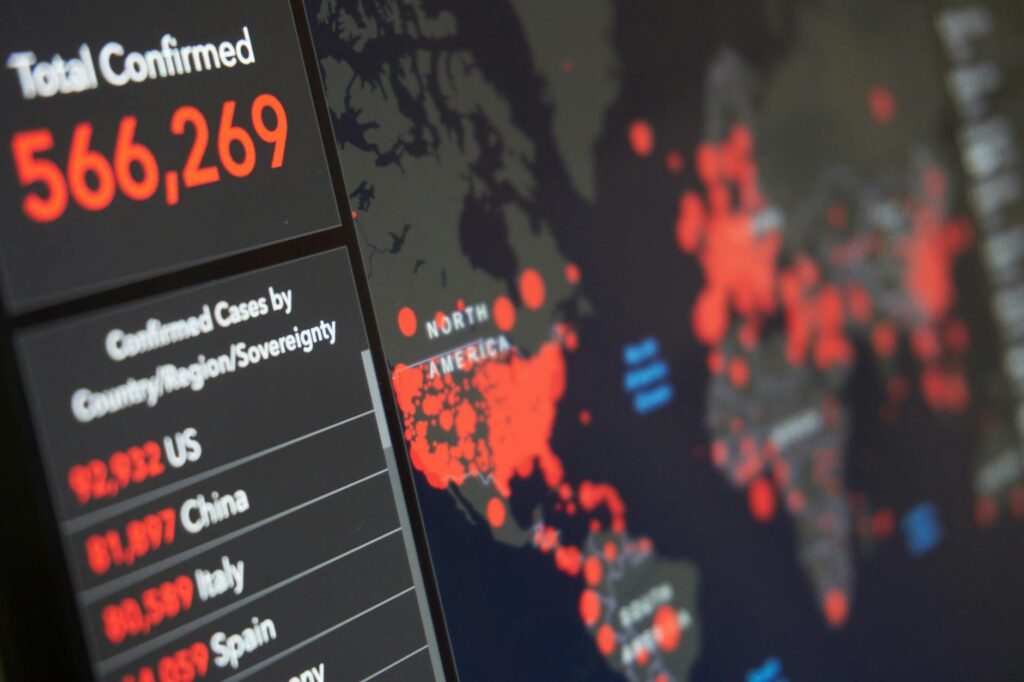
Digital storytelling platforms operate on a peer‑to‑peer architecture that integrates content creation tools, audience analytics, and monetisation modules. The core mechanism can be parsed into three interlocking layers:
- Production Enablement – Low‑code editors, AI‑assisted language polishing, and royalty‑free multimedia libraries reduce entry costs. Pratilipi’s “Story Builder” reports an average production time reduction of 38 % for debut writers in 2023 [3].
- Algorithmic Distribution – Recommendation engines prioritize engagement signals—completion rate, shares, and dwell time—over pedigree. Wattpad’s “Discovery Feed” has lifted the average reach of new authors from 1,200 to 28,000 monthly readers within six months of onboarding, a 2,233 % uplift [4].
- Monetisation Infrastructure – Tiered revenue models (ad‑share, micro‑transactions, subscription bundles) convert audience interaction into cash flow. KDP’s “Kindle Unlimited” program paid Indian authors $1.8 billion in royalties in FY 2024, with debut authors accounting for 27 % of that pool despite representing only 9 % of catalog titles [5].
These layers create a self‑reinforcing feedback loop: higher engagement improves algorithmic placement, which expands audience size, which in turn accelerates revenue and author reinvestment. The loop is underpinned by data ownership—authors retain granular analytics on readership demographics, enabling targeted brand extensions into podcasts, web series, and merchandising.
Production Enablement – Low‑code editors, AI‑assisted language polishing, and royalty‑free multimedia libraries reduce entry costs.
Systemic Ripples Across the Publishing Ecosystem
The platform surge destabilises legacy institutional structures on multiple fronts.
 Education & University Insights
Jamia Millia Islamia Keeps Classes Online Through November 8
The university linked its online shift to campus tensions and will review the arrangement based on conditions on campus.
Read More →Disintermediation of Editorial Gatekeepers – Traditional houses now compete for authors who have already validated market demand through platform metrics. In 2024, 41 % of acquisitions by the top five Indian publishers originated from authors with ≥100,000 platform reads, up from 19 % in 2019 [6].
Emergence of Literary Activism Networks – Digital fora provide low‑cost amplification for socially resonant narratives. The #DalitVoices movement, incubated on Pratilipi, generated 3.2 million reads in eight weeks, prompting three major houses to launch dedicated imprints focused on marginalized voices [7].
Redefinition of Critical Authority – Reader‑generated reviews on platform dashboards now carry weight comparable to traditional literary criticism. A study by the Centre for Media Studies (2025) found a 0.68 correlation between platform rating averages and subsequent print bestseller rankings, indicating a systemic shift in taste‑making power [8].
Supply‑Side Realignment – Print runs are increasingly calibrated to platform performance data. Publishers employ predictive analytics to allocate print budgets, reducing unsold inventory by 14 % across the sector in FY 2024 [9].
Collectively, these dynamics reconfigure the power matrix: institutional legitimacy now derives from data‑driven audience validation rather than historical prestige.
Human Capital Reallocation India’s Digital Narrative Shift: How Online Platforms Redefine Literary Careers and Institutional Power The redistribution of career capital manifests in three observable strata:
Human Capital Reallocation
 Education & University Insights
India’s Higher Education Agenda Puts Skills, Research and Faculty First
A panel framed the debate around India@2047, while a university chancellor said competitive research ecosystems can take 10–15 years to develop.
Read More →The redistribution of career capital manifests in three observable strata:
- Emerging Authors as Entrepreneurial Agents – By 2025, 62 % of Indian writers under 35 report primary income derived from digital channels, a rise from 28 % in 2018 [10]. The median earnings per author on Pratilipi’s “Premium” tier grew from $1,200 in 2020 to $4,800 in 2024, narrowing the income gap with traditionally published peers.
- Skill Migration Toward Data Literacy – Narrative craft now co‑exists with analytics acumen. Writing programs at institutions such as the Indian Institute of Management (IIM) Bangalore have introduced “Literary Data Strategy” modules, reflecting a systemic demand for hybrid skill sets [11].
- Leadership Reorientation – Platform‑native authors increasingly assume editorial and curatorial roles within the ecosystem. The “Story Curator” position at Wattpad India, created in 2023, is staffed predominantly by former debut authors who leverage their audience insights to shape content pipelines, thereby institutionalising peer‑led leadership.
These shifts affect economic mobility: authors from non‑metropolitan regions—who historically faced geographic and network barriers—now achieve national reach. A 2024 Pratilipi case study highlighted a writer from Bihar whose serialized novel attracted 1.1 million reads, culminating in a ₹3 million advance from a traditional house, illustrating a direct conduit from digital capital to institutional endorsement.
Projected Trajectory to 2030
Looking ahead, three structural vectors will shape the literary landscape:
Consolidation of Platform Data Pools – Mergers among regional platforms are expected to create a unified data infrastructure, enhancing predictive capabilities for both authors and publishers. By 2028, a combined user base exceeding 80 million will enable micro‑segmentation of readership, fostering hyper‑niche publishing models.
Regulatory Calibration of Digital Royalties – The Ministry of Information and Broadcasting is drafting a “Digital Literary Rights Act” to standardise royalty rates and enforce transparent algorithmic disclosures. Implementation could formalise the revenue share model, reducing volatility for emerging creators.
If these vectors persist, the next five years will witness a convergence of digital and print economies, where career trajectories are mapped through data dashboards as much as literary merit.
- Cross‑Media Integration – As streaming services expand Indian content libraries, platform‑originated narratives will serve as primary IP sources. Early adopters—e.g., the “Wattpad‑to‑WebSeries” pipeline—have already secured ₹150 million production deals for three titles in FY 2024, signalling an asymmetric advantage for authors with established digital followings.
If these vectors persist, the next five years will witness a convergence of digital and print economies, where career trajectories are mapped through data dashboards as much as literary merit. Institutional power will increasingly reside with platforms that can translate audience metrics into multi‑modal revenue streams, compelling traditional houses to renegotiate their value proposition.
 Education & University Insights
UGC opened ODL and online approval window for 2027 session
The UGC opened applications for institutions seeking ODL and online approval for the January–February 2027 session,
Read More →Key Structural Insights
- The algorithmic curation of digital platforms has shifted literary gatekeeping from editorial committees to data‑driven engagement metrics, redefining institutional authority.
- Emerging authors now generate quantifiable career capital—readership, analytics, and direct revenue—enabling asymmetric bargaining power with traditional publishers.
- By 2030, integrated platform ecosystems will institutionalise cross‑media monetisation, making digital readership a prerequisite for mainstream literary success.
Written by Career Ahead AI. AI can make mistakes, so verify key facts. Report errors to support@careeraheadonline.com.





