No products in the cart.

India’s Education Spending Lags Behind UNESCO Benchmark

India's education spending is currently at 14.2% of total government expenditure, falling short of UNESCO's recommended 15%. This shortfall raises concerns about educational quality and future workforce readiness.

India’s education spending currently stands at 14.2% of total government expenditure, which is below UNESCO’s recommended benchmark of 15%. This funding shortfall has serious implications for educational outcomes and policy effectiveness. Education budget planners and policy analysts must explore how India can align its spending with international standards.
Recent data indicates that India allocates 4.1% of its GDP to education, meeting the minimum requirement set by UNESCO. However, the decline in education’s share of total government expenditure—from 15.7% in 2015 to 14.2% today—raises significant concerns. This trend suggests that even though India meets the GDP benchmark, it is not prioritizing education funding adequately, which could hinder progress toward educational targets.
Consequences of Insufficient Education Funding
The implications of India’s education spending falling below the UNESCO benchmark are profound. A lower allocation to education affects both the quality of education and the effectiveness of educational policies. Countries with higher education spending often achieve better educational outcomes, including higher completion rates and improved literacy levels.
For instance, the lower-secondary completion rate in India is currently 86%, which is significantly below the 2025 target of 99%. This gap indicates that many students are not receiving the education they need to succeed. Additionally, the upper-secondary completion rate is only 51%, while the target is 84% by 2025. Such statistics underscore the urgent need for increased funding and strategic planning to enhance educational access and quality.
In comparison, other emerging economies like Brazil and South Africa allocate a larger portion of their GDP to education. Brazil invests 5.6% of its GDP, while South Africa allocates 6%. This contrast highlights the necessity for India to reevaluate its funding strategies and aim to meet and exceed UNESCO’s benchmarks. A report by the Economic Times indicates that the decline in education spending is alarming and could lead to stagnation in educational progress, widening the gap between India and its global counterparts.
As educational outcomes worsen, the workforce may lack essential skills, adversely affecting economic growth and development.
You may also like
 Education & University Insights
MP Extends College Admissions
Madhya Pradesh has reopened college admissions from August 10 to August 14, 2026, allowing students to secure their places for the upcoming academic session amid…
Read More →Moreover, the decline in education spending could create a cycle of underinvestment. As educational outcomes worsen, the workforce may lack essential skills, adversely affecting economic growth and development. Addressing this funding gap is crucial for India’s future economic stability. The UNESCO Institute for Lifelong Learning warns that without adequate investment in education, India risks jeopardizing its immediate educational goals and long-term economic prospects.
Potential Solutions for Increasing Education Investment
To align with UNESCO’s benchmarks, India must explore various strategies to increase education funding. One effective approach is to enhance public-private partnerships in the education sector. By leveraging private investment, the government can improve educational infrastructure and resources.
Additionally, reallocating existing government resources could prove beneficial. For example, reducing spending in less critical areas could free up funds for education. This requires a thorough analysis of current spending patterns and prioritizing education as a key driver of economic growth.
Implementing targeted tax incentives for businesses that invest in education can also attract more funding. Countries like Sweden have successfully utilized such strategies, leading to higher education quality and better student outcomes. Adopting similar measures in India could significantly boost educational funding.
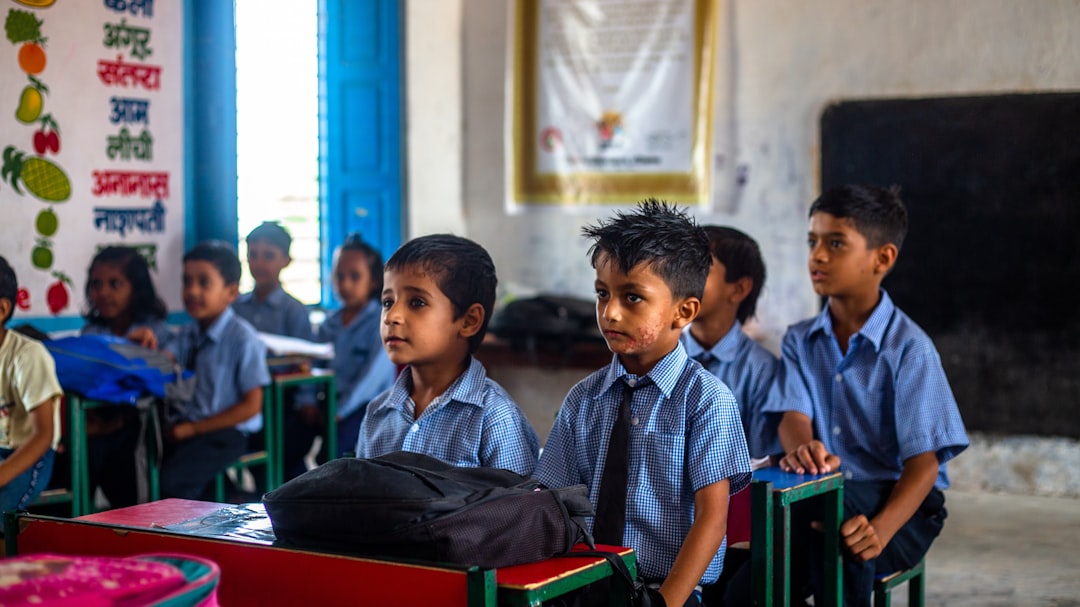
The future of India’s workforce and economic growth depends on today’s decisions regarding education funding.
Furthermore, international cooperation and funding from organizations like the World Bank and UNESCO can provide additional resources. Engaging with these institutions to secure grants and loans for educational development can help bridge the funding gap. Research indicates that successful countries often use a mix of domestic and international funding sources to meet their educational needs.
Urgency of Addressing Education Funding
While India meets the GDP benchmark for education spending, the decline in the share of total government expenditure on education is concerning. For policy analysts and education officials, this is a critical moment to advocate for increased funding. Ensuring that educational outcomes improve in line with global standards is urgent. The future of India’s workforce and economic growth depends on today’s decisions regarding education funding.
You may also like
 Education & University Insights
A.I. Agents Undermine Online Course Integrity
The rise of A.I. agents completing online courses poses significant challenges for academic integrity. Colleges must rethink evaluation methods to maintain the value of online…
Read More →As the global landscape shifts, the pressure on India to enhance its education spending will only grow. The rise of technology and the demand for skilled labor highlight the importance of investing in education. If India fails to address its funding shortfalls, it risks falling behind in the global knowledge economy.
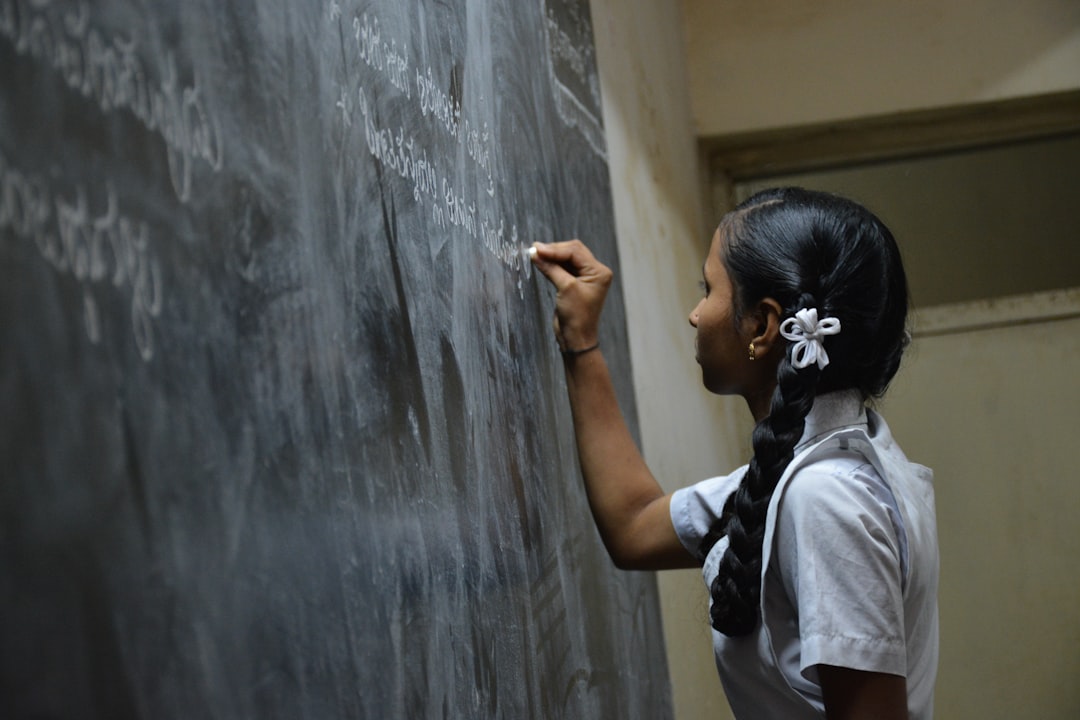
Ultimately, the decisions made soon regarding education funding will have lasting implications for India’s workforce and economic growth. Will India seize the opportunity to invest in its future, or will it continue to lag behind international standards? The answers to these questions will shape the educational landscape for generations to come.
Frequently Asked Questions
What are the implications of India’s education spending being below UNESCO’s benchmark?
The implications include worsening educational outcomes, lower completion rates, and a workforce lacking essential skills for economic growth. This shortfall can hinder progress toward achieving educational equity and quality.
The implications include worsening educational outcomes, lower completion rates, and a workforce lacking essential skills for economic growth.
How can government officials advocate for increased education funding?
Government officials can advocate for increased education funding by highlighting the long-term economic benefits of investing in education. They should engage with stakeholders and propose policy changes that prioritize education within the budget framework.
What strategies can education budget planners implement to align with international standards?
Education budget planners can implement strategies such as enhancing public-private partnerships, reallocating existing resources, and seeking international funding. These approaches can help bridge the funding gap and improve educational outcomes.
You may also like
 Education & University Insights
Why A.I. Cheating is a Concern for Online Degree Students
The increasing prevalence of A.I. cheating poses a serious threat to the credibility of online degrees. As educational institutions grapple with this challenge, students must…
Read More →