No products in the cart.

India’s Nuclear Disaster Liability Gap
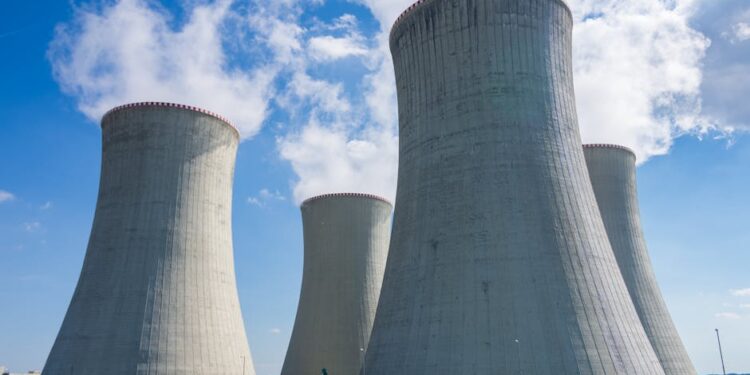
As India invests heavily in nuclear power, the urgent question of liability in the event of a nuclear disaster emerges. This article explores the significant gaps in insurance coverage for nuclear risks, leaving individuals and communities vulnerable.

As India invests heavily in nuclear power, the urgent question of liability in the event of a nuclear disaster emerges. Recent discussions have highlighted significant gaps in insurance coverage for nuclear risks, leaving individuals and communities vulnerable.
According to a report by livemint.com, the insurance landscape in India does not cover nuclear incidents under typical policies. This situation raises concerns about public safety and financial liability, especially in light of evolving legislation and growing nuclear energy infrastructure.
Legislative Changes and Nuclear Liability
The expansion of nuclear power in India is driven by the need for cleaner energy sources. However, as the government pushes for more nuclear power plants, the legal and financial frameworks surrounding nuclear liability are also changing. The recent enactment of the SHANTI Act in 2025, which repealed the Civil Liability for Nuclear Damage Act (CLND), has redefined how nuclear risks are managed.
This new legislation shifts the burden of liability primarily onto the government, effectively making it the ultimate risk bearer. The SHANTI Act removes the operator’s right of recourse against suppliers unless specific contractual agreements exist, aligning India’s framework with international standards. This raises questions about the adequacy of compensation mechanisms for victims in case of a nuclear incident.
With no private insurance options available for nuclear risks, the government has created the Indian Nuclear Insurance Pool (INIP) to provide some level of coverage. However, this pool’s capacity is limited, and it primarily covers liabilities under the SHANTI Act, leaving many potential victims without adequate protection. As highlighted by Deccan Herald, the lack of comprehensive coverage raises significant concerns about the financial implications for the government and taxpayers in the event of a nuclear disaster.
The SHANTI Act removes the operator’s right of recourse against suppliers unless specific contractual agreements exist, aligning India’s framework with international standards.
Government Responsibility and Public Safety
The shift in liability under the SHANTI Act places significant responsibility on the government. This change means that any nuclear disaster could lead to massive financial implications for taxpayers, as the government would need to cover damages not addressed by the insurance pool. Critics argue that this model may lead to a lack of accountability among nuclear operators, as they face fewer financial repercussions for potential negligence.
You may also like
Former Labor Secretary Rob Reich on Sept. Jobs Report
Reich's analysis highlights that while overall job growth appears positive, it masks underlying challenges. Many of the new jobs created are concentrated in lower-wage sectors,…
Read More →The government’s role as the ultimate risk bearer raises concerns about the adequacy of its disaster response mechanisms. In the case of a nuclear incident, the government must ensure that compensation is timely and sufficient for affected individuals. However, as seen in other disaster scenarios, bureaucratic delays can hinder effective response efforts.
Furthermore, the lack of individual insurance coverage for nuclear exposure means that many citizens remain unprotected. For instance, scientists and researchers working in nuclear facilities may find their health insurance policies do not cover radiation exposure. This gap leaves them vulnerable, as they cannot rely on private insurers to provide necessary coverage in case of an accident.

Global Perspectives on Nuclear Insurance
The situation in India is not unique; it reflects a broader global challenge regarding nuclear insurance. Many countries grapple with similar issues, particularly in the wake of disasters like Chernobyl and Fukushima. In these instances, the financial burden often falls on governments, prompting calls for reforms in nuclear liability laws.
India’s approach to nuclear insurance and liability could serve as a model—or a cautionary tale—for other nations. As countries worldwide increase their reliance on nuclear energy, understanding the implications of inadequate insurance coverage becomes crucial. The potential for catastrophic events necessitates robust legal frameworks that protect both individuals and governments.
For instance, scientists and researchers working in nuclear facilities may find their health insurance policies do not cover radiation exposure.
Moreover, international agreements like the Convention on Supplementary Compensation (CSC) aim to establish a framework for nuclear liability and compensation. India’s alignment with such agreements through the SHANTI Act indicates a willingness to cooperate on a global scale, but the effectiveness of these frameworks in practice remains to be seen. As noted by US News, the effectiveness of these international frameworks will be critical in shaping future nuclear policies.
Challenges Ahead for India’s Nuclear Sector
As India continues to expand its nuclear energy capacity, the challenges surrounding insurance and liability will only grow. The government must navigate the delicate balance between promoting nuclear energy and ensuring public safety. This includes addressing the financial implications of potential disasters and ensuring adequate compensation mechanisms are in place.
Moreover, the evolving geopolitical landscape adds another layer of complexity. Tensions in the region could heighten the risk of nuclear incidents, whether accidental or intentional. In such scenarios, the existing insurance frameworks may prove inadequate, leading to calls for comprehensive reforms.
You may also like
 Government & Policy
Utilities Should Prioritize Public Service Over Profit
The ongoing debate surrounding utilities suggests a critical shift towards prioritizing public service over profit. This has profound implications for regulatory practices and public policy…
Read More →
Investors and stakeholders in India’s nuclear sector will closely monitor how the government manages these risks. The future of nuclear energy in India hinges not only on technological advancements but also on the legal and financial safeguards that protect citizens.