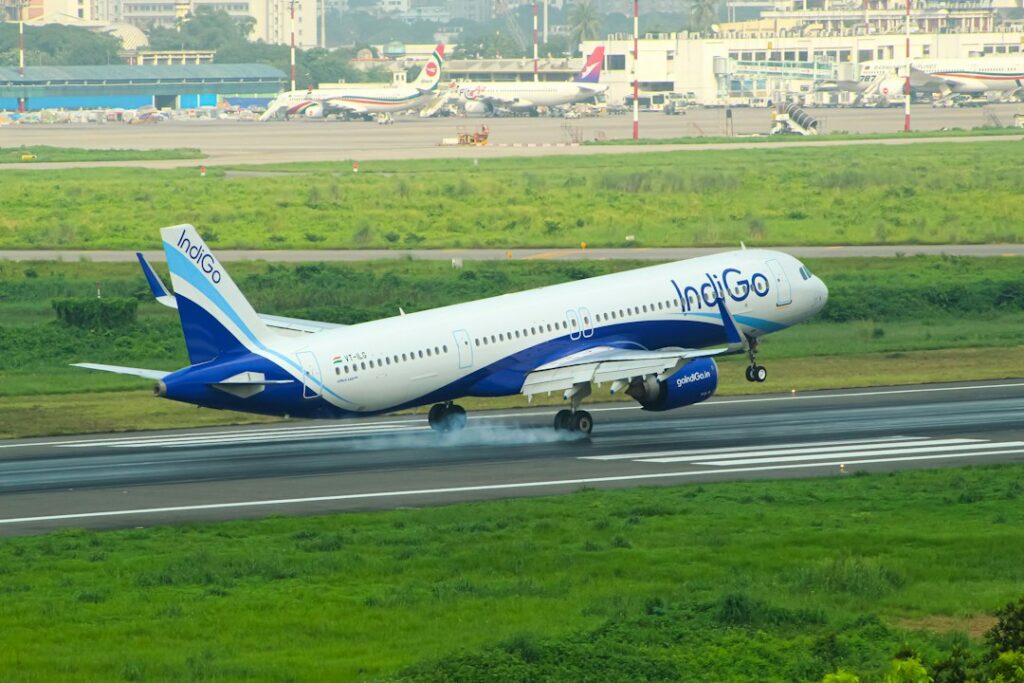
IndiGo CEO Willie Walsh said on Tuesday that per-passenger charges at Mumbai airport should fall after Terminal 1’s redevelopment is complete.
Walsh ties lower charges to Terminal 1’s added capacity
IndiGo CEO Willie Walsh said on Tuesday that per-passenger charges at Mumbai airport should fall after Terminal 1’s redevelopment is complete. He made the argument during a panel discussion at the Aviation India and South Asia Summit. Walsh said that if the redevelopment brings greater airport capacity, the charge per passenger should be lower than it is today. His request links the price airlines pay to the capacity available at the airport.¹²
Mumbai airport charges airlines aeronautical fees per passenger for services including parking and landing. Airlines add those costs to ticket prices, so the charge affects what customers pay as well as an airline’s operating expenses. Both Mumbai and Navi Mumbai airports are controlled by entities of the Adani Group. Walsh’s point concerns the level of the per-passenger charge after the redevelopment, rather than a change to how airlines pass the cost through to fares.¹²
He did not say that IndiGo would shift its operations away from Mumbai; he identified Navi Mumbai’s role in future expansion while arguing that more capacity at an airport should bring a lower per-passenger charge.¹²
Airline costs shape fares as IndiGo expands in Navi Mumbai
Walsh said airlines need to earn back the capital they invest to keep that investment sustainable. He also said each part of an airline’s cost base contributes to the ticket prices it can offer. That makes airport fees one cost within a wider fare calculation: lower charges could ease one part of the burden, but Walsh’s comments do not promise a particular ticket-price change. He framed the request around the effect of costs on the airline and on the fares available to passengers.¹²
 Government & Policy
How to Compare Remote and Hybrid Work Terms
Google's policy split workers into distinct remote categories, while later changes linked office presence to appraisal outcomes.
Read More →Walsh described Navi Mumbai as strategically important to IndiGo and said the market is a critical part of the airline’s domestic and international expansion plans. His remarks put the request for lower Mumbai charges alongside the airline’s plans for the wider market. He did not say that IndiGo would shift its operations away from Mumbai; he identified Navi Mumbai’s role in future expansion while arguing that more capacity at an airport should bring a lower per-passenger charge.¹²
Fuel costs add pressure beyond airport fees
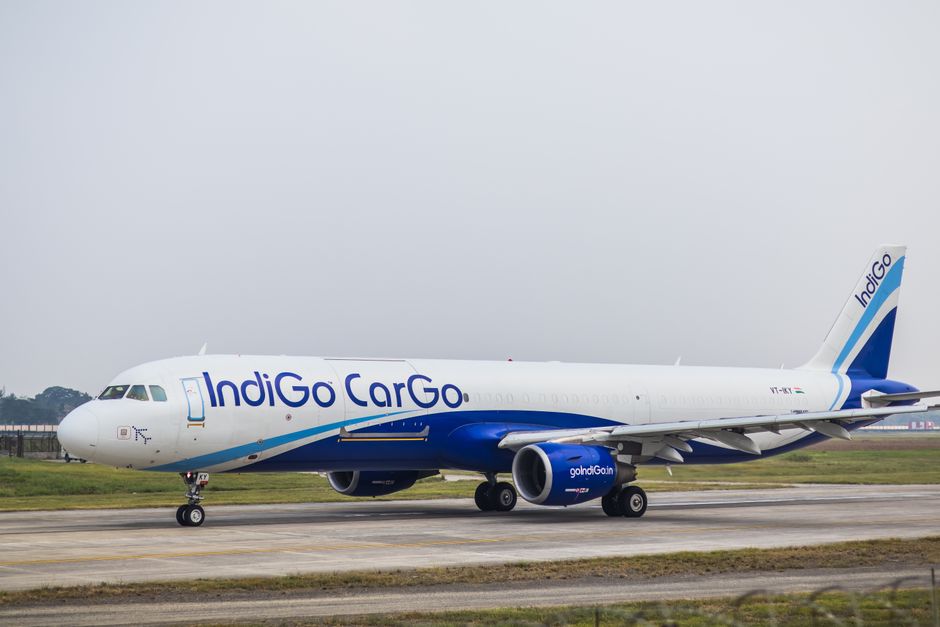
Jet fuel accounts for more than 40% of IndiGo’s operating costs, a share similar to that of other Indian airlines. Walsh said airlines would remain under pressure from high aviation-fuel prices even if crude prices fell, because limited refining capacity has pushed up the price of jet fuel. The long-term historical crack spread averages around 22%, but disruptions to global refining capacity pushed it to roughly 65%. Those disruptions stemmed from geopolitical conflicts, primarily the West Asia war.¹²
IndiGo reported a loss of nearly Rs 1,880 crore in the September quarter. Walsh said the airline’s financial position allows it to absorb short-term fuel-price spikes directly. He said IndiGo had no immediate plan to hedge fuel costs, though it had begun internal discussions about whether to do so as its long-haul operations develop. Domestic Indian airlines currently operate without fuel hedging, unlike European carriers, which hedge between 70% and 80% of their fuel needs, and Asian airlines, which hedge around 40%.¹²
IndiGo reviews fuel hedging and a government price scheme
Walsh said IndiGo discussed fuel hedging with its board and committed to return to a future board meeting after a more detailed review. He said hedging was the right decision not to pursue at present, though it could become an option later. The review comes as IndiGo prepares to introduce wide-body Airbus A350 aircraft on long-haul international routes from 2028. Walsh connected the question of hedging to the airline’s developing long-haul operations, rather than announcing a change in its current approach.¹²
No Indian airline joined the government’s jet fuel price stabilisation fund when it launched in June. The Rs 10,000-crore scheme proposed that oil marketing companies sell jet fuel to participating Indian airlines at a fixed price for domestic and international flights, regardless of international price movements. It lapsed after failing to attract an airline. Walsh defended IndiGo’s decision not to join, saying the scheme focused mainly on short-term cash-flow management. He said the airline was in “very constructive” discussions with the government and would review its proposed scheme, adding that it would participate if the proposal made sense.¹²
 Government & Policy
Cornell Prevails in DEI Hiring Lawsuit After Judge’s Finding
The judge resolved the case on the plaintiff’s plans, leaving DEI-based discrimination arguments unaddressed.
Read More →IndiGo reviews fuel hedging and a government price scheme Walsh said IndiGo discussed fuel hedging with its board and committed to return to a future board meeting after a more detailed review.
Airline Costs Shape Your Fare Decisions
When you compare airfares, remember that airport fees and fuel costs are baked into every ticket. IndiGo's CEO argues that more airport capacity should lower per-passenger charges, which could ease one part of an airline's cost base. If Mumbai's Terminal 1 redevelopment delivers that capacity, you might see modest fare relief on routes through that hub. But don't expect a dramatic drop, since the airline's wider cost structure still includes fuel and other expenses.¹²
Fuel is a bigger factor than airport fees, accounting for over 40% of IndiGo's operating costs. The crack spread has spiked to roughly 65%, well above its historical 22% average, so airlines face persistent pressure even if crude prices fall. Since Indian carriers operate unhedged, unlike European airlines that hedge 70-80% of fuel needs, fare volatility is likely to continue. Plan for ticket prices to stay sensitive to global refining disruptions and geopolitical events.¹²
Sources
- livemint.com — https://www.livemint.com/companies/news/why-does-indigo-want-lower-charges-at-mumbai-airport-ceo-willie-walsh-weighs-in-on-airport-investments-11793713640826.html
- indianexpress.com — https://indianexpress.com/article/business/aviation/indigo-fuel-hedging-plan-ceo-willie-walsh-long-haul-expansion-10947411/
Written by Career Ahead AI. AI can make mistakes, so verify key facts. Report errors to support@careeraheadonline.com