No products in the cart.

Industrial AI for the Physical World: Siemens’s Peter Koerte
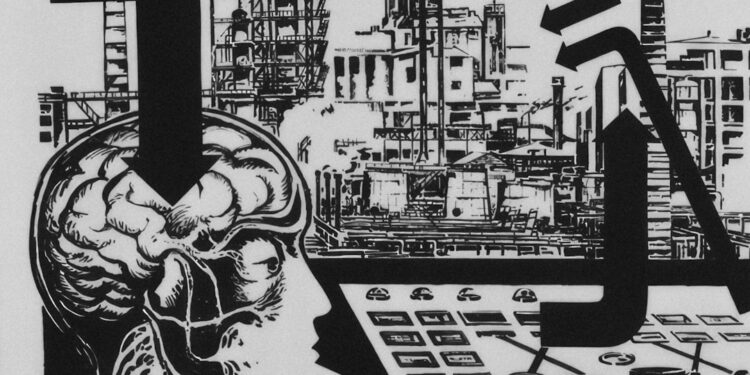
As industries face mounting pressure to optimize operations and reduce environmental impact, the role of industrial AI becomes crucial. Siemens’s approach to industrial AI focuses on integrating advanced technologies into existing infrastructure. By using AI to analyze data from various sources, Siemens can predict equipment failures before they occur, minimizing downtime and maintenance costs.

In a world increasingly driven by technology, the integration of artificial intelligence (AI) into industrial settings is reshaping the landscape of infrastructure and operations. Siemens, a leader in industrial automation, is at the forefront of this transformation. The company’s Chief Technology Officer, Peter Koerte, emphasizes that while consumer AI captures headlines, industrial AI quietly revolutionizes the physical world, enhancing efficiency and sustainability.
As industries face mounting pressure to optimize operations and reduce environmental impact, the role of industrial AI becomes crucial. Siemens is leveraging AI to improve everything from energy management in buildings to predictive maintenance in manufacturing. This deep dive explores the implications of industrial AI, the challenges it faces, and its potential to redefine how we interact with our environment.
Revolutionizing Infrastructure: Siemens’s AI Innovations
Siemens’s approach to industrial AI focuses on integrating advanced technologies into existing infrastructure. The company aims to create systems that not only enhance operational efficiency but also contribute to sustainability goals. For instance, AI applications in buildings can reduce energy consumption by up to 30% by optimizing heating, cooling, and lighting systems based on real-time data. According to Sloanreview, Siemens’s innovations in AI are designed to connect the digital and physical worlds. This integration allows for smarter energy grids and more efficient manufacturing processes.
By using AI to analyze data from various sources, Siemens can predict equipment failures before they occur, minimizing downtime and maintenance costs. This predictive maintenance is not just limited to manufacturing; it extends to transportation systems as well. For instance, AI can enhance the reliability of train services by forecasting maintenance needs, ensuring that trains operate smoothly and efficiently. This proactive approach not only enhances service quality but also reduces operational costs, as highlighted in a McKinsey report.
Moreover, Siemens is also pioneering the use of AI in energy management systems, which can lead to significant reductions in carbon emissions.
Moreover, Siemens is also pioneering the use of AI in energy management systems, which can lead to significant reductions in carbon emissions. The integration of AI in energy grids allows for real-time monitoring and adjustments, making it possible to balance supply and demand more effectively. This capability is crucial as the world shifts towards renewable energy sources, which can be unpredictable in nature.
You may also like
 Entrepreneurship & Business
Nike
Nike's recent sales slump has prompted its CEO to reconsider strategies, significantly impacting marketing and product management roles. Understanding the implications for consumer engagement and…
Read More →Overcoming Barriers: Challenges in Industrial AI Implementation
Despite the promising benefits, the implementation of industrial AI is not without challenges. One major hurdle is the need for high-quality data. Industrial AI relies on accurate, domain-specific data to function effectively. However, many companies struggle with data silos and lack of standardization across systems. Peter Koerte highlights the importance of data-sharing partnerships between companies to overcome these barriers. By collaborating and sharing insights, organizations can create more robust AI models that drive better outcomes. This collaborative approach can lead to significant advancements in efficiency and productivity across sectors.
Another challenge is the cultural shift required within organizations. Implementing AI technologies often necessitates changes in workflows and processes. Employees must adapt to new ways of working, which can be met with resistance. Siemens recognizes that successful AI integration is as much about people and workflows as it is about technology. The company is actively involved in training and upskilling its workforce to ensure that employees are equipped to handle the complexities of modern industrial environments.
Furthermore, the ethical implications of AI in industrial settings cannot be overlooked. As AI systems become more autonomous, questions arise regarding accountability and decision-making. Ensuring that AI operates transparently and fairly is essential to maintaining trust among stakeholders. This concern is echoed in a McKinsey report, which emphasizes the need for ethical frameworks that guide AI deployment in industries.
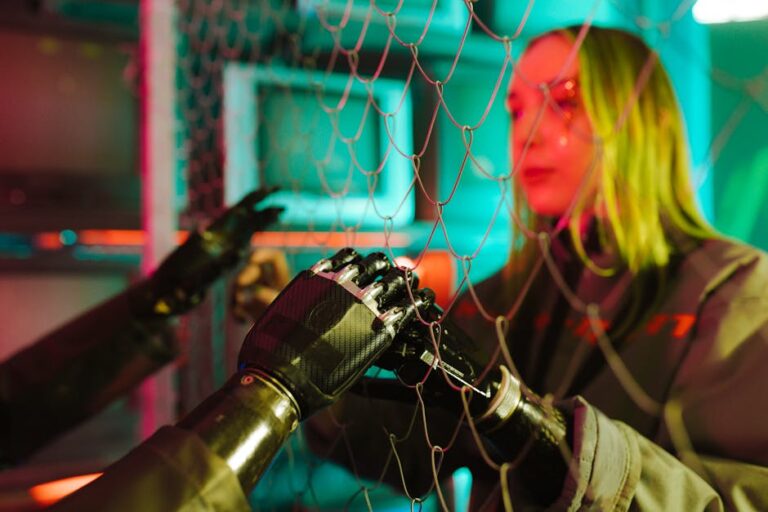
Siemens recognizes that successful AI integration is as much about people and workflows as it is about technology.
Future Outlook: The Role of AI in Industry
The future of industrial AI is bright, with significant potential to reshape various sectors. As technology continues to advance, the capabilities of AI will expand, leading to even greater efficiencies and innovations. Siemens is poised to lead this charge, continually developing new applications that enhance infrastructure and operations. According to Forbes, the integration of AI in manufacturing and energy sectors will drive substantial improvements in productivity and decision-making. As companies embrace these technologies, the competitive landscape will shift, favoring those who can effectively leverage AI to optimize their operations.
Looking ahead, the demand for skilled professionals in AI and data analytics will only increase. Young professionals entering the workforce must focus on developing these skills to remain competitive in an evolving job market. Siemens’s commitment to training and upskilling its workforce will be crucial in meeting this demand. The company’s initiatives illustrate the potential of AI to enhance efficiency, sustainability, and safety across various sectors. As industries continue to evolve, the integration of AI will play a pivotal role in shaping the future of work and infrastructure.
You may also like
 Entrepreneurship & Business
Network with 10,000+ Leaders at TechCrunch Disrupt
TechCrunch Disrupt 2026 is approaching, offering startups a unique opportunity to showcase their innovations and connect with industry leaders. With over 10,000 attendees expected, the…
Read More →