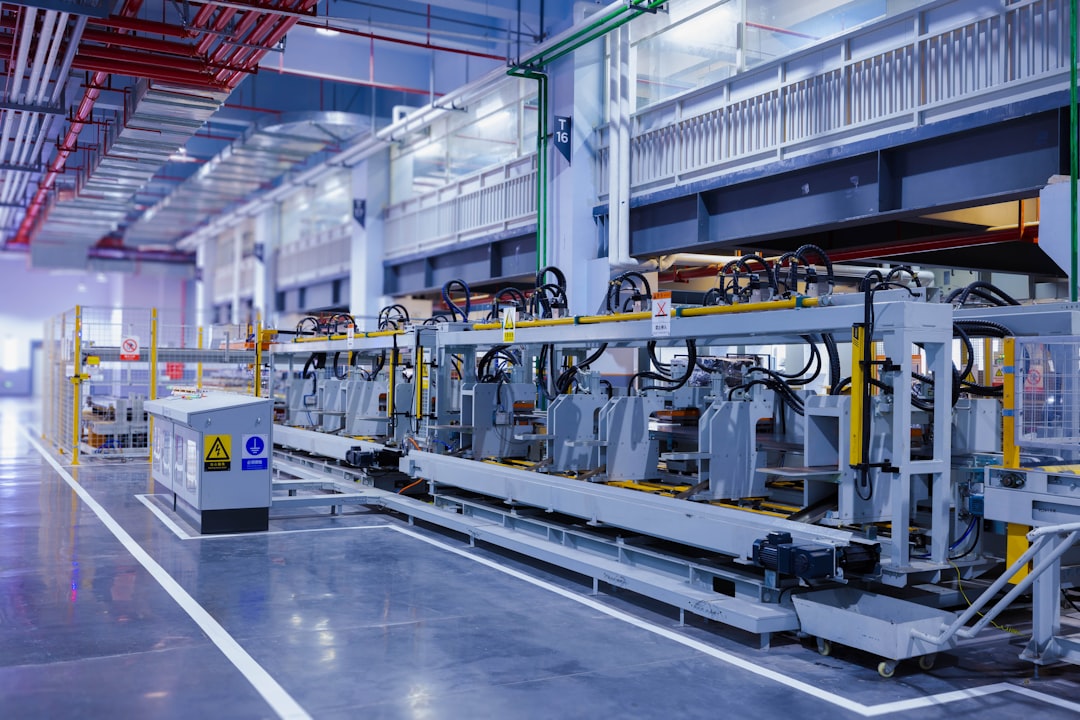
The latest Index of Industrial Production (IIP) reveals a complex landscape for India's industrial sector, highlighting significant growth in capital goods while consumer goods lag behind. This disparity raises important questions for policymakers as they navigate economic recovery amidst rising costs.
India’s Ministry of Statistics and Programme Implementation has released the latest Index of Industrial Production (IIP), showing a year-on-year growth of 4.9% for April 2026. This data marks the first release under the new 2022-23 base series, making it a crucial indicator for understanding the health of India’s manufacturing sector, especially in the wake of disruptions caused by the U.S.-Israeli conflict in Iran.
The IIP serves as a key barometer of industrial health, reflecting production changes across various sectors. The recent figures indicate that while industrial output demonstrates resilience, the growth is uneven. Notably, capital goods output surged by 16%, signaling robust public capital expenditure and infrastructure initiatives. In contrast, consumer durables and non-durables grew only 4.3% and 2.8%, respectively, suggesting that rising energy costs are exerting pressure on household consumption.
Capital Goods vs. Consumer Goods: A Diverging Trend
The latest IIP figures reveal a complex landscape for India’s industrial production. The significant growth in capital goods reflects a strong government focus on infrastructure development, with substantial investments in public works aimed at stimulating economic activity and job creation. According to a report by the BBC, this investment is part of a broader strategy to enhance India’s manufacturing capabilities and reduce reliance on imports, aligning with the government’s vision of ‘Atmanirbhar Bharat’ or self-reliant India.
However, the slower growth in consumer goods indicates that rising costs are impacting household spending. Higher fuel and energy prices are squeezing disposable incomes, which could lead to a slowdown in consumer demand. The divergence in growth rates between capital goods and consumer products raises critical questions for policymakers. The Hindu emphasizes that the mixed performance in consumer goods may necessitate targeted interventions to support household consumption, which is vital for overall economic health.
Methodological Changes in the IIP: Implications for Analysis
The recent overhaul of the IIP methodology introduces new products and sectors to better reflect the evolving economy. The inclusion of water supply, sewerage, and waste management as a major sector signifies a shift towards recognizing the importance of utility services in industrial activity. This change could help analysts and policymakers gauge the industrial landscape more accurately and make informed decisions. Career Ahead’s analysis indicates that this revision aims to capture the nuances of a rapidly changing economy.
Wall Street's $10 billion investment in India's healthcare sector raises concerns over rising hospital bills and affordability. The influx of private equity is reshaping billing…
The divergence in growth rates between capital goods and consumer products raises critical questions for policymakers.
Adjustments in sectoral weights, particularly the increased emphasis on manufacturing and utility services, reflect India’s growing role as a hub for value-added production integrated into global supply chains. Furthermore, the revised methodology affects how we interpret economic data. The IIP now encompasses a broader range of sectors, providing a more comprehensive view of industrial performance, which is critical for stakeholders relying on accurate data for strategic decisions.
Policy Recommendations for Sustained Economic Growth
The latest IIP data offers vital insights for policymakers aiming to foster economic recovery. The rise in capital goods output signals a positive trend for infrastructure development, which can lead to job creation and increased economic activity. This is particularly relevant in the context of the government’s push for a self-reliant India. However, the mixed performance in consumer goods suggests that policymakers need to be cautious.
The government may need to consider measures to alleviate the financial burden on households, such as subsidies or support for energy costs to stimulate consumer demand. Such actions could help maintain momentum in the broader economy and prevent a slowdown. Additionally, fiscal measures aimed at boosting consumer confidence will be essential for sustaining growth in the retail sector.
Future Directions: Monitoring Economic Indicators
The shift towards a chain-linked framework for the IIP, with more frequent updates, could enhance the accuracy of economic indicators. This would allow for timely policy responses to emerging trends. Career Ahead research finds that recent changes in the IIP methodology could lead to more responsive and relevant economic data. By capturing the dynamics of a modern economy, this updated framework may help guide future policy decisions, ensuring they align with the current industrial landscape and economic realities.
As India navigates global economic shifts, insights from the IIP will be essential for effective manufacturing policies. Understanding these trends will enable economists and analysts to identify opportunities for investment and growth in the manufacturing sector. The interplay between rising capital goods output and sluggish consumer demand will be critical to monitor. Will the government’s infrastructure investments be sufficient to offset pressures on consumer spending? The answers will shape the future trajectory of India’s economic recovery and manufacturing landscape.
BT Group's £400 million acquisition of TalkTalk aims to stabilize the broadband provider amid significant industry challenges, including a shift to digital services.
Future Directions: Monitoring Economic Indicators The shift towards a chain-linked framework for the IIP, with more frequent updates, could enhance the accuracy of economic indicators.
Frequently Asked Questions
What are the key indicators in the latest Index of Industrial Production?
The key indicators in the latest IIP include a year-on-year growth of 4.9% in industrial output. Capital goods output increased by 16%. Consumer durables and non-durables showed slower growth, indicating pressures on household consumption.
How can manufacturing policy analysts interpret changes in industrial output?
Manufacturing policy analysts can interpret changes in industrial output by examining sector-specific growth rates. The IIP provides insights into which sectors are driving growth and which are lagging, allowing for informed policy recommendations.
What should industrial economists consider when analyzing the Index of Industrial Production?
Industrial economists should consider the weight adjustments in the IIP and the implications of the revised methodology. Understanding how these changes reflect the current economic structure is crucial for accurate analysis and forecasting.




Industry & Global Trends

 Industry & Global Trends