No products in the cart.

Inside India
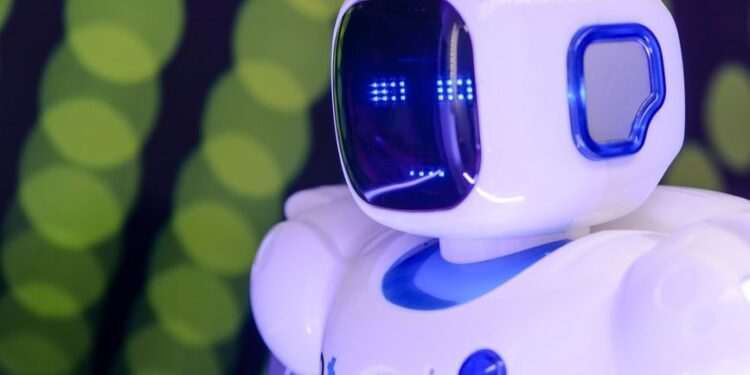
India is making significant strides in robotics, particularly in object manipulation. Startups like CynLr and Addverb are pioneering advancements that could reshape industries, creating new job opportunities for robotics engineers and AI researchers.

India is quickly advancing in robotics. The focus is on creating intelligent machines that can manipulate objects. Startups like CynLr and Addverb are leading this change. This transformation could reshape industries and create new jobs for robotics engineers and AI researchers.
Recent developments highlight India’s potential to build advanced robotic systems. These systems can think and act on their own. Countries around the world are investing billions in robotics to lead the next industrial revolution. The competition is tough, and India aims to play a major role in this global race.
Innovations in Robotic Object Manipulation
Indian startups are making strides in robotic object manipulation. This area is critical for robotics. CynLr, based in Bengaluru, is developing a cognitive layer that helps robots perceive and manipulate objects without extensive pre-training. This method mimics how infants learn through interaction, allowing machines to understand and handle new objects by analyzing their shapes and textures.
According to data from insideindia.com, CynLr’s software allows robots to decide how to manipulate objects based on their features. This shift in learning could greatly improve efficiency and adaptability across various fields, from manufacturing to logistics.
Addverb is another key player. They are creating humanoid robots for factories and warehouses. Their Elixis-W robot combines mobility, manipulation, perception, and autonomy. This allows it to work safely alongside humans. Such integration is vital for the future of industrial automation, enabling robots to adapt to changing environments.
Mowito, a Bengaluru startup, is also enhancing industrial robotic arms. They enable robots to learn new tasks from minimal human demonstrations. This reduces programming time for new production tasks, making robots more versatile and efficient. These advancements signal a shift toward more adaptive automation in the industry.
Career Ahead analysis shows that these innovations boost operational efficiency and create demand for skilled professionals.
Career Ahead analysis shows that these innovations boost operational efficiency and create demand for skilled professionals. As companies adopt advanced technologies, the need for robotics engineers and AI researchers will grow. This presents new career opportunities in this evolving field.
Impact on Manufacturing and Logistics Industries
The advancements in robotic object manipulation will significantly impact India’s manufacturing and logistics sectors. With intelligent robots, companies can streamline operations, cut labor costs, and enhance productivity. Robots can perform complex tasks with precision, leading to greater efficiency in production lines.
For example, robots that handle various objects can speed up assembly processes. This efficiency is crucial in industries where time-to-market is a competitive edge. As reported by cnbc.com, the Indian manufacturing sector is increasingly adopting automation to remain competitive globally. Robotics will play a key role in this transition.
Logistics companies are also starting to use robotic technology for warehousing and distribution. Robots that navigate and manipulate objects will improve inventory management and order fulfillment. This shift toward automation in logistics is expected to create new roles for maintaining and programming these advanced systems.
Collaboration between startups and established firms is essential for innovation. As highlighted by insideindiaauroville.com, integrating academic research with industry practices can speed up robotics development. This partnership bridges the gap between theory and practical applications, helping India stay competitive in the global robotics landscape.
Ultimately, the growth of robotics in India marks a shift toward a more automated future. As industries adapt, workers will need to learn new skills to succeed in this changing environment.
As industries adapt, workers will need to learn new skills to succeed in this changing environment.
Emerging Skills in AI-Driven Robotics
As the robotics field evolves, so will the skills needed for professionals. Robotics engineers and AI researchers must develop expertise in machine learning, computer vision, and advanced programming. These skills are crucial for creating and maintaining intelligent robotic systems that manipulate objects.
The demand for professionals with strong AI and robotics backgrounds is expected to rise. Career Ahead research indicates that as companies adopt AI-driven technologies, the workforce must adapt to meet new challenges. Engineers will need to design algorithms that help robots learn from their environments and improve over time.
Interdisciplinary skills will also become more valuable. Professionals who can connect hardware and software will be in high demand. Companies seek integrated robotic solutions, emphasizing collaboration between engineers, software developers, and data scientists.

Moreover, understanding the ethical implications of robotics and AI is essential. As robots become more autonomous, professionals must consider the societal impacts of their technologies and ensure responsible development.
The future of robotics in India looks bright, with significant growth potential. However, this progress depends on the workforce’s ability to adapt to new technologies and acquire the necessary skills to thrive.
Robotics engineers in India need skills in machine learning, computer vision, and programming.
As India invests in robotics and AI, the question remains: can the country build a strong ecosystem that supports innovation and collaboration across sectors? The answer to this will shape the future of robotics in India and its role in the global market.
Frequently Asked Questions
What skills are needed for robotics engineers in India?
Robotics engineers in India need skills in machine learning, computer vision, and programming. As the industry evolves, interdisciplinary skills that combine hardware and software expertise will be increasingly valuable.
How can AI researchers contribute to robotic development?
AI researchers can help robotic development by designing algorithms that enable robots to learn from their environments. Their expertise in machine learning and data analysis is crucial for enhancing robotic systems.

What should robotics engineers focus on to stay relevant in the evolving market?
Robotics engineers should focus on acquiring advanced skills in AI, automation, and the ethical implications of technology. Staying updated with the latest advancements in robotics and collaborating across disciplines will be essential for their career growth.
Related Articles
- China Seeks to Rescue AI Stocks Without Fueling a Bubble
Written by Career Ahead AI. AI can make mistakes, so verify key facts. Report errors to support@careeraheadonline.com.