No products in the cart.

Investor Backs $660M Ethiopia-Djibouti Pipeline Project
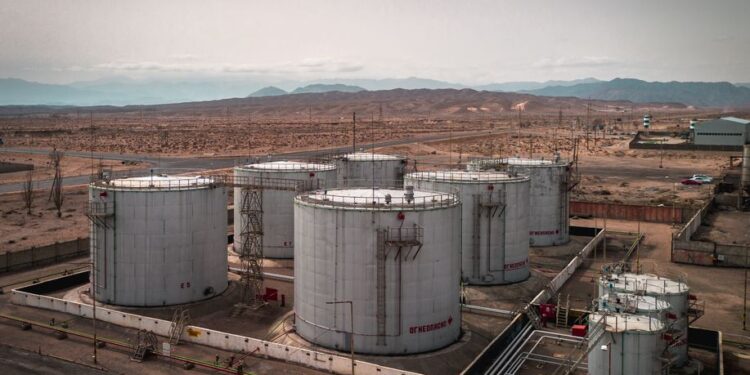
Aliko Dangote's $660 million investment in a fuel pipeline between Ethiopia and Djibouti is set to transform energy transport and create job opportunities in East Africa.

Ethiopia and Djibouti — Aliko Dangote has announced a significant investment of $660 million to fund a new fuel pipeline connecting the two countries. The project will feature a 120-kilometer pipeline from Djibouti’s Damerjog port to a distribution facility in Dewele, Ethiopia. It aims to enhance fuel transport efficiency, reducing the time required from five days to just one. The pipeline is expected to start operations within 18 months.
This initiative is pivotal for Ethiopia, a landlocked country that relies heavily on Djibouti for its fuel imports. The project promises to strengthen Ethiopia’s energy security and improve the resilience of its fuel supply chain. Additionally, it is projected to create numerous jobs, benefiting both countries economically. According to Ethiopian Prime Minister Abiy Ahmed, the pipeline will not only facilitate faster transportation of key petroleum products, including jet fuel, diesel, and petrol, but will also significantly alleviate pressure on existing transport systems, which have been strained by increasing demand.
Rising Demand for Infrastructure Engineering Skills
The construction of the fuel pipeline is set to create a surge in demand for infrastructure engineers in East Africa. As the project progresses, professionals with expertise in pipeline engineering, project management, and construction will be essential. Career Ahead’s analysis shows that this investment will likely lead to an increase in job openings for engineers specializing in these areas. Moreover, the pipeline project is expected to require advanced engineering techniques and innovative construction methods, which will further enhance the skill set of local engineers.
Furthermore, the pipeline’s construction will require skilled labor across various disciplines, including civil engineering, environmental management, and logistics. This presents a unique opportunity for local engineers to enhance their skills and participate in a transformative project that will shape the region’s energy landscape. The collaboration between local and international firms will also facilitate knowledge transfer, as engineers from abroad bring in best practices and advanced technologies. This exchange is crucial for building a sustainable engineering workforce capable of tackling future challenges.
As infrastructure projects like this one gain momentum, aspiring engineers should focus on acquiring relevant skills and certifications that align with the needs of such developments.
As infrastructure projects like this one gain momentum, aspiring engineers should focus on acquiring relevant skills and certifications that align with the needs of such developments. The growing trend of investment in infrastructure signifies a shift towards a more robust job market for engineers in East Africa. The Dangote pipeline project, specifically, is expected to set a benchmark for future infrastructure initiatives, potentially attracting more investments in related sectors.
Project Management Roles in Energy Projects
With the announcement of the fuel pipeline, energy project managers will find themselves at the forefront of this significant initiative. Project management roles will be crucial in overseeing the various phases of construction, ensuring that timelines and budgets are met while maintaining safety and quality standards. Career Ahead research identifies that project management positions in energy sectors are expected to grow, particularly in regions undergoing significant infrastructure development. The pipeline project is a prime example of how strategic project management can drive efficiency and effectiveness in large-scale operations.
Energy project managers will need to coordinate between multiple stakeholders, including government agencies, contractors, and local communities. Effective communication and negotiation skills will be vital in navigating the complexities of such large-scale projects. Additionally, project managers will be tasked with implementing sustainable practices to minimize environmental impacts, aligning with global trends towards greener energy solutions. The involvement of Aliko Dangote, as noted by BBC News, not only brings financial resources but also enhances credibility, attracting additional investors to the region, which is essential for the project’s long-term success.
The pipeline project not only presents immediate job opportunities but also sets a precedent for future energy projects in the region. As more investments flow into infrastructure, the demand for skilled project managers will continue to rise. This creates a pathway for professionals in the field to advance their careers while contributing to the development of essential energy resources. Moreover, the successful execution of the pipeline project could attract further investments in related sectors, such as renewable energy and transportation. This interconnectedness highlights the importance of project management expertise in driving the success of energy initiatives across East Africa.

Looking ahead, the successful completion of the fuel pipeline could pave the way for similar projects across the continent, further stimulating economic development and job creation. As East Africa continues to attract investment, infrastructure engineers and energy project managers must remain adaptable and prepared to seize new opportunities. The implications of Dangote’s investment are profound, signaling a shift towards a more interconnected and resilient energy framework in East Africa. As the region progresses towards greater energy independence, the roles of infrastructure engineers and energy project managers will be pivotal in shaping this new landscape.
This creates a pathway for professionals in the field to advance their careers while contributing to the development of essential energy resources.
Frequently Asked Questions
What skills are needed for infrastructure engineers in pipeline projects?
Infrastructure engineers working on pipeline projects need a strong foundation in civil engineering principles, project management, and environmental regulations. Familiarity with pipeline design, construction methods, and safety protocols is also essential.
How can energy project managers leverage this investment for career growth?
Energy project managers can leverage this investment by seeking roles that involve the oversight of large-scale projects, enhancing their skills in stakeholder management, and gaining experience in sustainable practices. This will position them well for future opportunities in the growing energy sector.

What should infrastructure engineers do to prepare for upcoming projects in East Africa?
Infrastructure engineers should focus on developing relevant technical skills, obtaining certifications, and staying informed about industry trends. Networking with professionals in the field and participating in relevant training programs can also provide a competitive edge.
Related Articles
- Central Europe Shifts Focus to China Amid German Slump
Written by Career Ahead AI. AI can make mistakes, so verify key facts. Report errors to support@careeraheadonline.com.