No products in the cart.

Investors React to HDFC Chairman’s Sudden Resignation

HDFC Bank's chairman Atanu Chakraborty resigns, causing a 5% stock drop and investor uncertainty. Market analysts discuss implications for governance and leadership stability.

“`html
The Shockwave: HDFC Chairman’s Resignation Rocks Investor Confidence
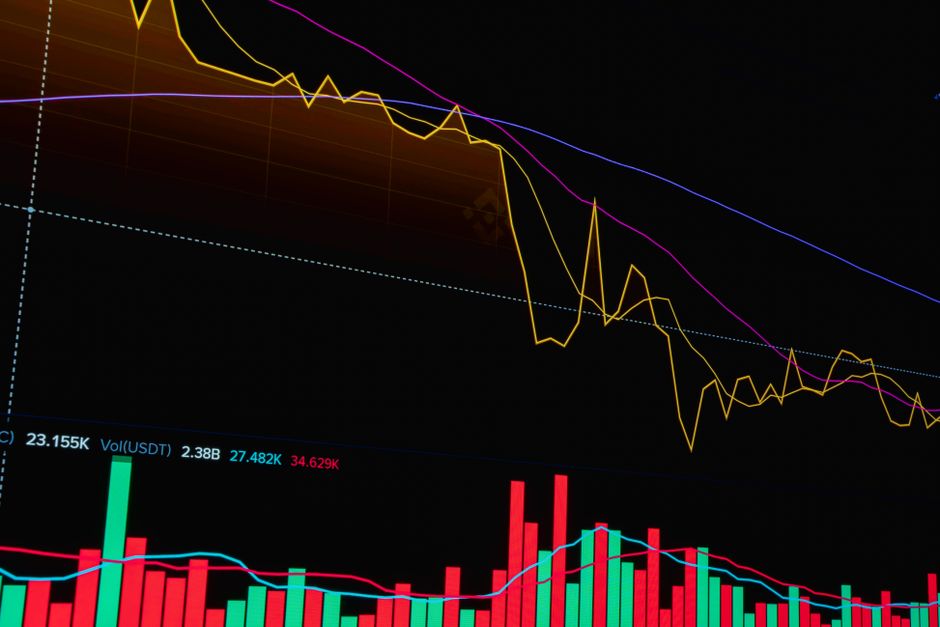
Late at night, an email shocked Mumbai: Atanu Chakraborty, HDFC Bank’s long-time chairman, would resign. His letter mentioned “happenings and practices” at the bank that conflicted with his values. The market reacted quickly, with HDFC Bank’s shares dropping 5%, losing over ₹1 lakh crore in market value.
For investors, the shock was more than just numbers. Chakraborty’s unusually candid tone raised questions about governance and the stability of a key financial institution. One investor expressed confusion during a conference call, stating, “I don’t feel any wiser than I was an hour ago,” reflecting the uncertainty felt across trading floors and boardrooms.
CEO Sashidhar Jagdishan, who has led the bank through rapid digital growth, tried to calm fears. He revealed that Chakraborty had been encouraged to stay or at least soften his resignation language. However, speculation continued. Analysts reassured that no major issues had emerged but warned that this incident could challenge the bank’s leadership stability.
Behind Closed Doors: The Unfolding Drama at HDFC Bank
Chakraborty’s resignation letter hints at deeper issues within the bank. His mention of ethical conflicts suggests a serious breach of trust. However, during an emergency call, interim chairman Keki Mistry and other board members claimed they were unaware of the reasons behind Chakraborty’s statements and insisted there were no major problems at the bank.
This disconnect between Chakraborty’s message and the board’s public stance hints at possible internal disputes over strategy or governance. While details remain unclear, this situation highlights a challenge for Indian companies: balancing board confidentiality with the need for transparency. In a climate of increased regulatory scrutiny, the silence around these “happenings” may be as impactful as the resignation itself.
Yet, experienced investors noted that such volatility often accompanies unexpected leadership changes.
Market Response: Analyzing the Immediate Financial Impact
Financially, the 5% drop resulted in a loss of over ₹1 lakh crore, a sum larger than the daily turnover of most Indian stocks. The sell-off was rapid, with traders seeking liquidity. Yet, experienced investors noted that such volatility often accompanies unexpected leadership changes.
You may also like
 Entrepreneurship & Business
MSMEs Demand Action on Rising Steel and Metal Prices
Rising material costs have been a persistent issue for MSMEs, which are already grappling with higher prices for diesel, furnace oil, and LPG.
Read More →Analysts predict a short-term recovery, citing the bank’s strong balance sheet, low non-performing asset ratio, and growth in retail deposits. Jagdishan’s continued leadership is seen as stabilizing, given his successful track record over the past three years.
However, this incident has introduced a “leadership risk premium” into the stock’s valuation. Institutional investors are now seeking clearer guidance on succession planning and the bank’s ethical standards. Some have reduced their stakes, while others hold out for a rebound, hoping the market will distinguish between the chairman’s personal issues and the bank’s fundamentals.
Lessons from Twitter Investors: A Cautionary Tale
In the U.S., a jury held Elon Musk responsible for a significant drop in Twitter’s share price during his 2022 acquisition attempt. They found that his public statements, which included accusations about bot activity, intentionally lowered the stock price to secure a better deal.
This verdict, the largest securities-jury award in U.S. history, sends a strong message: corporate leaders must be cautious with public comments to avoid legal and financial consequences. While HDFC’s situation is not a hostile takeover, the principle remains. A chairman’s public dissent can destabilize market perception and invite regulatory scrutiny.
history, sends a strong message: corporate leaders must be cautious with public comments to avoid legal and financial consequences.
For Indian banks, where shareholder activism is still developing, the Musk ruling highlights that transparency and careful communication are essential to avoid litigation and market decline. HDFC’s board’s quick denial of serious issues reflects a defensive approach that many firms may adopt to prevent similar fallout.
You may also like
 Government & Policy
SEBI Alerts Investors on Anonymous Tips, Finfluencers
Project Jagrook aims to combat the influence of anonymous financial advisors and so-called "finfluencers," who often provide misleading advice to unsuspecting retail investors.
Read More →Strategic Perspective: Navigating the Uncharted Territory
In the coming days, HDFC Bank must reassure investors about operational stability while addressing the governance concerns raised by Chakraborty’s exit. The board’s next steps—appointing a permanent chairman, revising its code of conduct, or clarifying succession plans—will significantly influence market sentiment.
From an investment perspective, this incident highlights the need for diversification and thorough risk assessment beyond just financial metrics. The “leadership risk premium” in HDFC’s stock may offer a buying opportunity for long-term investors but requires close monitoring of board dynamics and regulatory updates.
Additionally, the broader banking sector may experience effects. Competitors might attract capital as cautious investors move away from HDFC, while regulators could increase scrutiny on board-level disclosures, especially regarding ethical disagreements. This situation could spark governance reforms, encouraging banks to establish protocols for managing internal conflicts without public resignations.
Critical Insights: The Long-Term View
While the immediate market shock has eased, the impact of Chakraborty’s resignation will likely persist. Analysts expect a gradual price recovery, supported by the bank’s strong fundamentals and continuity under CEO Jagdishan. However, this episode has changed the narrative around leadership stability at India’s top private lender.
However, this episode has changed the narrative around leadership stability at India’s top private lender.
Similarly, the Musk-Twitter verdict serves as a reminder that public opinion and legal consequences can amplify a leader’s words. For HDFC Bank, moving forward will depend on translating the board’s reassurances into effective governance actions that rebuild confidence.
You may also like
 Government & Policy
Pentagon Halts Anthropic AI Use After Blacklisting
The Pentagon has officially ceased using Anthropic's AI tools following the company's blacklisting due to national security concerns. This decision marks a significant shift in…
Read More →As India’s financial landscape evolves, the HDFC situation may serve as a case study on how ethical conflicts at the top can cause market turbulence. The real test will be whether the bank can turn this uncertainty into an opportunity for stronger leadership, potentially setting new standards for corporate governance in the banking sector.
“`