No products in the cart.

Iran Conflict Disrupts Circuit Board Supply Chain, Increases Costs
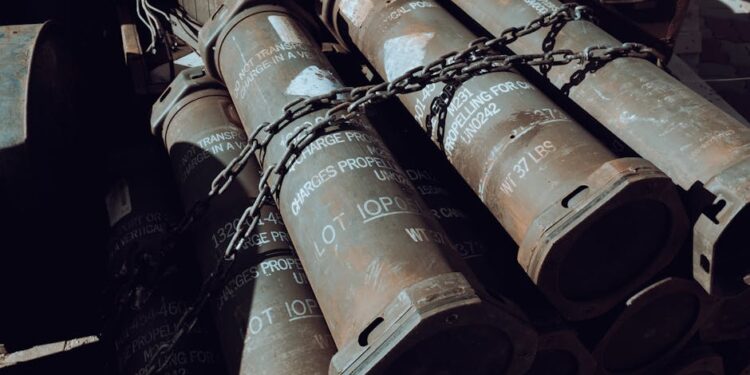
The ongoing conflict in Iran is significantly impacting global supply chains, particularly in the technology sector. This disruption is leading to increased costs for printed circuit boards (PCBs), essential components for a wide range of electronic devices, and forcing tech companies to adapt their strategies.


Iran Conflict Disrupts Global Supply Chains
The ongoing conflict in Iran is having profound effects on global supply chains, particularly in the technology sector. The war has disrupted the supply of crucial raw materials needed for manufacturing printed circuit boards (PCBs). These components are essential for a wide range of electronic devices, from smartphones to advanced AI servers. As a result, tech companies are facing significant challenges in maintaining production levels and meeting consumer demand.
According to industry sources, PCB prices surged by as much as 40% in April alone, a drastic increase attributed to the escalating demand for AI technology and the limited availability of raw materials. Major manufacturers are now scrambling to secure these materials, with waiting times for essential supplies extending from three weeks to as long as 15 weeks. This delay not only affects production schedules but also raises costs for companies reliant on these components.
Analysts from Goldman Sachs have indicated that cloud service providers are prepared to accept further price increases as they anticipate that demand will continue to outpace supply in the coming years. This expectation underscores the urgent need for companies to adapt quickly to the changing landscape of the tech supply chain, where stability is increasingly uncertain.
Rising Costs and Industry Adaptation
The ramifications of the Iran war extend beyond immediate supply chain disruptions; they also threaten to reshape the tech industry as a whole. With the rising costs of PCBs, tech firms must reconsider their pricing strategies and potentially pass these costs onto consumers. This could lead to higher prices for electronics, which may dampen consumer demand in an already competitive market.
Moreover, the increased costs for raw materials like copper and glass fiber, which are vital for PCB manufacturing, are compounding the financial pressures on tech companies. For instance, copper foil prices have risen by 30% this year, significantly impacting the overall cost structure of PCB production. As these costs continue to rise, companies may be forced to explore alternative materials or manufacturing processes, which could lead to further innovations or disruptions in the industry.
With the rising costs of PCBs, tech firms must reconsider their pricing strategies and potentially pass these costs onto consumers.
According to a report by CBS News, the fallout from the Iran war raises the odds of a U.S. recession. Rising oil prices and inflationary pressures are key factors contributing to this economic uncertainty. As tech companies grapple with increased production costs, consumers may face higher prices for everyday goods, further straining household budgets.
Economic Consequences: Recession Risks and Market Dynamics
You may also like
 AI & Technology
Strategic skills that secure counter‑offers
A recent industry report notes that 66 % of job seekers who negotiate salary succeed, underscoring the potency of evidence‑based positioning.
Read More →The economic fallout from the Iran war is becoming increasingly evident, with experts warning that the conflict could push the U.S. into a recession. The potential for a recession raises critical questions about consumer spending and business investment in the tech sector. If companies begin to scale back their investments due to rising costs, it could stifle innovation and slow down economic growth.
Furthermore, the impact of the Iran war on global oil prices cannot be understated. As oil prices rise, transportation costs for goods will also increase, further compounding the financial strain on businesses. This interconnected web of rising costs threatens to create a cycle of economic challenges that could affect multiple sectors, not just technology.
US News reported that the Iran war raises stakes for the U.S. and China ahead of Trump-Xi talks. The ongoing conflict in Iran is raising concerns about the potential impact on global markets and economies.

Tech Companies’ Strategies: Mitigating Risks and Innovating
In response to the ongoing crisis, tech companies are taking proactive measures to mitigate the impact of rising costs and supply chain disruptions. Many are exploring alternative sourcing strategies to reduce reliance on materials affected by the conflict. This could include diversifying suppliers or investing in local production capabilities to ensure a more stable supply of essential components.
As oil prices rise, transportation costs for goods will also increase, further compounding the financial strain on businesses.
Some firms are also investing in research and development to create more cost-effective alternatives to traditional materials used in PCB manufacturing. By innovating new production methods or materials, companies hope to reduce their vulnerability to geopolitical tensions and supply chain disruptions. This shift towards innovation could lead to new opportunities within the industry, even amid challenging circumstances.
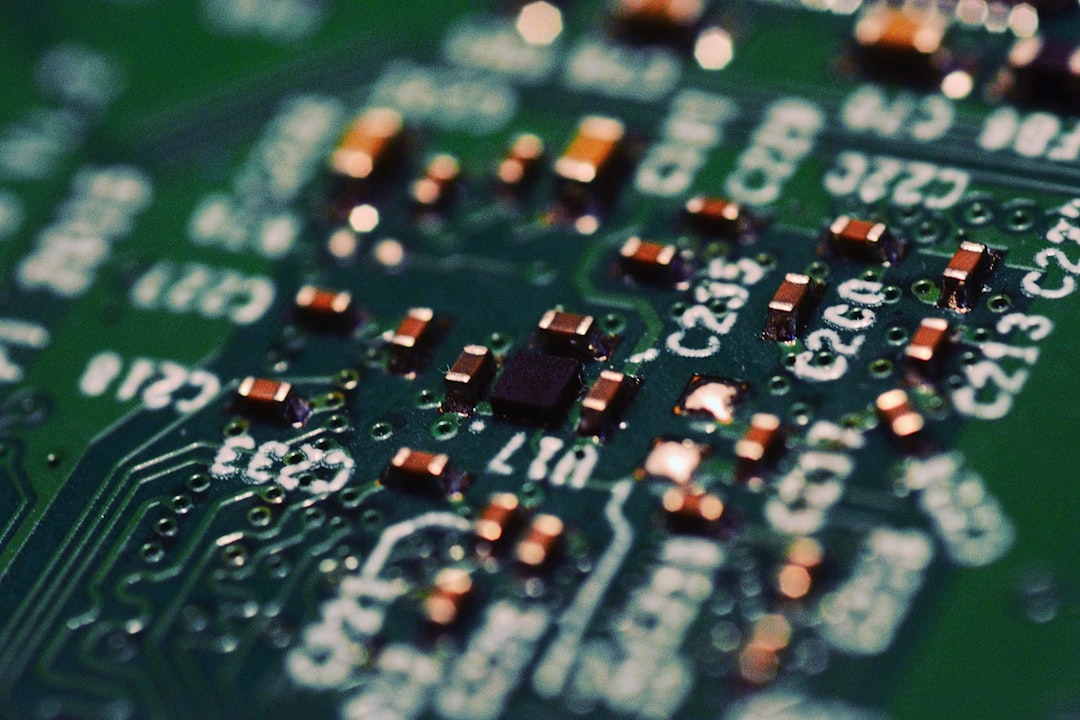
As the situation evolves, the tech industry must remain agile and responsive to the challenges posed by the Iran conflict. The ability to adapt will be crucial for companies aiming to thrive in an increasingly volatile market.
You may also like
 AI & Technology
OpenAIs Altman says AI benefits warrant accepting some risks
OpenAI's CEO Sam Altman argues that the benefits of AI justify accepting some risks, igniting a debate on regulation and ethical implications within the AI…
Read More →Sources: US News, CBS News, PBS, Al Jazeera.