No products in the cart.

Iran Sanctions Heighten Global Food Security Risks

US sanctions on Iran are disrupting global food supply chains, leading to increased prices and heightened food insecurity. This situation poses significant challenges for international trade and food security experts, who must navigate the complexities of geopolitical tensions and their economic ramifications.

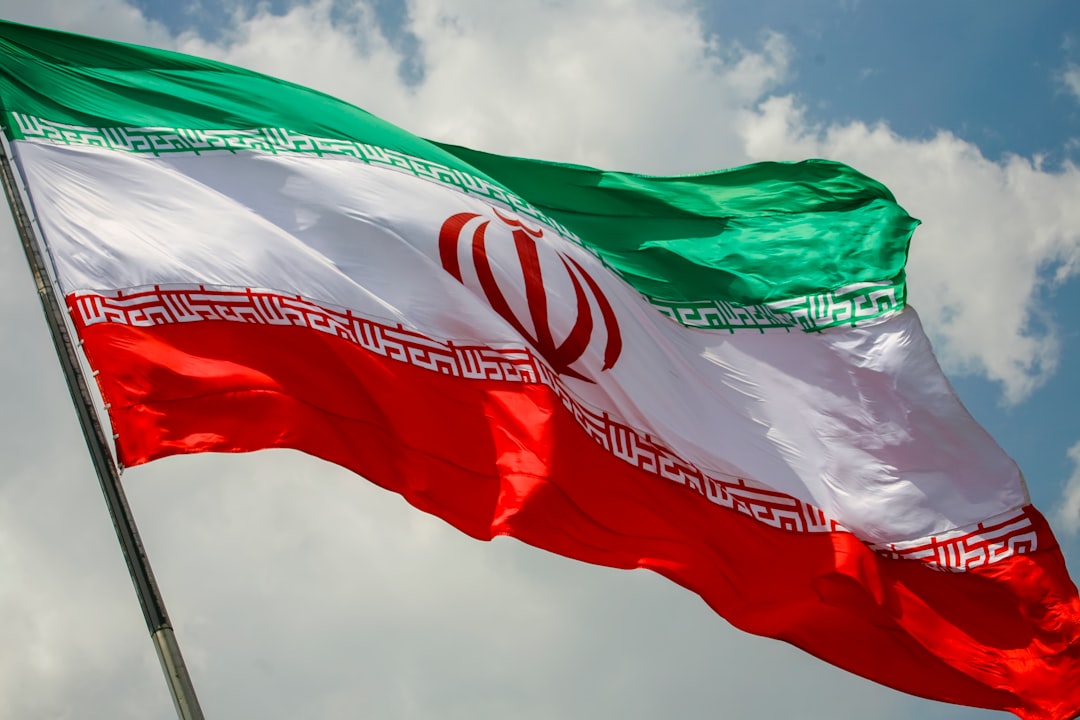
The recent US sanctions on Iran are disrupting global food supply chains, significantly affecting food prices and security. Analysts and food security experts express concern over these sanctions, which were imposed due to ongoing military tensions. Iranian President Masoud Pezeshkian’s comments at the BRICS summit emphasized the need for resilience against such actions, highlighting their broader effects on emerging economies.
In his speech, President Pezeshkian criticized the sanctions for harming food security and welfare. He noted that heavy reliance on limited financial systems makes economies vulnerable to political shocks. This perspective aligns with findings from the US Department of State, which indicate that sanctions can destabilize markets and disrupt essential supply chains.
Impact on Global Food Prices
The sanctions have caused a noticeable rise in global food prices, particularly for staple commodities. The World Bank reports that disruptions in Iranian agricultural exports are driving up food prices in countries dependent on these imports.
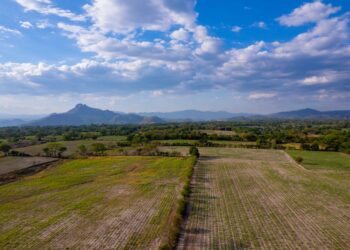
For instance, Iran is a major producer of wheat and rice. The decline in its exports due to sanctions has led to shortages in regions reliant on Iranian products. Countries in the Middle East and North Africa, which import much of their food, are particularly at risk. The Food and Agriculture Organization (FAO) warns that these disruptions can worsen food insecurity in these areas.
Moreover, the sanctions are affecting global supply chains. As food prices rise, the cost of importing food increases, leading to inflation in many emerging economies. This poses a significant challenge for food security experts, who must find ways to mitigate the impact of rising prices on vulnerable populations.
Additionally, the sanctions have altered trade dynamics. Countries that once relied on Iranian agricultural products are now seeking alternative suppliers. This shift may lead to long-term changes in global food trade patterns. While this may create opportunities for other agricultural producers, it also risks raising prices as demand exceeds supply in the short term.
This poses a significant challenge for food security experts, who must find ways to mitigate the impact of rising prices on vulnerable populations.
Strategies for Addressing Food Insecurity
You may also like
 News
NewsScammers Target Remote Workers with OTP and Fake Job Scams
Remote workers are increasingly targeted by sophisticated scams involving fake job offers and OTP requests. Understanding these tactics is crucial for freelancers and digital marketers…
Read More →In response to the challenges posed by the sanctions, food security experts are exploring various strategies. One approach is to diversify food sources and reduce reliance on any single country for essential imports. This strategy aligns with President Pezeshkian’s call for enhanced cooperation among BRICS nations to create a more resilient food supply system.
Furthermore, international trade analysts recommend developing local agricultural sectors in the most affected countries. By investing in local farming, these nations can lessen their dependence on imports and improve food security. Countries prioritizing local production are generally more resilient to global market fluctuations.
Collaboration among countries can also help establish alternative trade routes and partnerships. For example, BRICS nations can explore trade agreements that bypass traditional financial systems, as suggested by President Pezeshkian. This could enhance economic resilience and provide a buffer against the effects of sanctions.
Additionally, food security experts emphasize the importance of international aid for nations facing food shortages due to sanctions. Humanitarian assistance can help mitigate the immediate impacts of rising food prices, ensuring that vulnerable populations have access to essential supplies.
Understanding these changes is crucial for navigating future trade agreements and ensuring food security.
Wider Consequences for Global Trade
The sanctions on Iran affect not only food prices but also global trade and economic stability. As countries reassess their trade relationships, shifts in alliances and market dynamics may occur. The current geopolitical climate could lead to a reconfiguration of trade networks as nations protect their interests.
This evolving landscape presents both challenges and opportunities for international trade analysts. Understanding these changes is crucial for navigating future trade agreements and ensuring food security. The sanctions also highlight the interconnectedness of global economies, where actions by one country can have far-reaching effects.
You may also like
 News
NewsU.S. Stocks Climb as Weak Jobs Data Lowers Rate Hike Expectations
U.S. stocks rose following a weak jobs report that tempered expectations for Federal Reserve interest rate hikes. This shift in market sentiment is crucial for…
Read More →Moreover, the sanctions have sparked discussions about the effectiveness of unilateral actions in achieving political goals. Many experts argue that such measures often harm civilian populations more than the intended targets, raising ethical questions about using sanctions as a foreign policy tool.
As the situation evolves, food security experts and international trade analysts must monitor the ongoing impacts of these sanctions. The potential for escalating geopolitical tensions could lead to more sanctions, exacerbating challenges for global food supply chains.
The implications of the sanctions extend beyond immediate economic effects. They emphasize the need for a more inclusive and resilient global economic framework that prioritizes cooperation over conflict. As nations face these challenges, the focus must shift to building systems that can withstand future crises and promote sustainable development.
As nations face these challenges, the focus must shift to building systems that can withstand future crises and promote sustainable development.
Frequently Asked Questions
How do sanctions impact international trade agreements?
Sanctions can disrupt trade agreements by limiting sanctioned countries’ ability to participate in international markets. This often leads to renegotiation of agreements and may force countries to find alternative trading partners.
What are the implications of sanctions on food security in emerging economies?
Sanctions can worsen food insecurity in emerging economies by raising food prices and limiting access to essential imports. This can increase malnutrition and social unrest, especially among vulnerable populations.
What strategies can food security experts employ to address the challenges posed by sanctions?
Food security experts can advocate for diversifying food sources, investing in local agriculture, and fostering international cooperation to lessen the impacts of sanctions. These strategies can help build resilience against future shocks in the food supply chain.
You may also like
 News
NewsAnup Bagchi Takes Charge as HDFC Bank MD & CEO
Anup Bagchi, with over three decades in financial services, is set to lead HDFC Bank starting October 27, 2026, following the retirement of Sashidhar Jagdishan.
Read More →