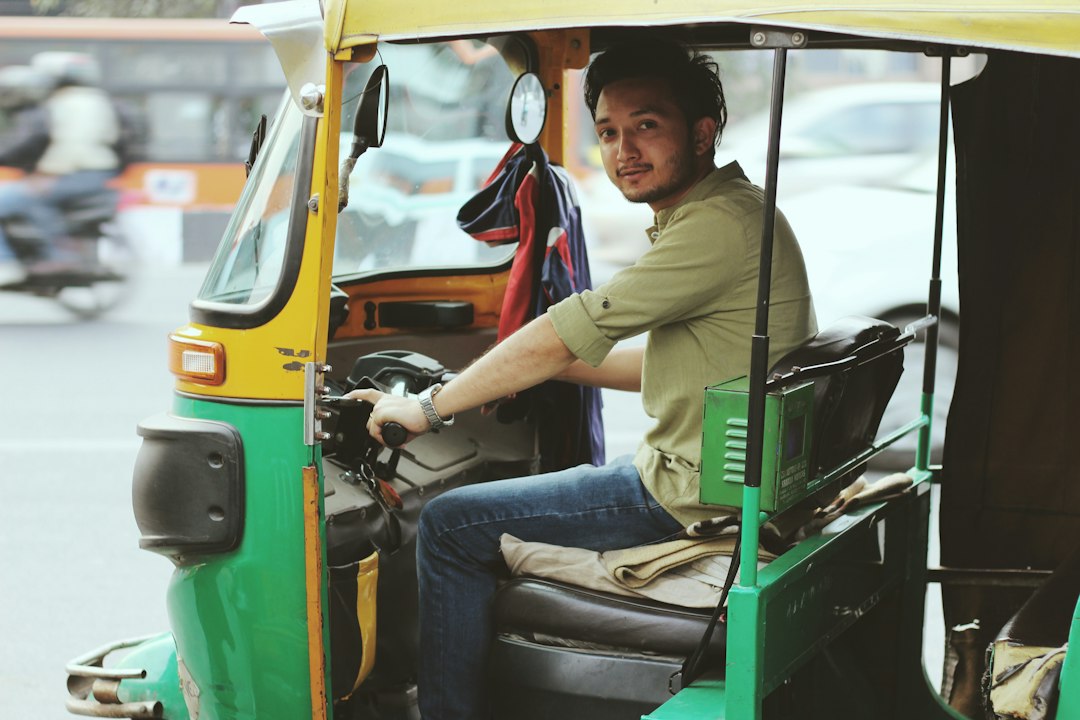
As the summit facilitates high-profile VVIP movements, traffic restrictions in New Delhi are significantly impacting the daily earnings of auto rickshaw drivers and delivery workers.
New Delhi, India — The ongoing BRICS 2026 summit is causing major traffic disruptions in New Delhi. This is hurting the daily earnings of auto rickshaw drivers and delivery workers. Over 35 roads have 12-hour restrictions, with diversions at 22 key points. Many workers are struggling to find passengers and delivery orders. The Delhi Police have imposed these measures for the safety of dignitaries, but local workers are facing serious challenges.
As the summit involves high-profile VVIP movements, traffic police have enforced strict measures. These measures aim to ensure security and smooth passage for dignitaries. However, they have led to severe congestion and delays. This directly affects the livelihoods of those in the transportation sector. According to a report by The Hindu, the restrictions have caused a significant drop in rides for auto rickshaw drivers. Many drivers report that they can only manage a few rides in an entire day.
Reduced Earnings for Auto Rickshaw Drivers
Auto rickshaw drivers are among the most affected by the traffic restrictions. Many drivers report a drastic drop in their daily earnings due to limited routes. For example, Mahavir Pal, an auto driver, shared that he got stuck in traffic for over an hour on a short ride. This significantly reduced his ability to take on new passengers. Many potential passengers are choosing to stay indoors, avoiding travel due to the chaos on the roads.
Local drivers say their earnings have dropped from an average of ₹1,000 per day to as low as ₹400. Lakshman, a gig worker, noted that the usual flow of rides from busy areas like Chanakyapuri and ITO has dried up. People prefer to avoid road travel due to congestion. The Times of India reported that traffic chaos has forced many drivers to wait longer between rides, further reducing their daily income.
Many drivers are also changing their usual routes. Some have tried less busy areas, only to find traffic congestion there as well. This has led to frustration among drivers who rely on consistent rides to earn a living. The ongoing situation raises concerns about the long-term viability of their earnings during high-security events. Career Ahead’s analysis suggests that ongoing VVIP movements could set a precedent for future events. Auto rickshaw drivers may need to develop adaptive strategies for working during similar high-security occasions. This could include finding alternative routes or timing their shifts to align with less congested hours.
Career Ahead’s analysis suggests that ongoing VVIP movements could set a precedent for future events.
Remote workers are increasingly targeted by sophisticated scams involving fake job offers and OTP requests. Understanding these tactics is crucial for freelancers and digital marketers…
Delivery workers are also feeling the impact of traffic restrictions. Major roads are blocked, causing deliveries to take much longer than usual. Pawan, a gig worker from Darjeeling, reported that two of his workdays were severely affected by the traffic chaos, leading to lost earnings. The delays not only hurt their daily earnings but also their job satisfaction. Many delivery workers thrive on quick turnaround times to maximize their income.
Delivery workers often rely on quick turnaround times. However, the current situation is causing delays that hurt both their earnings and job satisfaction. Many are avoiding heavily congested areas, leading to fewer orders and longer wait times for customers. A report from News18 highlighted that delivery services are struggling to maintain their usual efficiency amid ongoing traffic disruptions.
As a result, some delivery workers are frustrated with the current state of affairs. They feel that the traffic police’s assurances of minimal inconvenience do not match their experiences. This disconnect could lead to long-term changes in how delivery services operate during major events. The situation also raises questions about the demand for transportation services during significant events. If traffic disruptions continue during VVIP movements, delivery workers may need to rethink their strategies and adapt their services.
The ongoing disruptions during BRICS 2026 highlight a growing concern for the gig economy, especially for transportation workers. As events like this become more frequent, the demand for traditional transportation methods may shift. Some workers note an increase in metro service use as people seek to avoid road chaos. This shift could indicate a longer-term trend where public transportation becomes the preferred option during high-profile events, impacting the earnings of auto rickshaw drivers and delivery workers.
Additionally, traffic restrictions might prompt workers to explore alternative transportation modes or seek jobs in less affected sectors. Career Ahead’s research shows that the gig economy is highly vulnerable to external factors like traffic and regulations. These can lead to significant demand fluctuations. As the BRICS summit continues, auto rickshaw drivers and delivery workers must monitor these changes and adapt. The current situation serves as a reminder of the vulnerabilities in gig work, especially during large-scale events.
U.S. stocks rose following a weak jobs report that tempered expectations for Federal Reserve interest rate hikes. This shift in market sentiment is crucial for…
If traffic disruptions continue during VVIP movements, delivery workers may need to rethink their strategies and adapt their services.
Looking ahead, the question remains: will transportation workers find ways to adapt to these disruptions, or will ongoing challenges lead to a rethink of their roles in the gig economy?
Frequently Asked Questions
How can auto rickshaw drivers adjust to traffic changes during BRICS 2026?
Auto rickshaw drivers can adjust by finding alternative routes that are less affected by traffic restrictions. They may also consider timing their shifts to coincide with off-peak hours when traffic is lighter.
What strategies can delivery workers use to minimize delays during VVIP movements?
Delivery workers can minimize delays by avoiding congested areas and focusing on regions with less traffic. Staying informed about real-time traffic updates can also help them plan their routes effectively.
What should auto rickshaw drivers do about potential income loss during major events?
Auto rickshaw drivers should explore diversifying their income sources. They might take on different types of gigs or adjust their work hours to align with peak demand times outside major events.



News
News