
The Volatile Waters: Iran’s Attack and Its Immediate Impact on Oil Shipping
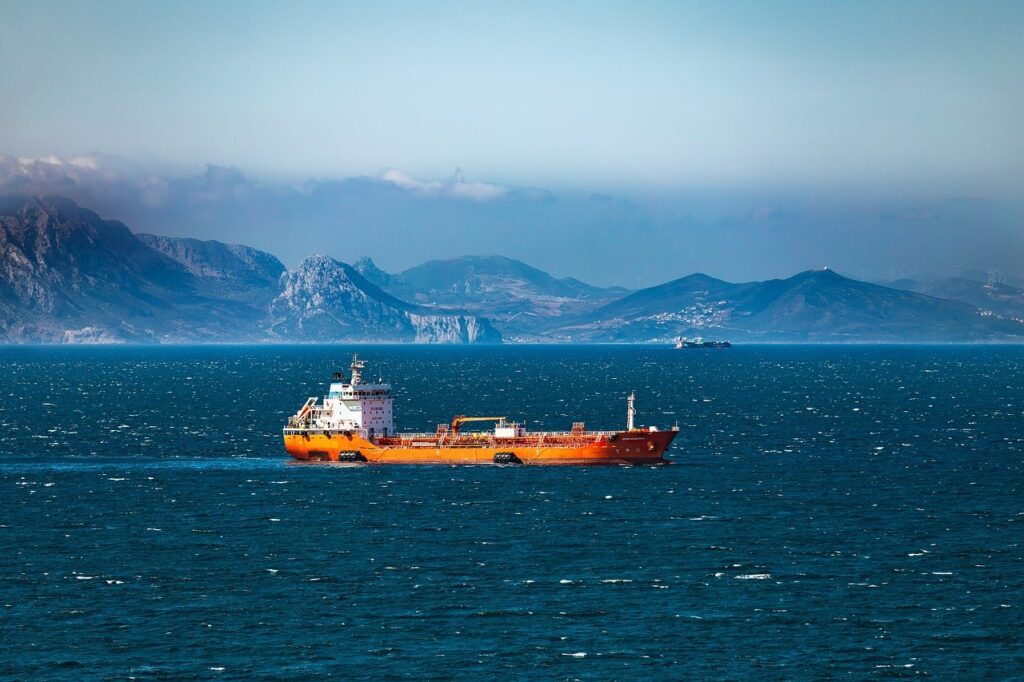
As the geopolitical tension in the Persian Gulf intensifies, the ripples of conflict have already begun to disrupt one of the world’s most critical arteries for oil shipments. The recent airstrikes by the united states and Israel on Iranian nuclear facilities have set off a chain reaction of retaliatory strikes throughout the region, igniting fears of a broader military confrontation. In the wake of these escalations, shipping companies have swiftly begun rerouting their vessels to circumvent the perilous waters of the Strait of Hormuz, a narrow but vital passage that facilitates approximately 20% of global oil transport.
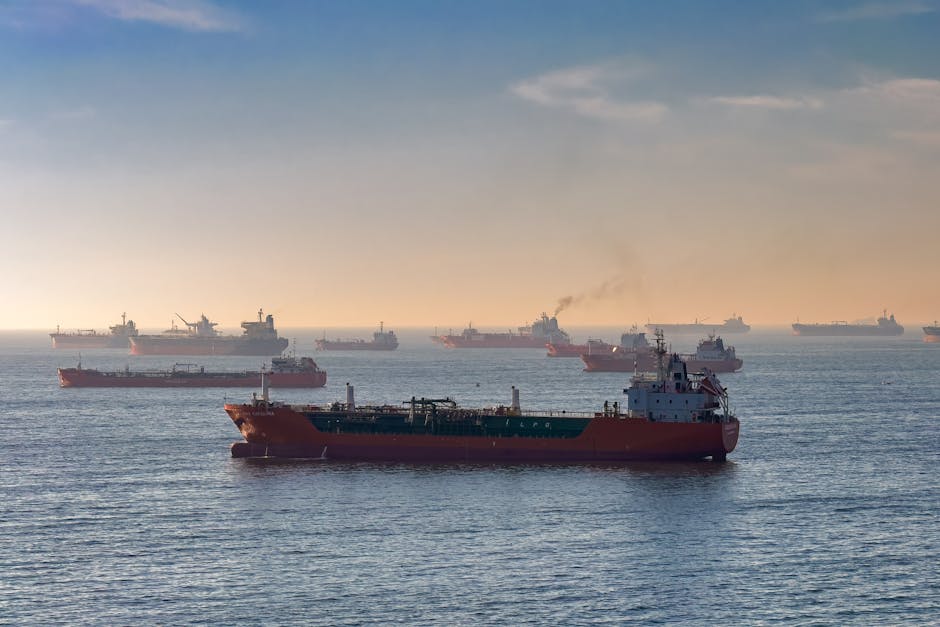
Reports indicate a notable decline in tanker traffic through this crucial strait, which typically sees around 20 million barrels of oil transit daily, according to the U.S. Energy Information Administration. The Iranian military has issued warnings, advising ships to steer clear of the area, citing safety concerns amid the conflict. This voluntary avoidance of the strait by shipping companies has already begun to show its effects on global oil markets.
In an immediate response to this turmoil, oil prices surged dramatically, with Brent crude jumping over 10% to reach $73.12 a barrel, a peak not seen since January. Analysts are sounding alarms that if disruptions persist, prices could soar above $100 per barrel, a scenario that would dramatically impact global economies and further strain the already fragile energy market.
Navigating the Strait: How Shipping Companies are Responding to the Crisis
Faced with the escalating threat, major shipping companies are actively reconsidering their traditional routes, opting to bypass the Strait of Hormuz altogether. This strategic rerouting is likely to lead to longer delivery times and increased shipping costs, further complicating an already precarious supply chain. In response to the heightened risks, the Gulf Cooperation Council (GCC) is exploring alternative export options, including pipelines designed to circumvent the strait. However, the limitations of these alternatives are evident.
These routes cannot fully compensate for the volume of oil transported through Hormuz, which is critical for ensuring the steady flow of crude oil to international markets.
Saudi Arabia and the United Arab Emirates have made significant investments in pipelines like the East-West Pipeline and the Abu Dhabi to Fujairah pipeline, both of which offer limited solutions to the logistical challenges posed by a potential closure of the strait. These routes cannot fully compensate for the volume of oil transported through Hormuz, which is critical for ensuring the steady flow of crude oil to international markets. In the event of a blockade, experts estimate that approximately $1 billion worth of oil shipments could be jeopardized daily, significantly affecting economies that rely heavily on Middle Eastern crude.
 Government & Policy
Britain Sells Five-Year Debt at a 5.036% Yield
Gilt yields have risen across advanced economies, while dealers put the rise in Britain’s gross financing requirement for 2027/28 at £27 billion.
Read More →Amid these developments, the geopolitical ramifications are becoming increasingly complex. The United States has called upon China, a major consumer of Iranian oil, to leverage its influence and prevent any blockade of the strait. This underscores the intricate interdependencies within global energy security. Meanwhile, Iran’s parliament has voted to consider closing the strait, a decision that rests with the nation’s national security council, highlighting the precarious balance of power within Iranian politics.
Global implications: What Rising Oil Prices Mean for Consumers and Markets
The ripple effects of rising oil prices extend far beyond the Persian Gulf, with consumers bracing for increased gasoline prices at the pump. Current averages hover around $3.22 per gallon, and analysts predict that costs will continue to escalate as tensions mount in the region. The financial pressures on consumers are compounded by broader inflationary trends, with energy costs serving as a significant contributor to economic strain.
Energy markets are bracing for further volatility, as any substantial disruption in oil flow could lead to heightened inflation and economic instability on a global scale. The interconnected nature of supply chains means that interruptions in the Persian Gulf will reverberate across nations heavily reliant on oil imports, particularly in Europe and Asia. As the situation unfolds, countries will be forced to reassess their energy policies and consider diversifying their sources to mitigate the risks associated with reliance on Middle Eastern oil.
Amid these developments, the geopolitical ramifications are becoming increasingly complex.
Looking ahead, the potential for sustained high oil prices raises questions about the future of global energy strategies. If the conflict escalates further, nations may be compelled to explore alternative energy sources and supply routes, fundamentally shifting the dynamics of global energy dependence. The geopolitical landscape in the Middle East is poised for significant transformation, as countries navigate the complexities of oil reliance amid regional instability.

 News
NewsGermany Leads Survey of Study Destinations for Indian Students
Germany’s international enrolment, work limits and graduate stay options sit alongside different living costs in Berlin and Munich.
Read More →Written by Career Ahead AI. AI can make mistakes, so verify key facts. Report errors to support@careeraheadonline.com.