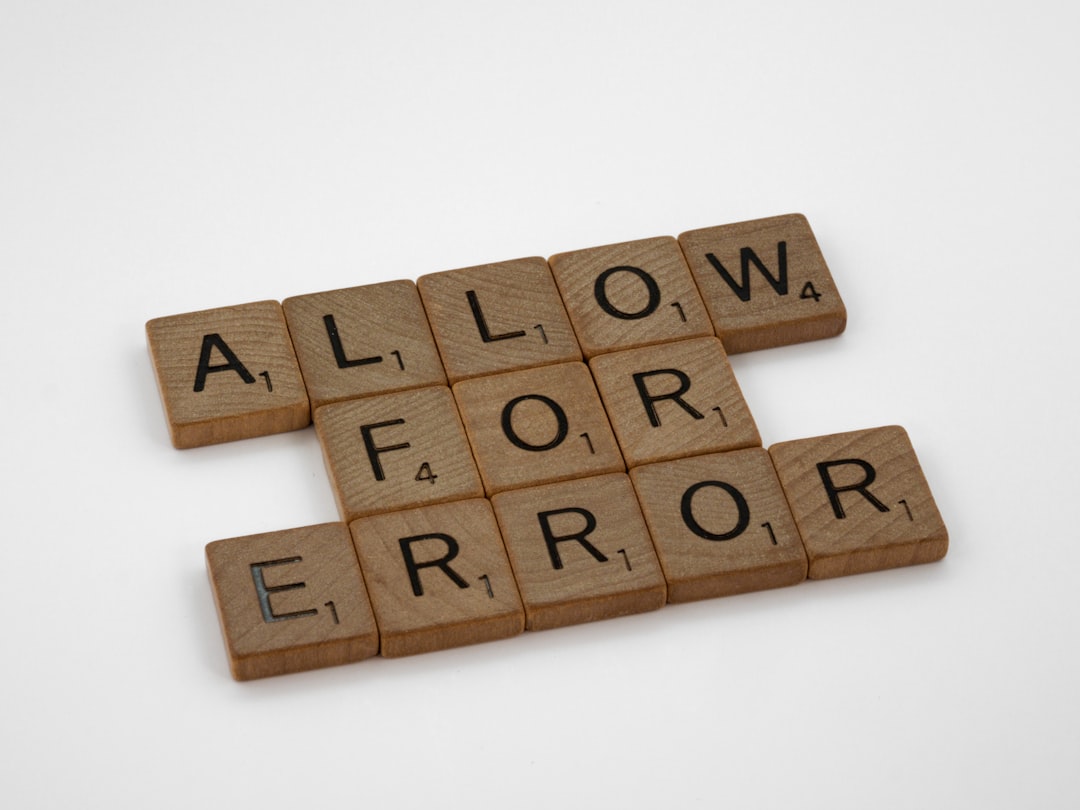
Taxpayers who filed their Income Tax Returns (ITRs) for the assessment year 2026-27 before the July 31 deadline can still correct errors. The Income Tax Act, 1961, allows eligible taxpayers to revise their returns under Section 139(5), even after the due date. Knowing the eligibility criteria and process for revising ITRs is important to avoid penalties.
Errors in ITRs can include missing income, incorrect deductions, or wrong bank account details. Taxpayers should know that a revised return can fix these mistakes. This ensures that their tax details match the records with tax authorities. Discrepancies can lead to notices and penalties. Tax experts stress that timely revisions are key to avoiding issues with tax authorities. The government now uses data matching and AI to find discrepancies in tax filings.
Eligibility Criteria for Revising ITR
To revise an ITR, taxpayers must have filed their original return on time. The original return must be submitted before the July 31 deadline for the assessment year. This rule allows timely filers to correct any errors they find later.
Nishant Shanker, a tax expert at Navraj Global Advisors, notes common mistakes include omitted income, incorrect claims, and reporting errors. He stresses that the revised return must be accurate and complete. Repeated revisions or large discrepancies may attract scrutiny from tax authorities. Taxpayers should check their income in Form 16, the Annual Information Statement (AIS), and tax credits in Form 26AS before submitting their revised return. It’s important to know that the window for revising returns is not endless; the revised return must be filed before the assessment year ends.
Career Ahead’s analysis shows that revising ITRs is crucial for taxpayers who make unintentional errors. This flexibility helps them comply with tax laws and reduces the risk of penalties. As tax authorities increasingly use data matching and AI verification, accuracy in tax filings is more important than ever. Taxpayers are encouraged to consult tax professionals for insights into the latest regulations and help with the revision process. The role of tax professionals is vital for ensuring compliance and accuracy in tax filings.
Career Ahead’s analysis shows that revising ITRs is crucial for taxpayers who make unintentional errors.
A report from the Center for Responsible Lending reveals that while some pay advance apps advertise no-cost options, most users end up facing substantial fees…
With the deadline for filing ITRs now passed, taxpayers must act quickly if they need to revise their returns. They can complete the process through the e-filing portal. This portal allows taxpayers to submit their revised returns and ensure their tax records are accurate. The e-filing system is user-friendly, making it easy for taxpayers to navigate the steps to correct their returns.
Steps to Correct Errors in ITR
Correcting errors in an ITR involves a few simple steps. First, taxpayers must log in to the e-filing portal and go to the section for filing a revised return. They should select the option for revising their return and enter details from their original return.
Next, taxpayers should review their original return to find specific errors that need correction. This includes checking for omitted income, incorrect deductions, or other discrepancies. Once these errors are found, they can be corrected in the revised return. It helps to keep a checklist of common errors, like mismatches in reported income and deductions, to streamline the revision process.
After making corrections, taxpayers must ensure all information is accurate and complete. They should double-check details like bank account information and reported income. Once satisfied, they can submit the revised return through the e-filing portal. Keeping a record of the revised return and any supporting documents is essential. This documentation may be needed for future reference or inquiries from tax authorities. Accurate records can also help taxpayers defend against audits or discrepancies later.
As tax regulations change, taxpayers should stay informed about any updates that may affect their filings. Regularly reviewing tax obligations and seeking advice from tax professionals can help ensure compliance and reduce errors. Taxpayers who filed their ITR before July 31 and later found errors should not panic. The provision for revising returns under Section 139(5) helps them correct mistakes and stay compliant. By understanding the eligibility criteria and following the right steps, taxpayers can navigate the revision process smoothly.
Andy Burnham's initiatives signal a shift in local governance, emphasizing autonomy and collaboration. This could reshape community engagement and development in the UK.
This documentation may be needed for future reference or inquiries from tax authorities.
As the tax landscape becomes more complex, accurate tax filings are crucial. Taxpayers should take advantage of opportunities to correct errors and keep their tax records up to date. The ability to revise ITRs helps rectify mistakes and reinforces the integrity of the tax system, ensuring taxpayers meet their obligations responsibly.
Frequently Asked Questions
What are the steps to revise my ITR?
To revise your ITR, log in to the e-filing portal, select the option to file a revised return, and enter details from your original return. Identify and correct any errors, then submit the revised return. Keep a record of the revised return for future reference.
Who is eligible to revise their ITR after the deadline?
Taxpayers who filed their original ITR before the July 31 deadline can revise their return under Section 139(5) of the Income Tax Act. This provision allows corrections for errors found after the original filing.
What should tax professionals advise clients regarding ITR revisions?
Tax professionals should guide clients to review their original returns for errors and assist them in filing revised returns accurately. They should stress the importance of timely revisions to avoid penalties and ensure compliance with tax regulations.




Government & Policy
Government & Policy