No products in the cart.

John Deere’s $99 Million Settlement: A Right-to-Repair Turning Point
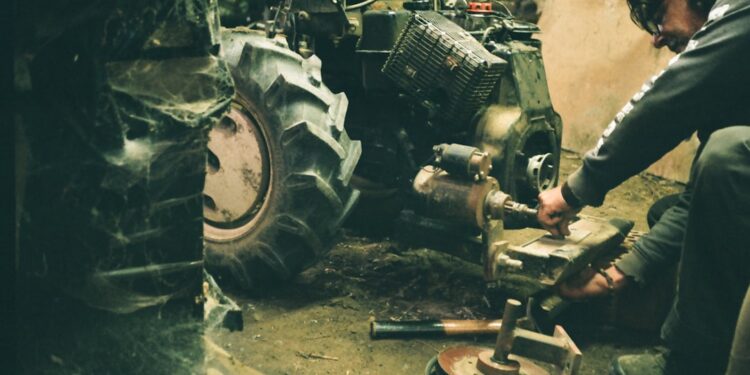
John Deere's $99 million settlement over right-to-repair issues marks a significant shift in the agricultural sector, impacting farmers and mechanics alike.

Farmers across the United States are celebrating a significant victory in their ongoing battle for the right to repair agricultural equipment. John Deere, a leading manufacturer of farming machinery, has agreed to pay $99 million to settle a class-action lawsuit. This landmark decision highlights the growing importance of repair rights in the agricultural sector and signals a potential shift in how manufacturers approach equipment maintenance and repair.
The lawsuit accused John Deere of restricting farmers and independent mechanics from accessing essential parts and diagnostic tools needed for repairs. This restriction often forced farmers to rely on authorized dealers for repairs, leading to increased costs and downtime. The settlement not only provides financial relief but also promises to improve access to repair resources for farmers over the next decade.
This case is emblematic of a broader movement advocating for the right to repair, which seeks to empower consumers and small businesses by ensuring they can fix their own products without facing legal or technical barriers. As technology becomes increasingly integrated into farming equipment, the implications of this settlement extend beyond financial compensation, potentially reshaping industry practices.
Empowering Farmers Through Repair Rights
The crux of the John Deere settlement revolves around the right to repair. This principle asserts that consumers should have the ability to fix their own products without unnecessary restrictions. For farmers, this means being able to repair their machinery without being reliant on the manufacturer or authorized service centers.
According to Reuters, the settlement requires John Deere to make repair resources available for ten years, allowing farmers and independent mechanics to access the necessary tools and information. This move is expected to significantly reduce repair costs and downtime, which can be critical during planting and harvesting seasons.
Furthermore, the agreement allows equipment owners to reprogram or perform diagnostics on their machinery while offline. This is particularly important for farmers who often operate in remote areas with limited internet connectivity. By enabling offline repairs, John Deere is acknowledging the unique challenges faced by farmers and adapting to their needs.
This move is expected to significantly reduce repair costs and downtime, which can be critical during planting and harvesting seasons.
This settlement could serve as a catalyst for similar actions in other industries, as consumers increasingly demand transparency and accessibility in product repair. The right to repair movement has gained traction globally, and this case may encourage other manufacturers to reconsider their repair policies.
You may also like
 Entrepreneurship & Business
Network with 10,000+ Leaders at TechCrunch Disrupt
TechCrunch Disrupt 2026 is approaching, offering startups a unique opportunity to showcase their innovations and connect with industry leaders. With over 10,000 attendees expected, the…
Read More →Economic and Policy Implications
The economic implications of the John Deere settlement are profound. Farmers often face high costs associated with equipment maintenance and repairs. By providing greater access to repair resources, this settlement could lead to lower operational costs for farmers, ultimately enhancing their profitability.
Moreover, the settlement aligns with a growing trend in consumer rights advocacy. As noted by various sources, including The Verge, the right to repair movement is gaining momentum across multiple sectors, from electronics to automotive. This case could influence legislation aimed at protecting consumer rights, as lawmakers may look to this settlement as a precedent.
On a policy level, the settlement could prompt regulatory bodies to explore more comprehensive right-to-repair laws. As agricultural technology becomes more sophisticated, the need for clear regulations governing repair rights will become increasingly critical. Policymakers may need to address the balance between protecting intellectual property and ensuring consumer access to repair solutions.
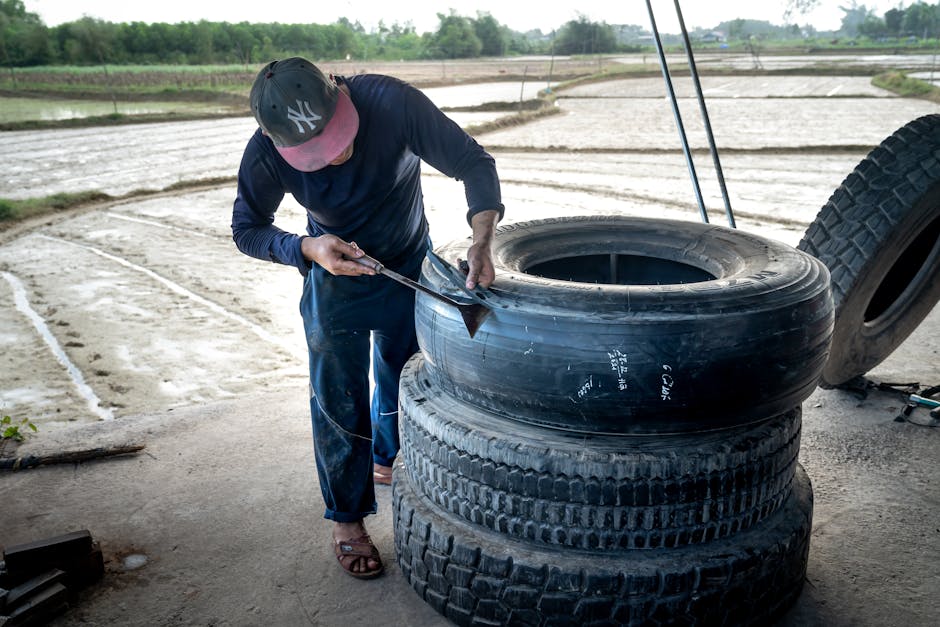
Globally, this settlement may inspire similar legal challenges in other countries, particularly in regions where agricultural machinery is essential for economic stability. Countries that prioritize farmers’ rights and access to repair resources may see a boost in agricultural productivity and sustainability.
Globally, this settlement may inspire similar legal challenges in other countries, particularly in regions where agricultural machinery is essential for economic stability.
Challenges and Ongoing Debates
While the John Deere settlement is a significant victory for farmers, it also highlights ongoing debates within the right-to-repair movement. Critics argue that manufacturers should maintain control over their products to ensure safety and reliability. They contend that unauthorized repairs could lead to dangerous situations, especially in complex machinery.
Additionally, some stakeholders believe that the settlement may not go far enough. While the agreement provides access to repair resources, it still operates on a subscription or licensing model. This could limit the extent to which farmers can truly repair their equipment independently, as ongoing fees may be a barrier.
You may also like
 Entrepreneurship & Business
Smart Money Strategies Shape New Investment Landscape
The ET Alpha Wealth Summit 2.0, scheduled for October 8, 2026, will explore the evolving investment landscape shaped by geopolitical tensions and market opportunities. Key…
Read More →Another point of contention lies in the implementation of the settlement terms. Farmers and advocates are concerned about how effectively John Deere will provide the promised resources. There is skepticism about whether the company will fully comply with the settlement, especially given its history of restrictive practices.
These contradictions reflect the complexities of the right-to-repair movement. As more consumers and businesses advocate for repair rights, the dialogue around safety, cost, and access will continue to evolve.
A New Era for Agricultural Equipment
The future of agricultural equipment repair is poised for transformation. The John Deere settlement may set a precedent that encourages other manufacturers to adopt more open repair policies. As farmers increasingly demand autonomy over their equipment, companies may find it beneficial to adapt to these expectations.
In the coming years, we may see a shift in how agricultural technology is developed. Manufacturers could prioritize designs that facilitate easier repairs and maintenance, recognizing that empowered consumers can lead to greater brand loyalty and market share.
It not only provides immediate relief but also signals a future where they have greater control over their equipment.

Moreover, the right-to-repair movement is likely to gain further traction, with more legal challenges arising against companies that impose restrictive repair policies. As public awareness grows, consumers will continue to advocate for their rights, pushing for legislation that protects their ability to repair their own products.
For farmers, this settlement represents a turning point. It not only provides immediate relief but also signals a future where they have greater control over their equipment. This empowerment could lead to increased innovation and productivity within the agricultural sector.
You may also like
 Entrepreneurship & Business
Wealth Surge Reshapes Hong Kong’s Finance and Tourism
Hong Kong's financial sector is booming while tourism struggles to recover from the pandemic. This duality presents unique challenges and opportunities for professionals in both…
Read More →In summary, the John Deere settlement is not just a financial agreement; it is a pivotal moment in the right-to-repair movement. As farmers gain access to the tools and resources they need, the agricultural landscape may evolve in ways that benefit both producers and consumers.