No products in the cart.

John Lewis Navigates Uncertain Future Post-Leadership Exit | Career Outlook

Peter Ruis's departure from John Lewis raises questions about the retailer's future strategy amid rising competition and changing consumer behaviors. His successor, Will Kernan, faces the challenge of navigating these turbulent times while adapting supply chain operations and maintaining employee morale.

UK — Peter Ruis announced his departure from John Lewis, the UK’s largest department store chain, on August 15, 2026. His exit follows a challenging period for the retailer, which has struggled to maintain sales amid rising living costs and increased competition from online stores. Ruis stated he is leaving to pursue new projects, but industry analysts suggest his departure could signal significant changes in the company’s leadership strategy.
Ruis began his tenure at John Lewis in January 2024, during which he revitalized the brand’s image and oversaw major store renovations. However, recent trading difficulties and fierce competition have raised doubts about the company’s future direction. His successor, Will Kernan, a non-executive board member of the John Lewis Partnership, now faces the daunting task of steering the company through these turbulent times.
Leadership Transition and Strategic Direction
Ruis’s departure raises critical questions about John Lewis’s strategic direction. Leadership changes in retail often lead to shifts in focus and supply chain management. With Kernan at the helm, there may be a move towards tighter cost controls and a reevaluation of store formats. Experts note that Kernan’s extensive background in retail management, including roles at River Island and The White Company, may influence his approach at John Lewis.
Kernan’s experience suggests he might advocate for a more streamlined operation that prioritizes efficiency and cost-effectiveness. This could potentially lead to further downsizing of physical store space, as John Lewis has already closed 16 locations during the pandemic. The Guardian highlights that while Ruis was perceived to be performing well under challenging circumstances, a strategic overhaul is necessary as the company confronts ongoing challenges.
The leadership change could also impact the company’s partnerships and collaborations, which were integral to Ruis’s strategy. Under his leadership, John Lewis collaborated with popular brands like Topshop and Jamie Oliver, attracting a younger customer demographic. As Kernan takes over, retail executives will be closely monitoring whether he continues this trend or opts for a more conservative strategy focused on core offerings. Innovation in partnerships will be crucial as the retail landscape evolves, and Kernan’s decisions in this area will likely shape the brand’s appeal moving forward.
Research indicates that stable leadership is vital for employee engagement.
Employee Morale and Retention Challenges
You may also like
 Industry & Global Trends
China Resumes Fuel Export Curbs, Impacting Global Energy Markets
China's reinstatement of fuel export curbs is set to tighten global energy markets, impacting diesel supply chains and raising prices worldwide. The regulatory changes present…
Read More →Moreover, the transition may affect employee morale and retention. Ruis’s departure comes at a time when the retail sector is grappling with high turnover rates and the need to retain talent. Research indicates that stable leadership is vital for employee engagement. Kernan will need to quickly establish his leadership style to reassure staff and maintain productivity. Increased anxiety among employees during this transition could challenge the high service levels essential for customer satisfaction.
As the retail environment continues to evolve, John Lewis’s ability to adapt will be critical. The company must meet consumer expectations for both in-store and online experiences while ensuring its supply chain remains resilient. The Guardian emphasizes that strategic change is urgent, suggesting Kernan’s leadership will be pivotal in how effectively the company responds to these pressures.
Revamping Supply Chain Operations
Another significant area impacted by Ruis’s exit is John Lewis’s supply chain operations. The retail landscape has transformed dramatically due to e-commerce and shifting consumer behaviors. The company may need to rethink its supply chain strategy to remain competitive, which includes improving logistics and inventory management.

With Kernan leading, there may be a focus on integrating technology into the supply chain. Retailers are increasingly utilizing data analytics and automation to optimize inventory and streamline operations. For John Lewis, adopting advanced technologies could enhance efficiency and reduce costs, which are essential in a tight-margin environment. Technology integration is not merely a trend; it is a necessity as competition in retail intensifies.
Additionally, the company might explore partnerships with logistics firms to enhance delivery capabilities. The demand for fast and reliable delivery has compelled many retailers to rethink their logistics strategies. By collaborating with third-party logistics providers, John Lewis could improve its service levels and better meet customer demands. The shift towards e-commerce makes it crucial for retailers to ensure agile and responsive supply chains, which Kernan will need to prioritize.
As The Guardian points out, the need for strategic change is pressing, and how Kernan navigates these complexities will be vital for the company’s future.

You may also like
 Industry & Global Trends
Why Analysts Predict a Tough October for Indian Markets
Analysts predict a challenging October for India's Nifty index due to rising US yields, volatile crude prices, and a weakening rupee. These factors are prompting…
Read More →However, the transition also presents challenges. Implementing new technologies and restructuring supply chains require significant investment and management. Kernan will need to balance the urgency of these changes with the operational realities of the business. The risk of disruption during this transition could affect customer satisfaction and sales. As The Guardian points out, the need for strategic change is pressing, and how Kernan navigates these complexities will be vital for the company’s future.
Risks, Trade-Offs, and What Comes Next
The leadership transition at John Lewis marks a pivotal moment for the retailer as it confronts ongoing challenges. With Kernan now in charge, the focus will be on how effectively he can guide the company through these turbulent times while addressing employee needs and adapting supply chain operations. Retail executives must remain vigilant to the evolving landscape, as the ability to innovate and respond to market demands will ultimately determine John Lewis’s success in the coming years.
Frequently Asked Questions
What are the implications of leadership changes for retail executives?
Leadership changes can significantly impact retail strategy and operations. Executives must adapt to new management styles and priorities, affecting everything from supply chain management to employee morale.
Executives must adapt to new management styles and priorities, affecting everything from supply chain management to employee morale.

How might supply chain management be affected by changes in leadership at John Lewis?
Leadership changes may lead to a reevaluation of supply chain strategies, including technology integration and logistics partnerships. Executives should prepare for potential shifts in operational focus and investment priorities.
What should retail executives do in response to leadership transitions?
Retail executives should closely monitor leadership changes and assess how these shifts may impact their operations. Engaging with employees and ensuring clear communication can help maintain stability during transitions.
You may also like
 Industry & Global Trends
Vietnam’s 10% Growth Fuels Manufacturing and Export Opportunities
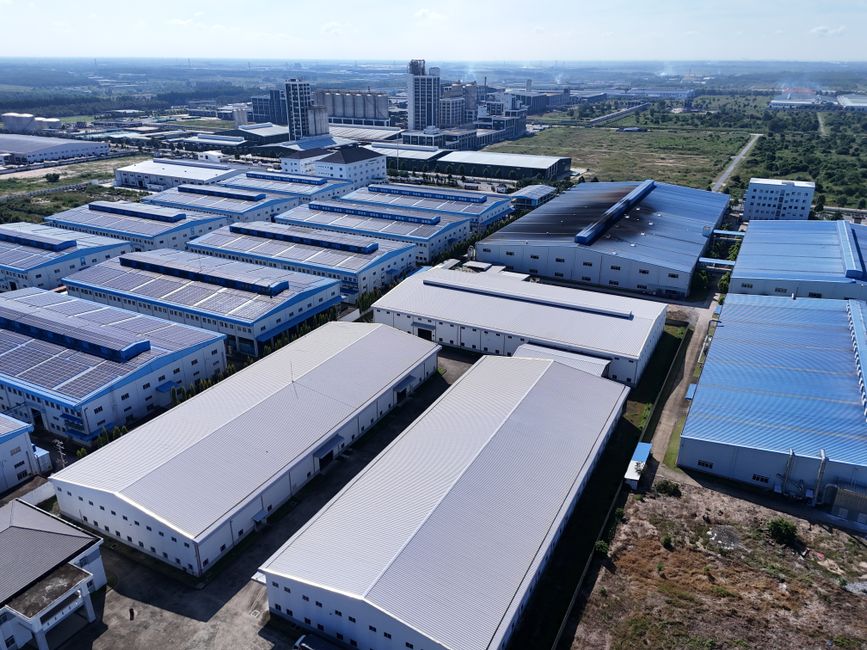
Vietnam's economy is poised for a remarkable growth rate of 9.95% in Q3 2026, driven by a booming manufacturing sector and a record trade surplus.…
Read More →