No products in the cart.

JSW Group Pauses Odisha Battery Plant Over LFP Issues

JSW Group has paused its battery manufacturing plant in Odisha due to challenges in securing lithium iron phosphate (LFP) technology, following a memorandum of understanding with the Odisha government in February 2024.

Mumbai, India — JSW Group has paused its battery manufacturing plant in Odisha. This decision is due to challenges in securing lithium iron phosphate (LFP) technology. The company announced this on August 26, 2026. They are still looking for a technology partner to move forward with the project, which was expected to cost ₹40,000 crore.
This halt follows a memorandum of understanding signed with the Odisha government in February 2024. The goal was to create an integrated electric vehicle and battery manufacturing facility. The planned plant was set to produce 50 GWh of battery capacity, a key step for India’s electric vehicle sector.
Implications for Battery Technology Engineers
The pause on the Odisha battery plant affects timelines for battery technology engineers. These professionals were preparing for a project that could boost India’s battery manufacturing, especially in LFP technology, essential for electric vehicles. JSW’s Director, Parth Jindal, noted that LFP cell technology is mainly controlled by Chinese companies. This makes it hard for Indian firms to access critical technology. This reliance on foreign technology complicates the immediate project and raises concerns about long-term sustainability in India’s battery manufacturing goals.
Career Ahead’s analysis suggests that this delay could extend project timelines by several months or even years. Engineers involved may need to shift their focus to other battery technologies or projects. This disruption could change job roles and responsibilities, requiring engineers to adapt quickly. Additionally, the lack of technological collaboration may slow innovation in the sector. Engineers were eager to work with advanced technology partners, which could have sped up development and improved local workforce skills. The search for a technology partner may delay skill acquisition and knowledge transfer, affecting the growth of India’s battery manufacturing sector.
As a result, engineers must stay flexible and open to learning new technologies or methods that may arise during this time. The industry is changing quickly, and those who adapt will be better positioned for future opportunities. Moreover, the challenges surrounding LFP technology reflect broader issues in the global supply chain for battery materials. The need for innovation in sourcing and production methods is more critical than ever, especially as electric vehicle demand continues to rise.
Engineers were eager to work with advanced technology partners, which could have sped up development and improved local workforce skills.
Supply Chain Managers Reassess Strategies
For supply chain managers in the battery industry, JSW’s decision to halt the Odisha plant requires a reassessment of sourcing strategies. The reliance on LFP technology from China poses a significant risk for Indian manufacturers. The geopolitical landscape could affect the availability and cost of essential components. Career Ahead research shows that supply chain managers must now explore alternative suppliers and technologies to reduce risks linked to this dependency. Finding technology partners is not just about collaboration; it also involves securing a reliable supply chain for battery production in India.
In light of these changes, supply chain managers should consider diversifying their sources for raw materials and components. This may involve forming partnerships with local suppliers or investing in research to create alternatives to LFP technology. Shifting towards local sourcing could strengthen supply chain resilience and lower vulnerability to external shocks. Additionally, this situation may increase competition among companies for limited technology resources. Supply chain managers must proactively negotiate contracts and build relationships with potential partners to secure necessary technology and materials when the market stabilizes.
The implications of JSW’s decision go beyond immediate project delays. They signal a need for strategic foresight in the supply chain. Managers must be ready to adapt to changing circumstances and anticipate future challenges as the battery technology landscape evolves. This is especially relevant as the Indian government promotes greater self-reliance in battery production through various policies aimed at boosting domestic manufacturing capabilities.
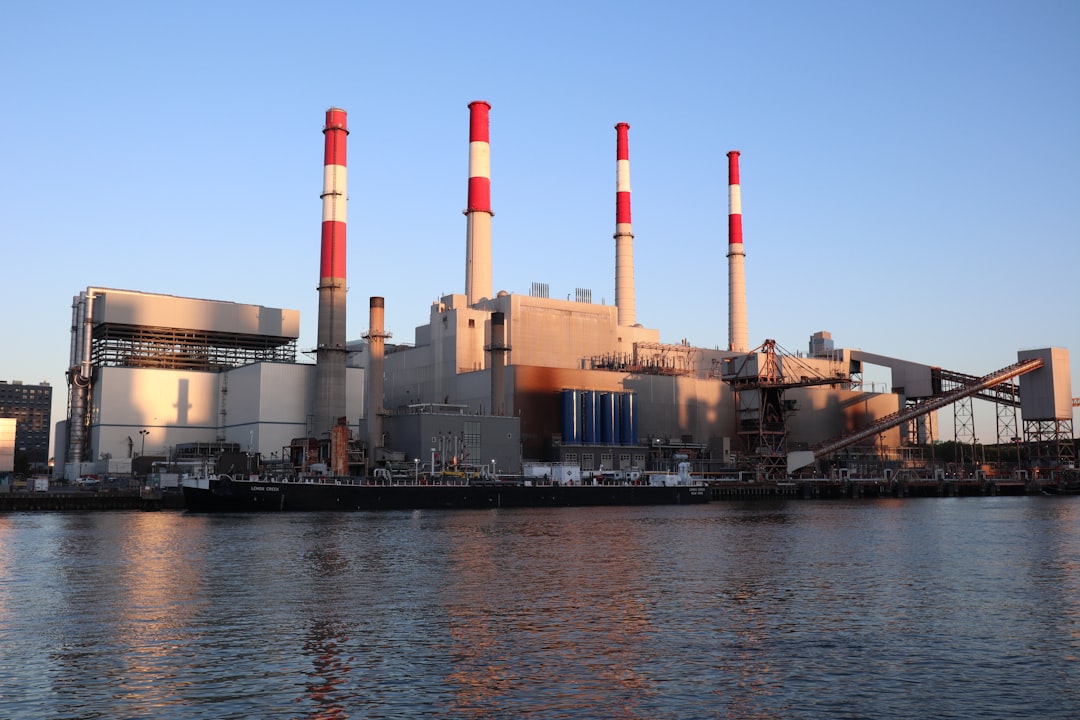
The halt of the JSW battery plant in Odisha raises concerns about the job market in the battery manufacturing sector. As the company navigates this complex situation, job openings may decrease, especially for fresh graduates and entry-level engineers hoping to join this promising project. Career Ahead’s analysis suggests that the job market for battery technology engineers could contract as companies reassess their hiring strategies due to JSW’s situation. With uncertainty around LFP technology, firms may delay hiring until they better understand market dynamics and technological advancements.
Additionally, the pause on the Odisha plant may slow down related sectors, such as electric vehicle manufacturing and renewable energy initiatives. This could create a ripple effect, impacting job availability across various roles, from engineering to supply chain management. However, this situation also offers an opportunity for professionals to upskill and prepare for future developments. As the industry evolves, new roles may emerge that require different skill sets, particularly in alternative battery technologies or innovative manufacturing processes.
However, this situation also offers an opportunity for professionals to upskill and prepare for future developments.
In summary, the current halt of the JSW battery plant highlights the fragility of India’s battery manufacturing landscape. As engineers and supply chain managers face these challenges, they must remain adaptable and forward-thinking to seize upcoming opportunities. As the search for a technology partner continues, the future of battery manufacturing in India hangs in the balance. Will JSW secure the necessary technology to move forward, or will this delay hinder the country’s ambitions in the electric vehicle sector?
Frequently Asked Questions
What are the implications of JSW’s battery plant delay for battery technology engineers?
The delay in JSW’s battery plant affects project timelines for engineers. They may need to shift focus to alternative technologies or projects, leading to extended timelines and potential changes in job roles.
How should supply chain managers adjust their strategies following JSW’s decision?
Supply chain managers need to reassess their sourcing strategies. They should consider diversifying suppliers and exploring local alternatives to reduce risks linked to reliance on foreign technology.

What are the key challenges in LFP technology that engineers should be aware of?
Engineers should be aware of the limited availability of LFP technology outside China. They also face challenges in securing technology partnerships that can drive innovation in battery manufacturing.
Written by Career Ahead AI. AI can make mistakes, so verify key facts. Report errors to support@careeraheadonline.com.