Washington, D.C. — A federal judge has proposed new restrictions on the deportation of student activists, a move that could significantly impact the rights of noncitizen scholars in the United States. This proposal arises amid ongoing legal battles over the First Amendment rights of these individuals, who have often faced the threat of deportation for their activism. The judge’s suggestion comes at a critical time as universities and advocacy groups push for greater protections for students engaged in political expression.
The proposed changes would extend protections to members of two academic groups involved in a lawsuit challenging the deportation of student activists. This case highlights the intersection of immigration law and academic freedom, raising important questions about the rights of noncitizen students. Many of these individuals have contributed significantly to academic discourse and research, making their potential deportations a matter of public concern.
As the legal landscape continues to evolve, the implications of this proposal extend beyond the courtroom. It reflects a growing recognition of the role that student activists play in shaping public policy and discourse. The potential for increased protections may encourage more students to engage in activism without fear of reprisal. This could lead to a more vibrant academic environment, where diverse perspectives are valued and encouraged.
Why This Proposal Matters for Student Activists
The proposed restrictions on deportation are particularly significant for student activists who often operate in politically charged environments. Many of these students come from marginalized backgrounds and engage in activism to advocate for social justice, environmental issues, and human rights. The fear of deportation has historically silenced many voices within academic institutions, limiting the scope of discourse and activism.
According to the American Association of University Professors, the presence of noncitizen students enriches the academic community. They contribute unique perspectives and experiences that enhance learning for all students. By proposing restrictions on deportation, the judge acknowledges the value of these contributions and the importance of protecting the rights of those who engage in activism.
They contribute unique perspectives and experiences that enhance learning for all students.
Moreover, the timing of this proposal is crucial. As political tensions rise and immigration policies become more stringent, many student activists find themselves in precarious situations. The proposed changes could serve as a buffer against aggressive deportation practices, offering a sense of security to those who wish to express their views and advocate for change.
 Education & University Insights
Jamia Orders Student Union Polls Within 15 Days of Constitution Approval
The order also revoked student suspensions and show-cause notices and provided for an inquiry into security staff conduct.
Read More →This proposal could also set a precedent for future legal cases involving student activists. If implemented, it might encourage other judges to consider the implications of deportation on academic freedom and political expression. This could lead to a broader reassessment of how immigration laws intersect with First Amendment rights.
Career Implications for Noncitizen Scholars
The potential changes in deportation policy could have significant career implications for noncitizen scholars and students. Many of these individuals are pursuing advanced degrees and conducting research that contributes to their fields. The fear of deportation can hinder their academic progress and limit opportunities for professional development.
For those considering careers in academia, the proposed protections may provide a more stable environment to pursue their goals. This could lead to increased enrollment of noncitizen students in graduate programs, as the fear of deportation diminishes. Furthermore, universities may become more competitive in attracting diverse talent, recognizing the unique contributions these students can make.
Noncitizen students should continue to seek resources and support from advocacy groups and legal experts to navigate these challenges effectively.
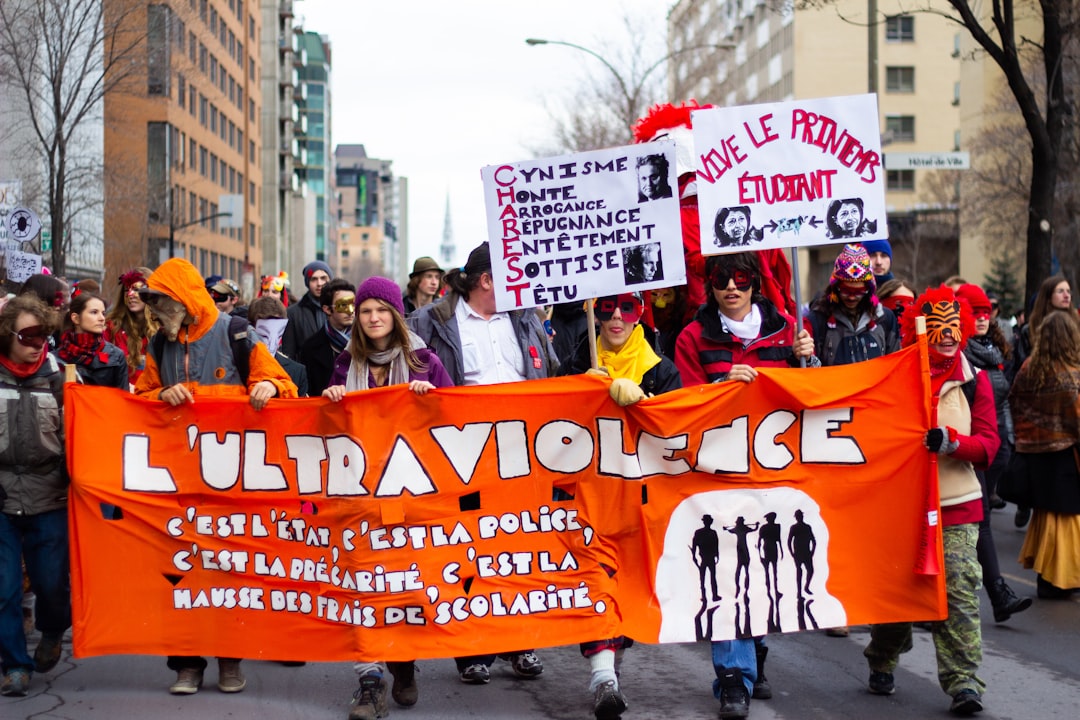
In addition, the proposed changes may influence hiring practices within academic institutions. Universities might prioritize candidates who demonstrate a commitment to diversity and inclusion, recognizing the importance of creating an environment where all voices are heard. This shift could benefit not only noncitizen scholars but also the broader academic community.
 Education & University Insights
How to Weigh Study Abroad’s Personal Value Against Its Cost
Separate personal motivations from institution-level payments before treating study abroad as a simple cost-versus-career calculation.
Read More →However, it’s essential to remain cautious about the implementation of these proposed changes. While they represent a positive step forward, the legal landscape surrounding immigration and education is complex and often unpredictable. Noncitizen students should continue to seek resources and support from advocacy groups and legal experts to navigate these challenges effectively.
- Stay informed: Follow updates on immigration policies and legal cases that may affect your status.
- Engage with advocacy groups: Connect with organizations that support noncitizen students and provide resources for navigating legal challenges.
- Network with peers: Build connections with other students and professionals in your field to share experiences and strategies for success.
However, some experts caution that while the proposed changes are encouraging, they may not be sufficient to address the systemic issues faced by noncitizen students. According to immigration attorney Maria Gonzalez, “The reality is that many students still face significant barriers to accessing education and resources. Even with these protections, the underlying challenges of immigration law remain complex and often daunting for individuals seeking to navigate them.”
Future of Activism and Academic Freedom
The landscape of activism and academic freedom is poised for change as the proposed restrictions on deportation are considered. If implemented, these changes could foster a more inclusive environment for student activists, encouraging them to engage in political discourse without fear of deportation.
As universities adapt to this evolving legal framework, they may need to reassess their policies and support systems for noncitizen students. This could lead to the development of new programs aimed at promoting academic freedom and protecting the rights of all students.
As universities adapt to this evolving legal framework, they may need to reassess their policies and support systems for noncitizen students.
Ultimately, the future of student activism in the United States hinges on the outcome of this proposal. Will it pave the way for a new era of academic freedom, or will it merely serve as a temporary measure? As discussions continue, one question remains: How can universities and policymakers work together to create a sustainable environment that supports and protects student activists?
Written by Career Ahead AI. AI can make mistakes, so verify key facts. Report errors to support@careeraheadonline.com.