No products in the cart.

JWST’s Water Vapor Finds Rewrite the Exoplanet Playbook
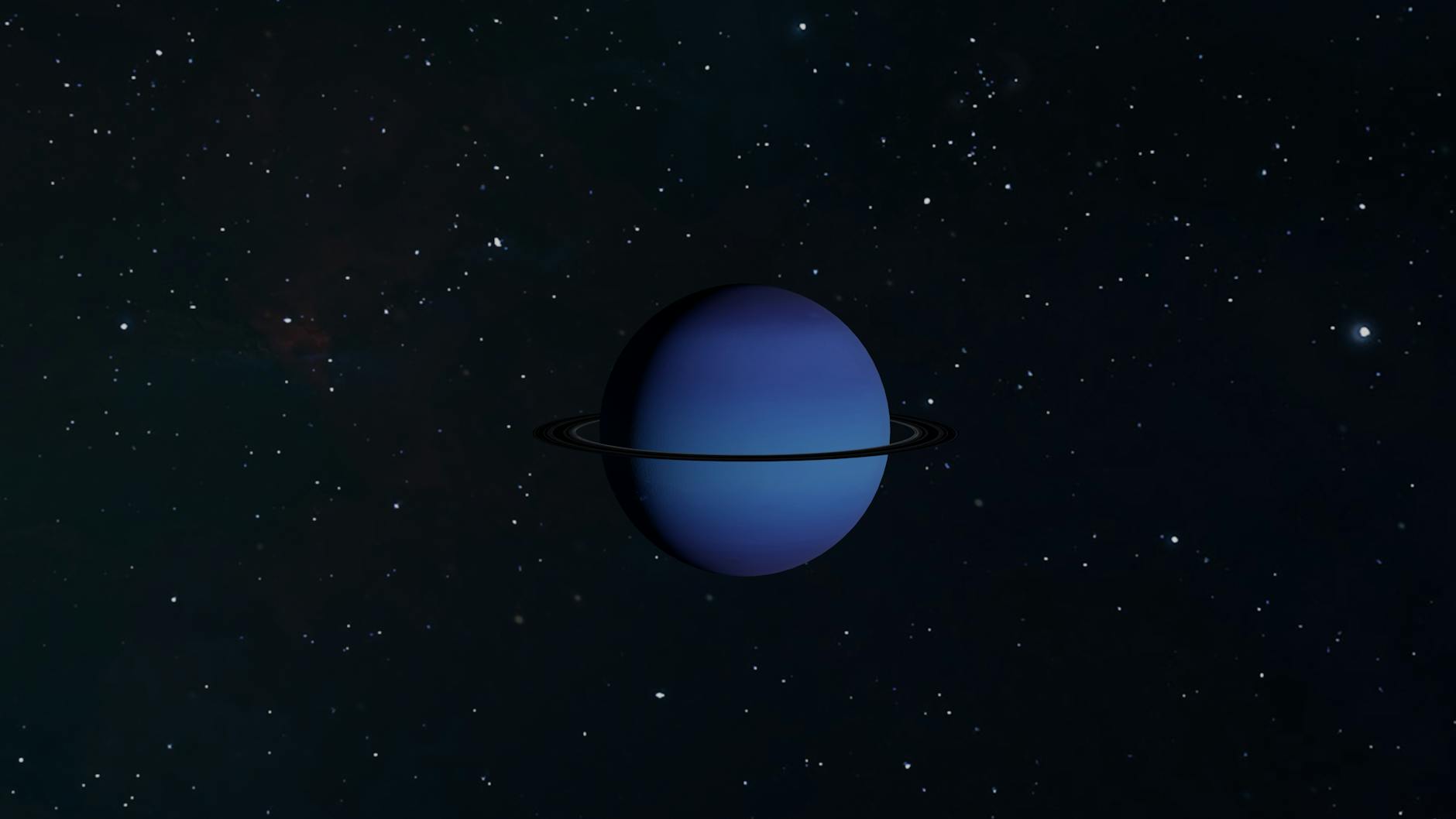
JWST has shown that water vapor is common in alien skies, but the signal brings fresh doubts about habitability and the next steps for the field. Water Vapor…

JWST has shown that water vapor is common in alien skies, but the signal brings fresh doubts about habitability and the next steps for the field.
Water Vapor in Exoplanet Atmospheres
When JWST observed the “sub-Neptune” K2-18b in early 2024, its spectrograph detected a clear water-vapor fingerprint in the planet’s atmosphere. Later, it revealed a faint but distinct water signal on the TRAPPIST-1 d world, a planet once considered an Earth twin. These detections surprised scientists, who expected water to be scarce on such hot, low-mass planets.
The presence of water vapor is a key clue that a planet can hold liquid water on its surface. However, spotting vapor does not necessarily prove a temperate world. Clouds can hide a scorching surface, and photochemistry can create water without any oceans.
The Exoplanet Atmosphere Context
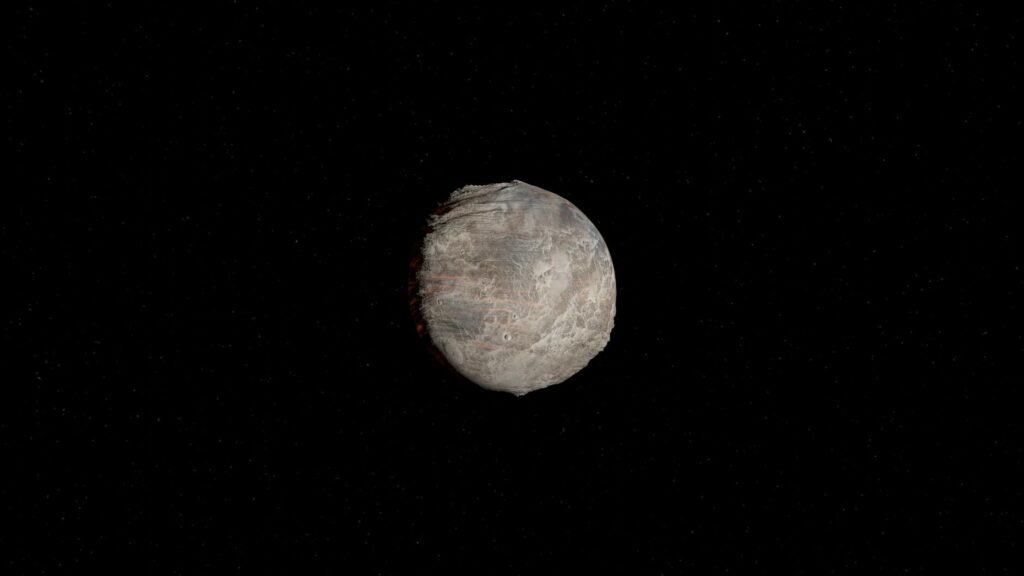
JWST’s Near-Infrared Spectrograph (NIRSpec) and Mid-Infrared Instrument (MIRI) have been used to study a variety of worlds. In the TRAPPIST-1 system, researchers measured methane, carbon dioxide, and water vapor, painting a picture of chemically diverse atmospheres. On K2-18b, the telescope detected water alongside hydrogen-rich gases, suggesting a thick envelope that may sit atop a deep ocean.
The presence of water vapor is a key clue that a planet can hold liquid water on its surface.
These findings come from JWST’s ability to split starlight into fine wavelength bands while a planet transits its star. The technique isolates the thin ring of light that has passed through the planet’s limb, revealing the gases that absorb specific colors. JWST’s larger mirror and cooler optics let it capture weaker signals than any previous mission.
Implications for the Search for Life
Water vapor in an exoplanet’s sky fuels optimism that life-friendly conditions may be common. If a planet can retain water in its atmosphere, it may also host liquid reservoirs on its surface or beneath an ice shell. Astrobiologists see JWST’s detections as proof that the ingredients for life are not rare.
However, the same signals also trigger caution. Water vapor can arise from volcanic outgassing or photodissociation of hydrogen-rich gases, processes that do not require biology. Critics warn that early claims of habitability could be overstated if researchers ignore these false-positive pathways.
Scientific Response and Investigation
In response, teams worldwide have launched intensive modeling campaigns. Using high-resolution spectroscopy, they map how water molecules absorb light at different temperatures and pressures. These models feed into retrieval algorithms that estimate the vertical distribution of vapor and the presence of clouds.
Laboratories are also recreating exotic atmospheres in pressure chambers to test how water interacts with hydrogen-rich gases under stellar radiation. The experiments help calibrate JWST data, reducing uncertainties that have plagued earlier telescopic studies.
You may also like
 Career Advice
Navigating Age Discrimination in the Workplace
Age discrimination is a real barrier for many professionals. This article explores effective strategies to navigate it.
Read More →Future Outlook and Exploration
JWST’s early results set a high bar for the next generation of telescopes. The European Extremely Large Telescope (ELT) plans to use ground-based high-contrast imaging to resolve water bands on nearby super-Earths within the next decade. Meanwhile, NASA’s upcoming Habitable Worlds Observatory will target Earth-size planets in the habitable zones of Sun-like stars, seeking the same water signatures but with finer spatial resolution.
However, the same signals also trigger caution.
The current wave of discoveries also informs mission design. Engineers are tweaking instrument filters to avoid spectral regions where stellar activity mimics water features. Policy makers at NASA and the European Space Agency are allocating more funding to exoplanet spectroscopy, recognizing its role in the broader search for life.
“`json
{
“excerpt”: “JWST’s detection of water vapor on diverse exoplanets shows the gas is more common than expected, but interpreting the signal for habitability remains fraught with uncertainty.”,
“image_keywords”: [“JWST”, “exoplanet atmosphere”, “water vapor”, “spectroscopy”]
}