No products in the cart.

AI Data Centers: The New Gold Rush for Land and Power
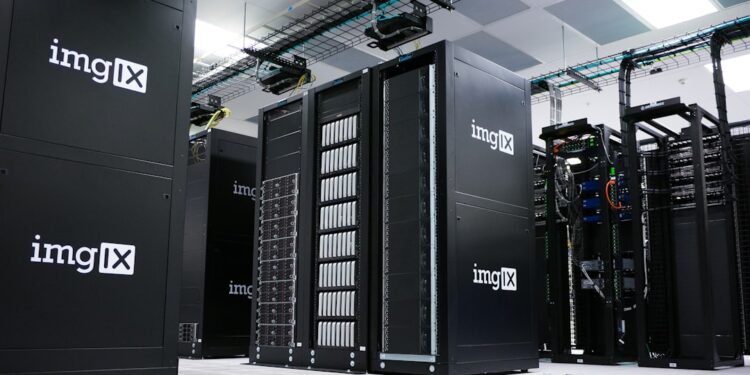
The demand for AI data centers is driving a modern gold rush, with firms racing for land and energy. Discover the implications for local economies and global markets.


“`html
The new gold rush: AI Data Centers and Land Acquisition
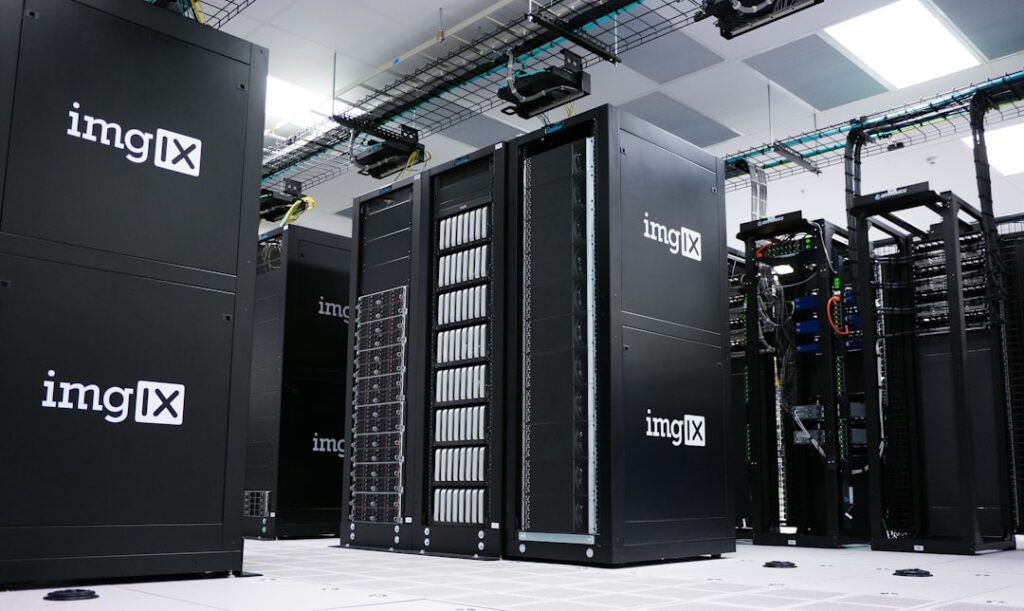
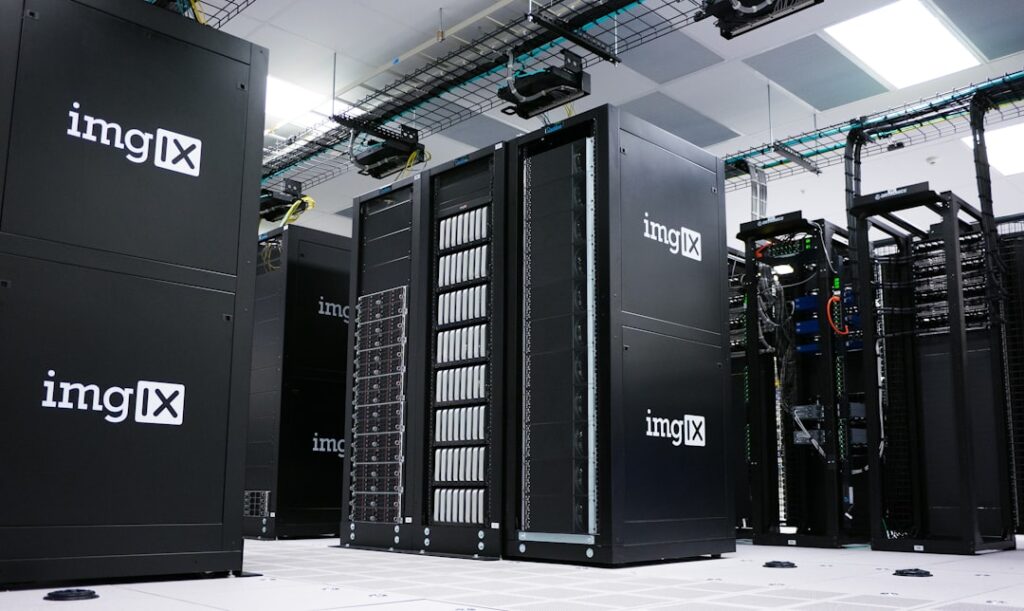
When we think of a “gold rush,” we often picture prospectors searching for precious metals. Today, a new kind of prospector—multinational cloud providers, regional telecoms, and start-ups—are racing to acquire land for AI data centers. The surge in demand for AI workloads requires significantly more computing power than traditional cloud services. Recently, Tata Consultancy Services announced it is in “advanced talks” to build new AI-focused data centers in India. This news sent shockwaves through the real estate market, prompting developers to seek sites near reliable power sources and low-latency fiber routes.
Similar activity is occurring in the U.S. and the Middle East. Marvell Technology, a semiconductor supplier, raised its sales forecast due to strong AI demand. This increase in stock price reflects investor confidence in the future value of land and infrastructure for the next generation of chips. However, rising demand has driven up land prices in key areas, known as “data-center belts,” from the U.S. Sun Belt to Mumbai and Bangalore. This surge has made it harder for smaller players to compete and intensified rivalry among industry giants.
Governments are stepping in with incentives like tax breaks and faster permitting processes. Some regions have designated “AI zones” with ready utilities and streamlined zoning. While these policies speed up deployment, they also raise concerns about land use equity. In India, farmers report pressure to sell ancestral land, while rural U.S. communities worry that new industrial developments could strain water supplies and change local character. The clash between quick economic gains and community preservation is a key issue in the AI data center boom.
Power Play: The Energy Demands of AI Infrastructure
AI models require a lot of energy. Training a large language model can use as much electricity as a small town for weeks. Analysts predict that AI data centers could consume up to 50% of global electricity by 2030. This projection highlights a critical issue: current power grids were not designed for a sector that doubles its energy needs every few years.
This projection highlights a critical issue: current power grids were not designed for a sector that doubles its energy needs every few years.
You may also like
 Industry & Global Trends
Mergers Reshape Automation Careers at Schneider Electric
Schneider Electric's aggressive investments in automation are reshaping the industry landscape in Europe. This shift is set to create significant job opportunities for automation engineers…
Read More →Renewable energy is a key solution. Cloud providers are signing contracts for solar farms in Texas, wind farms in the North Sea, and floating solar arrays in India. These agreements aim to offset a significant portion of data center energy use and reduce carbon emissions. However, the variable nature of wind and solar energy poses reliability challenges. AI workloads, especially those requiring real-time processing, cannot handle delays caused by sudden drops in renewable energy output. Consequently, many operators are combining renewables with on-site battery storage or natural gas plants, creating hybrid systems that balance green goals with reliability.
Energy-efficient technologies also play a role. Advanced cooling methods, like liquid immersion and AI-driven airflow optimization, can reduce a facility’s power usage effectiveness (PUE) by up to 30%. However, the cost of these upgrades is high. Smaller regional players often cannot afford deep efficiency improvements, leading to a two-tiered market: a few ultra-efficient mega-campuses powered mostly by renewables and many smaller sites relying on conventional grid power, perpetuating carbon concerns.
Economic Ripple Effects: From Local Communities to Global Markets
The construction of AI data centers injects billions into local economies. Site preparation and installation create a demand for skilled tradespeople, civil engineers, and logistics firms. In areas where a data center becomes a key project, related businesses—like catering and security services—thrive, boosting local tax revenues.
AI data centers could also significantly impact national GDP. Analysts predict that AI-driven infrastructure could contribute up to 10% of global GDP by 2030. The benefits extend beyond the data center, as faster AI processing enhances productivity in sectors like pharmaceuticals and finance.
However, these benefits are not evenly distributed. Countries with cheap, reliable power and favorable land policies attract the most investment, while those with stricter regulations or higher land costs may be left behind. This concentration of activity raises concerns about increasing inequality, both within nations—where urban areas benefit while rural regions lag—and between countries, as emerging economies strive to meet the energy and land needs of AI infrastructure.
You may also like
 Industry & Global Trends
Sensex Surges 473 Points as Softer US Jobs Data Boosts Indian Market
The Indian stock market experienced a notable boost as the Sensex surged by 473 points and the Nifty gained 134 points, driven by softer-than-expected US…
Read More →Supporting Workers in Transition
The rapid growth of AI data centers is reshaping the job market in two ways. The sector needs new workers, such as data center technicians, software engineers focused on energy efficiency, and sustainability officers. At the same time, automation in data centers—like robotic cable management—threatens to displace jobs that once required human oversight.
In areas where a data center becomes a key project, related businesses—like catering and security services—thrive, boosting local tax revenues.
Governments and companies are launching upskilling initiatives. In India, the Ministry of Electronics and Information Technology has introduced certification programs for data center operations and renewable energy integration, targeting both new graduates and mid-career professionals. Similarly, major companies are offering training programs that combine mentorship with online learning to build a skilled workforce.
However, the pace of change poses challenges. The gap between curriculum development and new facility deployment can leave workers struggling to keep up. Additionally, the cost of ongoing education may deter lower-income individuals from obtaining necessary certifications, widening existing skill gaps.
Addressing this issue requires coordinated policy efforts: subsidies for employer-sponsored training, public-private partnerships to align education with industry needs, and portable credentialing systems to help workers transfer skills
You may also like
 Industry & Global Trends
Etched fields funding offers at $40B+ valuation, sources say
Etched Fields is in talks for funding offers valuing the company at over $40 billion, reflecting a significant shift in the funding landscape for AI…
Read More →