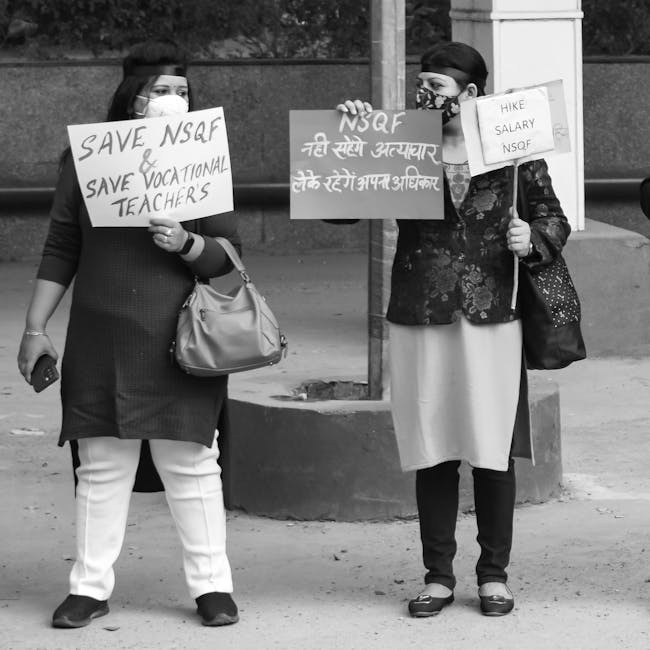
Karachi, Pakistan — Teachers at the University of Karachi (KU) are continuing their protest against delayed allowances, significantly disrupting exams for over 40,000 students. The ongoing boycott has left many students in limbo as the university grapples with a severe financial crisis. The Karachi University Teachers’ Society (KUTS) is adamant that their demands for overdue financial support must be met before they will resume normal academic activities.
The protest comes as the university’s administration struggles to address the financial issues plaguing the institution. According to reports, the teachers are primarily protesting delays in house rent ceiling allowances and other financial demands that have remained unmet for an extended period. The situation has escalated to the point where the academic schedule is severely affected, creating uncertainty for students and faculty alike.
Teachers’ Demands Amid Financial Strain
Teachers at Karachi University are demanding urgent action from the administration. They are specifically highlighting the need for the implementation of the house rent ceiling allowance, which was increased by 85% for federal employees in late 2025. However, this increase has not yet been extended to university staff, leading to growing frustration among educators. The teachers argue that such delays in payment are unacceptable, especially as they impact their livelihoods.
The financial crisis at Karachi University is not an isolated incident but rather a reflection of broader issues within Pakistan’s public education system. Reports indicate that many public universities in the country are facing similar financial difficulties, which hinder their ability to provide quality education. The lack of funding has resulted in a precarious situation for faculty members, who are now forced to take drastic measures to advocate for their rights.
As the protest continues, the university’s administration has acknowledged the financial strain but claims that they cannot meet the teachers’ demands without additional funding from the provincial government. Vice Chancellor Prof. Dr. Khalid Mahmood Iraqi has reached out to the Sindh chief secretary, requesting a bailout package to alleviate the financial burden. This plea underscores the urgent need for government intervention to stabilize the situation.
Many students are unable to take their semester examinations, which could delay their graduation and future career prospects.
Impact on Students and Academic Progress
The ongoing protests have left over 40,000 students facing significant disruptions to their academic schedules. Many students are unable to take their semester examinations, which could delay their graduation and future career prospects. This situation creates a ripple effect that impacts not only the students but also the university’s reputation as a leading educational institution in Pakistan.
 Education & University Insights
Education Leaders Stress Early University Succession
The conclave brought institutional and technology leaders together to examine university transitions and long-term vision.
Read More →Students have expressed their frustration, feeling caught in the middle of a conflict between faculty and administration. They rely on their education to secure jobs and build their futures, but the current crisis threatens to derail their plans. The uncertainty surrounding examination schedules adds to the stress and anxiety many students are experiencing.
Furthermore, the disruption of examinations may lead to a backlog of courses, forcing students to extend their time at the university. This situation could result in increased financial strain for students who may already be struggling to afford tuition fees and living expenses. The longer the protests continue, the more detrimental the impact on students’ academic journeys.

Government’s Role in Resolving the Crisis
The Sindh government’s response to the crisis at Karachi University is crucial. The provincial government has the power to provide the necessary funding to resolve the issues faced by the university and its faculty. However, the delay in addressing these financial concerns raises questions about the government’s commitment to supporting public education in the region.
According to Tribune India, the teachers’ representatives have made it clear that without immediate action from the government, the protests will continue. The teachers are not only advocating for their rights but also for the future of education in Pakistan. They believe that adequate funding is essential for maintaining the quality and accessibility of education in public universities.
The situation at Karachi University serves as a wake-up call for policymakers. It highlights the urgent need for a comprehensive review of funding for public universities. Without a strategic plan to address the financial challenges, the education system in Pakistan may face further deterioration, impacting generations of students.
The teachers are not only advocating for their rights but also for the future of education in Pakistan.

Broader Implications for Higher Education in Pakistan
 Education & University Insights
Goa Conclave Calls for New University Models, AI and Research
The first day of the ETEducation Chancellors’ Conclave 2026 ended in Goa with calls to rethink university teaching, employability, research and AI.
Read More →The protests at Karachi University reflect a larger trend of unrest in Pakistan’s higher education sector. As public universities struggle with financial constraints, faculty members are increasingly resorting to protests to voice their grievances. This trend indicates a growing dissatisfaction with the government’s handling of educational funding and support.
Moreover, the ongoing crisis at Karachi University could lead to a decline in enrollment as prospective students may seek alternatives in private institutions or abroad. The perception of instability in public universities may deter students from pursuing higher education in Pakistan, further exacerbating the challenges faced by the educational system.
As reported by Edex Live, the situation underscores the need for urgent reforms in the funding model for public universities. A more sustainable approach to financing higher education is essential to ensure that institutions can meet the needs of both faculty and students. Without such reforms, the cycle of protests and disruptions is likely to continue.
Significance of the Ongoing Situation
The ongoing situation at Karachi University highlights the fragility of public education systems. It serves as a reminder of the importance of stable funding for educational institutions and the direct impact this has on students’ futures. As the crisis unfolds, it is crucial to stay informed about how these developments may affect educational opportunities and career prospects.
As the crisis unfolds, it is crucial to stay informed about how these developments may affect educational opportunities and career prospects.
As the protests at Karachi University continue, the future of education in the region hangs in the balance. Will the government respond with the necessary funding to resolve the crisis, or will the situation escalate further? The coming weeks will be critical in determining the fate of both the teachers and students caught in this turmoil.
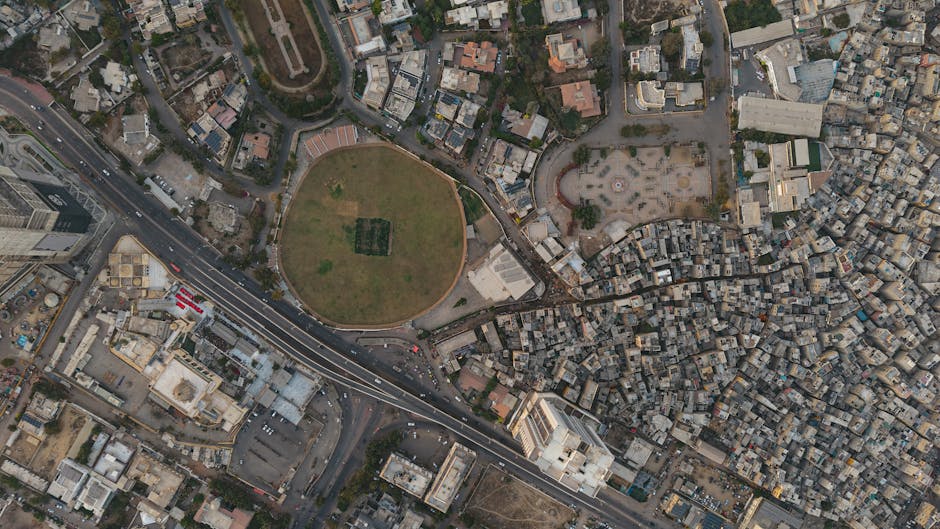
The outcome of this situation may set a precedent for how public universities are funded and supported in Pakistan. The need for reform has never been more urgent, and the actions taken now could have lasting implications for the educational landscape in the country.
 Education & University Insights
Assam Sets Exams for over Five Thousand Seven Hundred Posts
The six departments include Assam Police, Forest Department, Home Guards, APRO, Fire and Emergency Services, and Prisons.
Read More →Written by Career Ahead AI. AI can make mistakes, so verify key facts. Report errors to support@careeraheadonline.com.