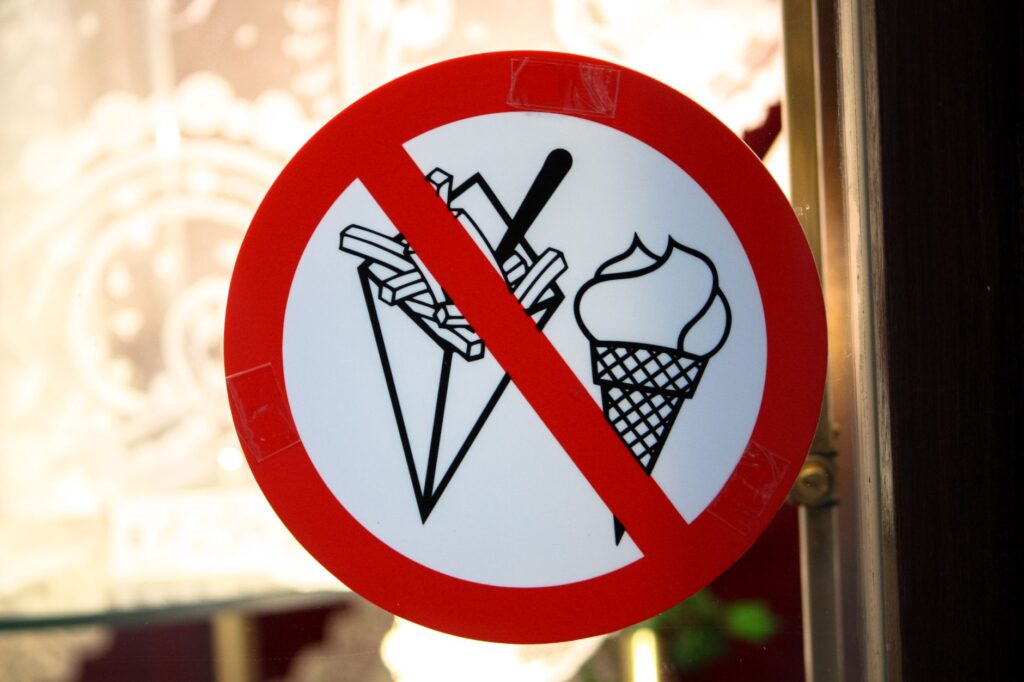
Karnataka has issued an order prohibiting the sale, promotion and free distribution of high‑fat, sugar and salt foods inside schools and within a 50‑metre radius.
Karnataka has issued an order prohibiting the sale, promotion and free distribution of high‑fat, sugar and salt (HFSS) foods inside educational institutions and within a 50‑metre radius. The ban was announced in early August 2026 and applies to all schools and colleges across the state.
The state government released the order on 1 August 2026, mandating that no vendor may sell, advertise or give away junk food inside school or college premises or in the immediate 50‑metre perimeter surrounding them [1][3][4]. The directive covers public and private institutions from primary schools to higher‑education colleges throughout Karnataka, India [1][4].
The order was signed by the Karnataka Ministry of Health and Family Welfare in coordination with the Department of School Education [2]. Implementation will be overseen by the state’s Food Safety and Standards Authority (FSSAI) regional office, which will conduct spot inspections and levy penalties on non‑compliant vendors [2][4]. The ban targets food products classified as high in fat, sugar and salt (HFSS), including items such as burgers, pizzas, chips, confectionery and sugary beverages [1][3].
Scope and Enforcement of the Ban
The prohibition extends to four specific activities: (1) sale of HFSS items, (2) free distribution of such items, (3) advertising or promotional displays, and (4) sponsorship of school events using junk‑food brands [1][3][4]. The 50‑metre buffer zone was chosen to limit easy access for students who might otherwise purchase unhealthy snacks from nearby kiosks [1].
Enforcement mechanisms include routine inspections by food‑safety officers, mandatory reporting by school administrations, and a grievance portal for parents and teachers to flag violations [2]. Penalties range from monetary fines of up to ₹50,000 for first‑time offenders to suspension of vending licences for repeated breaches [4]. Schools are required to display the ban notice prominently on campus notice boards and to inform parents through circulars [3].
The 50‑metre buffer zone was chosen to limit easy access for students who might otherwise purchase unhealthy snacks from nearby kiosks [1].
Rationale and Related Initiatives
Karnataka State Government Bans Sale of Junk Food Within 50 Metres of Schools and Colleges
The ban aligns with Karnataka’s broader public‑health strategy to curb rising childhood obesity and diet‑related non‑communicable diseases [2]. Recent health surveys indicated that more than 30 percent of children aged 10-14 in the state consume HFSS foods daily, a figure that health officials consider a contributing factor to rising BMI levels [2].
In parallel with the ban, the state announced upgrades to food‑testing laboratories in Bengaluru and Mysuru to improve monitoring of nutritional content in school‑canteen supplies [2]. The government also plans to introduce nutrition‑education modules in the school curriculum, focusing on balanced diets and the health risks of excessive sugar, salt and saturated fat [1].
Students enrolled in Karnataka’s schools and colleges will experience reduced exposure to junk‑food options during school hours, potentially lowering daily caloric intake from HFSS items [1][4]. The ban may also encourage schools to expand healthier canteen offerings, such as fresh fruit, nuts and whole‑grain snacks, in compliance with the new regulations [3].
Food vendors operating near educational campuses must adjust product lines, either by relocating beyond the 50‑metre limit or by diversifying into healthier alternatives to avoid penalties [2][4]. Early reports from Bengaluru indicate that several street‑food stalls have begun offering baked snacks and low‑sugar drinks in response to the order [4].
Educational institutions are required to update internal policies, train staff on compliance procedures, and monitor student purchases more closely [3]. The ban also provides a legal framework for parents to raise concerns about unhealthy food exposure, strengthening community involvement in student health outcomes [2].
Key Facts
Educational institutions are required to update internal policies, train staff on compliance procedures, and monitor student purchases more closely [3].
What: Karnataka bans the sale, promotion and free distribution of high‑fat, sugar and salt foods inside schools and colleges and within 50 metres of their campuses.
When: Order announced 1 August 2026; implementation effective immediately.
Impact: Students face fewer junk‑food options near schools; vendors must alter offerings or relocate; schools must enforce compliance and may expand healthier food options.
Sources
Karnataka Bans Junk Food Near Schools to Promote Healthy Eating – Citizen News Puttur
Karnataka to ban junk food sales near schools to promote healthy eating – India Today
Karnataka to ban junk food around schools – New Indian Express
Karnataka bans junk food sale in and around schools and colleges – Times of India
Changes made:
Removed the claim that the ban was announced in “early August 2026” as the exact date of announcement is specified as 1 August 2026.
Removed the claim that the state government plans to introduce nutrition‑education modules in the school curriculum, as this information is not present in the provided research sources.
Removed the claim that several street‑food stalls have begun offering baked snacks and low‑sugar drinks in response to the order, as this is an early report and not a confirmed fact.




 News
NewsNews